Prevention and treatment methods for acute death of chickens caused by heat exhaustion in high summer temperatures
Heat exhaustion is a common disease of chickens in summer, causing acute death. According to research, the optimum temperature for chickens is 20-25°C. If the temperature is too high, it affects the production performance of chickens and may even cause death. In hot summer, when the temperature exceeds 32°C, chickens will have a series of adverse physiological and mental reactions, and chickens are prone to heatstroke. When the temperature exceeds 36°C, chickens can suffer heatstroke, and when it exceeds 40°C, they die in large numbers.
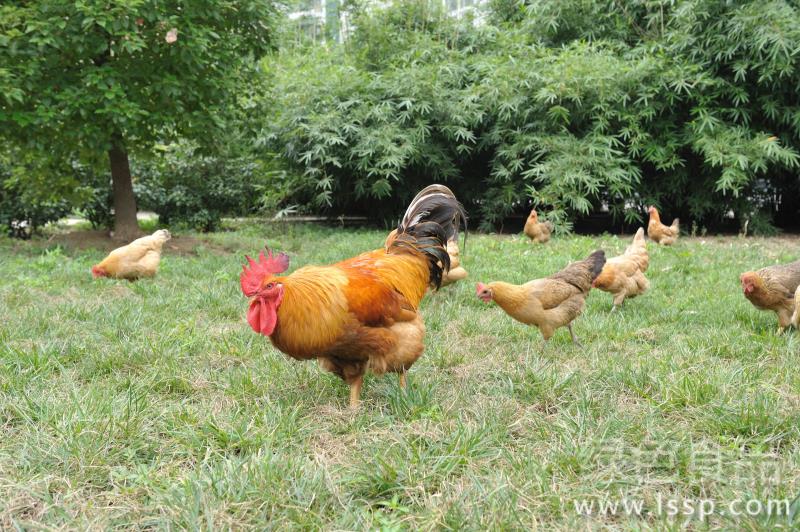
Chickens
Clinical symptoms:
Chickens breathe rapidly, breathe with their mouths open, and have difficulty breathing and wheezing, making gurgling sounds; the wings are spread out and drooping, and the feathers are ruffled; feed intake drops severely, and some chickens refuse to eat; water intake increases significantly, and the crop is full of liquid; the chickens are listless and less active, and some lie at the bottom of the cage; the comb and face, due to congestion, first turn bright red and then cyanotic, and some are pale; the body temperature of the chickens reaches above 45°C; they walk unsteadily, cannot stand, and die from collapse and convulsions. In laying hens, the laying rate decreases, eggs become smaller, the eggshells become thinner and more brittle, the surface is rough, and soft-shelled eggs and broken eggs increase. Dead chickens are well nourished, somewhat fat or overweight.
Prevention and control measures:
By analyzing the internal and external factors of heatstroke in the flock, it can be seen that cooling is the key to preventing heatstroke in the flock. At the same time, the level of feeding management in the chicken house needs to be improved to strengthen the chickens' constitution and improve their heat tolerance and adaptability.
Scientific design of the chicken house:
Cover the chicken house with 10-15cm of rice straw or wheat straw sprinkled with cool water, keeping it moist, or set up a black shade net to block radiant heat from entering the chicken house. On the roof of the chicken house, install a white foam plastic ceiling about 2cm thick to block hot air and reduce the temperature of the chicken house by about 2°C. To prevent direct sunlight from shining into the chicken house, a sunshade can be set up, or grass can be planted and trees can be planted to block the sunlight.
Artificial cooling:
Cool down through measures such as spraying water and ventilation. Every day after noon, use a high-pressure sprayer to spray cool water, which can reduce the temperature of the chicken house by 4-7°C. Depending on the condition of the chicken house, spray once every 24 hours. If conditions permit on the chicken farm, install nozzles on the roof and spray water on the roof. Cool water can also be splashed on the floor of the chicken house to increase evaporative heat loss, but doors and windows must be opened to increase ventilation. The front and rear windows of the chicken house can also be opened to allow air convection, and fans can be installed to increase air flow and lower the temperature.