The Historical Uses and Methods of Use of Lavender Essential Oil
Historical Uses of Lavender Essential Oil
Historical use records: used for pest control and cleaning wounds. During the world wars, when antibiotics were scarce, it was used as a substitute to fight inflammation and relieve bloating. The Romans often used lavender incense to clear bacteria from the air.
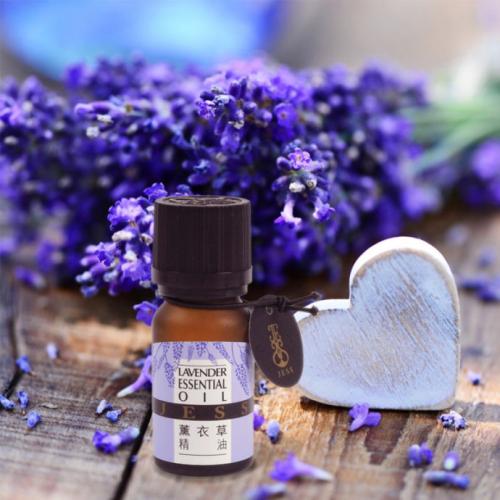
How to Use Lavender Essential Oil
[Direct Use]
Dip a cotton swab into a small amount of lavender essential oil and apply it spot-wise to areas with severe acne and acne scars.
[Blended Use]
Method 1: Add 1 drop of lavender essential oil to 10 g of face cream/lotion/toner and mix well, then apply an appropriate amount to the face every evening.
Method 2: Mix 1 drop of lavender essential oil into a face mask, leave on for 15 minutes. It can improve acne-prone skin, prevent acne from recurring, and fade acne scars.
[Facial Massage]
Method 1: Dilute and mix 5 drops of lavender essential oil + 10 CC of carrier oil, then massage the face for 15 minutes. It can effectively promote cell regeneration, regenerate damaged tissue, balance oil, improve acne and pimples, and fade freckles.
Method 2: Dilute and mix 1 drop of lavender essential oil + 1 drop of peppermint essential oil + 5 CC of carrier oil, then massage the temples and forehead to relieve headaches.
[Body Massage]
Method 1: Dilute and mix 6 drops of lavender essential oil + 4 drops of rosemary essential oil + 10 CC of carrier oil, then massage to relieve muscle soreness.
Method 2: Dilute and mix 2 drops of lavender essential oil + 2 drops of tea tree essential oil + 15 CC of carrier oil, then massage to improve rheumatoid arthritis.
[Aromatherapy]
Method 1: Put 2 drops of lavender essential oil beside the pillow, or diffuse 4 drops of lavender essential oil, to treat insomnia.
Method 2: Put 2-3 drops of lavender essential oil into an aroma lamp and heat it slowly to soothe stress and relax the mood