-
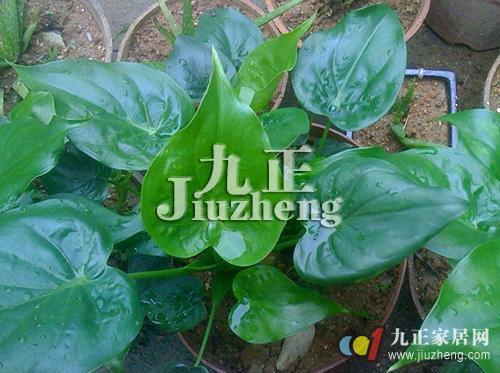
How to care for Alocasia macrorrhizos? Detailed methods and tips
The scientific name of "Dripping Guanyin" is Alocasia macrorrhizos (giant taro). It is native to the tropical rainforests of South Africa. If it is grown in a humid and warm environment, water droplets will drip from the leaf edges, which is why it is called "Dripping Guanyin". When growing Alocasia macrorrhizos, pay attention to the following aspects: (1) Temperature. Alocasia macrorrhizos can only grow well in an environment not lower than 18°C
-
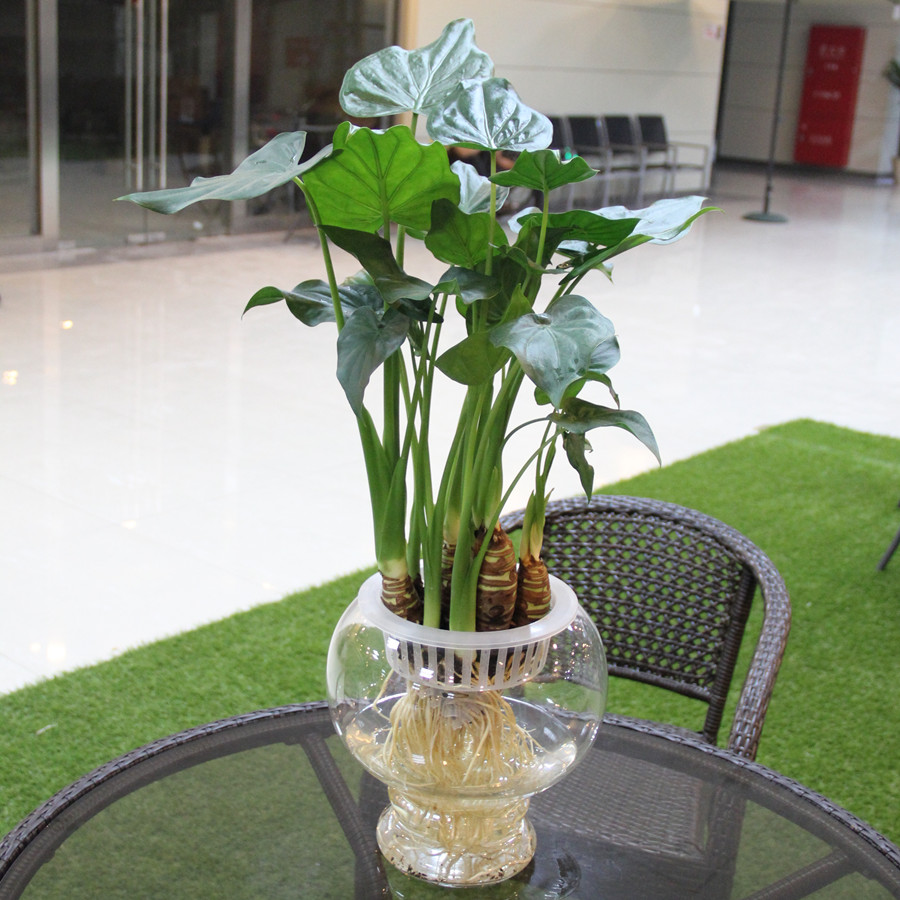
A Detailed Guide to Growing Alocasia macrorrhizos in Water
Alocasia macrorrhizos, also known as giant taro and Guangdong wolf's bane, is an evergreen herb in the genus Alocasia of the family Araceae, native to southern and southwestern China. The plant is large, reaching up to 3 m tall, and prefers a warm, humid environment. Its optimum growing temperature is 25-30°C, the best overwintering temperature is above 10°C, and it can also tolerate lows of around 5°C
-
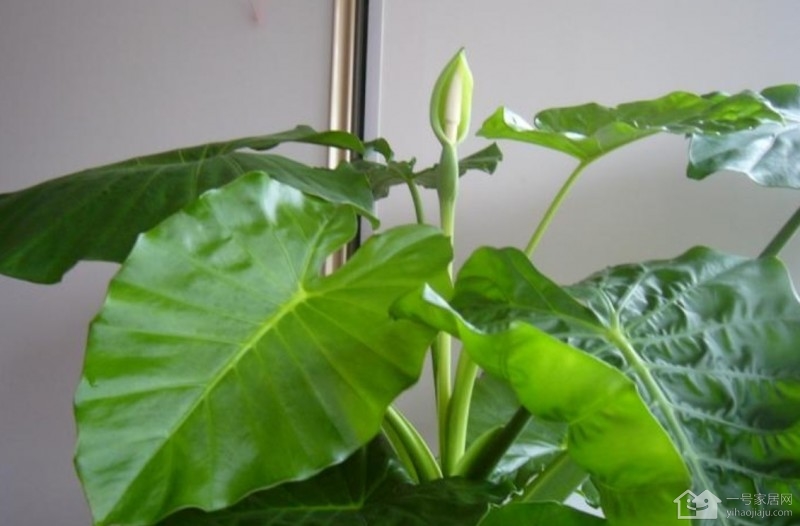
How to grow Alocasia macrorrhizos? A detailed guide to indoor care
Alocasia macrorrhizos is also called giant taro, a perennial herbaceous plant of the Araceae family. It gets the name "dripping Guanyin" because its flowers closely resemble Guanyin Bodhisattva, and because when the humidity is very high, water drips from the edges of its leaves. Generally, the sap of Araceae plants is toxic, but as long as you keep a proper distance from it
-

How to grow Alocasia macrorrhizos? These methods you need to master
Alocasia macrorrhizos, also known as giant taro and Guangdong langdu, is a perennial evergreen herbaceous plant of the genus Alocasia in the Araceae family. Its stems are thick and upright, its leaves are emerald green and glossy, its bearing is elegant, it is highly shade-tolerant and easy to cultivate. After being grown as an indoor foliage plant, it quickly became popular and widespread, becoming a new favorite among foliage flowers.
-

What are the morphological characteristics of Cinnamomum macrophyllum, and how does it differ from Cinnamomum camphora?
Morphological characteristics of Cinnamomum macrophyllum: what are the differences between Cinnamomum macrophyllum and Cinnamomum camphora
-
How to grow Alocasia macrorrhizos in water? A detailed guide to water cultivation
[Alocasia macrorrhizos water cultivation] How to grow Alocasia macrorrhizos in water
-
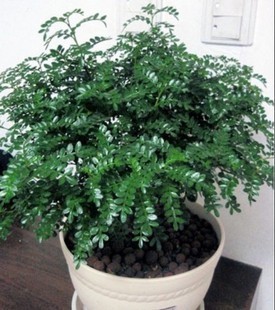
How to grow Podocarpus macrophyllus? Detailed growing methods and precautions
Podocarpus macrophyllus is an evergreen tree. The leaves are spirally alternate, linear-lanceolate, with pointed tips and narrow bases forming a petiole-like shape; the midrib is raised on both sides, the upper surface is dark green and the underside is yellow-green. The flowers are bisexual; the male cones are spike-shaped, usually clustered 3 to 5 together in the leaf axils; the female cones are generally solitary in the leaf axils and stalked. The flowering period is May
-
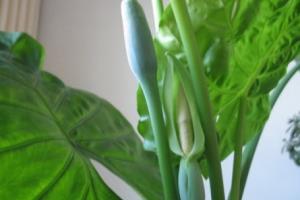
What month does the giant taro (Alocasia macrorrhizos) bloom? February to April is the peak blooming period
Giant taro blooming: in full bloom from February to April
-
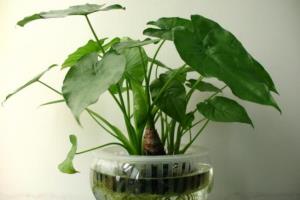
Dumb cane (Alocasia macrorrhizos) can be propagated by three methods: division, seed sowing, and cuttings
Propagation of dumb cane: division|seed sowing|cuttings
-

Can Alocasia macrorrhizos be grown in water? It has high water quality requirements
Can Alocasia macrorrhizos be grown in water: It has high water quality requirements
条件筛选