Dumb cane (Alocasia macrorrhizos) can be propagated by three methods: division, seed sowing, and cuttings
Dumb cane is not demanding about soil, but it grows best in well-drained, organic-rich sandy loam or humus loam. Below is a detailed introduction to the propagation methods for dumb cane.
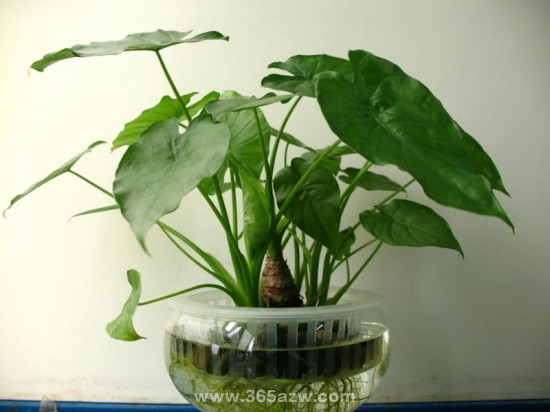
Propagation methods for dumb cane
I. Division propagation method
In summer and autumn, the tubers of dumb cane (Alocasia macrorrhizos) sprout small leafy shoots (young buds), which can be divided when repotting and changing the soil.
II. Seed propagation method
When the fruit ripens in autumn, harvest the orange-red seeds and sow them immediately, or dry and store them to sow after spring the following year.
III. Cutting propagation method
1. Cutting time: stem-section cuttings of dumb cane (Alocasia macrorrhizos) are suitable in all three seasons of spring, summer, and autumn.
2. Cut the stem at about 5 cm above the soil surface from the base of the plant.
3. The cut old stem can be cut into sections about 15 cm long, placed in a shady spot to air-dry for half a day, and then inserted into sandy loam for cultivation.
4. During the cultivation of the old plant, because of the shady, humid environment or daily morning and evening misting of the leaves in summer and autumn, a few new shoots occasionally sprout on the old stem (especially on the stem base left after cutting), and many aerial roots grow on them. These can be broken off from where the offset meets the mother plant and potted up for planting.
Precautions
1. For the growing section, after cutting off all mature leaves, pot it up directly as a single plant; cutting and cultivation proceed at the same time. After two months of growing, it becomes a well-formed plant with large leaves, dense branching, and a short, sturdy, vigorous habit, and placed indoors it has a quite elegant charm.
2. During cutting, keep the substrate (6 parts sand: 4 parts garden soil) moist, and at the same time increase air humidity; in about 7-10 days many thick, strong roots will grow.