How to grow Podocarpus macrophyllus? Detailed growing methods and precautions
Podocarpus macrophyllus is an evergreen tree. The leaves are spirally alternate, linear-lanceolate, with pointed tips and narrow bases forming a petiole-like shape; the midrib is raised on both sides, the upper surface is dark green and the underside is yellow-green. The flowers are bisexual; the male cones are spike-shaped, usually clustered 3 to 5 together in the leaf axils; the female cones are generally solitary in the leaf axils and stalked. The flowering period is May. The receptacle is enlarged and fleshy, and the seeds are broadly ovate, borne on the receptacle.
It is native to our country and is widely cultivated in the Yangtze River basin and along the southeastern coast. It likes a warm, humid, semi-shaded environment. It likes fertile, well-drained sandy loam soil, and can also adapt to the environmental climate of coastal plains. Its cold tolerance is relatively weak. Below is a detailed introduction to how to grow Podocarpus macrophyllus:
1. Soil selection for growing Podocarpus macrophyllus
When potting, use humic acid soil, and never use alkaline soil. It likes loose, fertile, slightly acidic soil with good drainage, and is not tolerant of saline-alkaline or barren conditions.
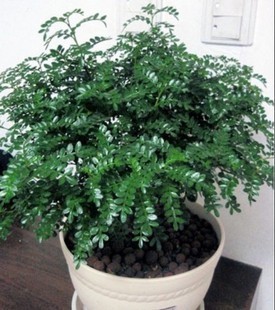
2. Fertilization methods for growing Podocarpus macrophyllus
Potted Podocarpus macrophyllus also needs supplemental nutrients. Podocarpus macrophyllus does not like concentrated fertilizer. During the growing season, fully decomposed organic liquid fertilizer can be used at concentrations of 1:6, 1:8, and 1:10, applied as a top dressing once every ten days to half a month. On the second day after fertilizing, water once, as this helps the roots absorb nutrients. For Podocarpus macrophyllus grown in open ground, apply organic liquid fertilizer at a concentration of 1:4 once before the spring shoots sprout and once after the autumn shoots have grown. When applying, dig a trench, cover with soil after application, and also water thoroughly on the second day. At ordinary times, no fertilizer is needed. During long droughts without rain, water it. If the goal is to enjoy its emerald-green leaves, whether potted or ground-planted, a small amount of liquid fertilizer can be added to water at a concentration of 1:15 every half month for irrigation, practicing watering flowers with muddy water.
In spring and autumn, applying 2 to 3 times each season a thin liquid fertilizer mainly based on nitrogen fertilizer is enough for good growth. On the second day after fertilizing, water once, as this helps the roots absorb nutrients.
3. Watering methods for growing Podocarpus macrophyllus
Podocarpus macrophyllus has very strong vitality. It can withstand drought, resist barren conditions, and is not strict about fertilizer and water requirements, and it is suitable for growing in various environments. However, for potted Podocarpus macrophyllus, the bottom of the pot must have drainage capacity and must not accumulate water for a long time, otherwise the roots will rot. Therefore, when watering, it is best to keep it slightly dry. Flower growers say: when watering Podocarpus macrophyllus, it should be "three parts wet, seven parts dry," which makes a lot of sense. From long-term practice, it has been learned that if watering is excessive and the potting soil remains waterlogged for a long time,
Podocarpus macrophyllus will develop black roots and yellow leaves, and in severe cases, a large number of leaves will fall off and the plant will die. If this happens, rescue measures should be taken in time. The method is: scrape away the potting soil, place the pot in a shaded, ventilated place, and let the potting soil evaporate and lose moisture as quickly as possible. At this time, the root system of Podocarpus macrophyllus has completely lost its ability to absorb, so the grower should also spray mist onto the leaf surface so that the leaves do not lose water or lose less water. After the plant regains vitality, cover with soil and spray water again. Generally, it can still be saved and will not die.
Podocarpus macrophyllus is relatively drought-tolerant, so during the growing season, watering should follow the principle of preferring dry over wet, keeping the potting soil alternately dry and moist. If watered too much and the potting soil remains waterlogged for a long time, it will lead to root rot and yellow leaves, and in severe cases, a large number of leaves will fall off and the plant will die. In the high-temperature summer season, water evaporates quickly, so watering should be more sufficient. If the potting soil is too dry, the leaves are prone to scorching, which also affects the ornamental value.
4. Light requirements for growing Podocarpus macrophyllus
Podocarpus macrophyllus can tolerate shade, but during the growing season it should not be kept indoors for a long time. This is because indoor light and air humidity are not as good as outdoors, and the growth and development of Podocarpus macrophyllus also require sunlight and rain. Therefore, after growing it indoors for a period of time, it should be moved out and placed in a courtyard, on a balcony, or on a terrace to grow, so that it can regain vitality as soon as possible. It is best to grow two more pots and implement a regular rotation system. In this way, you can not only keep plants indoors for viewing at all times, but also allow Podocarpus macrophyllus to grow vigorously.
5. Temperature requirements for growing Podocarpus macrophyllus
Podocarpus macrophyllus likes warmth and has relatively weak cold tolerance. When the winter temperature drops to 13°C, it enters a dormant state, and at this time the minimum temperature should not be lower than 10°C.
6. Repotting methods for growing Podocarpus macrophyllus
For potted Podocarpus macrophyllus, it is best to repot and change the soil once every two years, and this can be done in either spring or autumn. Because Podocarpus macrophyllus has a well-developed root system and strong sprouting ability, and remains green with foliage through all four seasons, it needs to consume a large amount of nutrients during the growth process of a year. If grown for two years, the pot walls are basically filled with fibrous roots, and the soil fertility is basically exhausted.
Therefore, it must be repotted and the soil changed. The growing soil can be made by fully mixing 2 parts forest leaf mold, 2 parts mountain soil, 2 parts humus soil, 2 parts pond mud, and 2 parts decomposed manure, exposing it to the sun for several days, breaking it up finely and sifting it. When potting, decomposed oil cake powder and dried pig manure can also be mixed with a small amount of growing soil as a base fertilizer. When repotting, take it out with a soil ball, remove the attached old soil, and properly prune overly long roots and decayed fibrous roots. Prune overly dense branches and replace with new growing soil.
When planting, make sure the root system is spread out, cover with soil up to 2 cm below the pot rim, water thoroughly once, place the flowerpot in a shaded, ventilated place, and let it recover for 7 to 10 days. After Podocarpus macrophyllus regains vitality, move it to a sunny, humid environment, keep the potting soil moist, and let it grow vigorously.
7. Precautions for growing Podocarpus macrophyllus
(1) During the growing season, it is better for the potting soil of Podocarpus macrophyllus to be slightly dry. If watered too much and the potting soil remains moist for a long time, it will lead to root rot and yellow leaves. In severe cases, a large number of leaves will fall off and the plant will eventually die. However, in summer the water requirement is greater, so watering should be sufficient; if the potting soil is too dry, the leaves are prone to scorching.
(2) During the growth period, pay attention to pruning and pinching the formed plants to prevent excessive growth of branches and leaves and to maintain the graceful posture of Podocarpus macrophyllus. When repotting, pay attention to cutting off excess roots and rotten fibrous roots, and also cut off overly dense branches and leggy branches.
(3) When the outdoor temperature drops to 5°C in winter, it should be moved indoors. After being brought indoors, control watering and stop fertilizing. Generally, repot once every 2 years, and repotting can be done in either spring or autumn. When repotting, pay attention to properly pruning excess roots and rotten fibrous roots, and also cut off overly dense branches and add new growing soil.
(4) For potted Podocarpus macrophyllus, it should usually be placed on a high platform or stone pedestal. In this way, it can reduce ants, earthworms, and other insects crawling into the flowerpot through the bottom hole and harming the plant.
8. Propagation methods for growing Podocarpus macrophyllus
Podocarpus macrophyllus is commonly propagated by seed sowing and cuttings.
(1) Seed propagation of Podocarpus macrophyllus
This can be done in August. It is generally carried out in an open-field seedbed. Sow as soon as collected. Cover with rice straw, pay attention to shading, and keep the substrate moist. In winter, cover with plastic film to protect against freezing.
(2) Cutting propagation of Podocarpus macrophyllus
This can be done in spring and autumn. For spring cuttings, in mid-March, select 1-year-old robust dormant branches as cuttings; for autumn cuttings, in July to August, select semi-lignified green branches as cuttings. The cuttings should all have a heel, and attention should be paid to shading. March is the most suitable time for transplanting.
Growing methods and precautions for Podocarpus macrophyllus
Growing methods for Podocarpus macrophyllus
Soil selection
When potting, use humic acid soil, and never use alkaline soil. Podocarpus macrophyllus likes loose, fertile, slightly acidic soil with good drainage, and is not tolerant of saline-alkaline or barren conditions.
Water and fertilizer management
Watering: Podocarpus macrophyllus is relatively drought-tolerant, so during the growing season, watering should follow the principle of preferring dry over wet, keeping the potting soil alternately dry and moist. If watered too much and the potting soil remains waterlogged for a long time, it will lead to root rot and yellow leaves, and in severe cases, a large number of leaves will fall off and the plant will die. In the high-temperature summer season, water evaporates quickly, so watering should be more sufficient. If the potting soil is too dry, the leaves are prone to scorching, which also affects the ornamental value.
Fertilizing: Potted Podocarpus macrophyllus also needs supplemental nutrients. Podocarpus macrophyllus does not like concentrated fertilizer. During the growing season, fully decomposed organic liquid fertilizer can be used at concentrations of 1:6, 1:8, and 1:10, applied as a top dressing once every ten days to half a month. On the second day after fertilizing, water once, as this helps the roots absorb nutrients.
Temperature and light
Temperature: Podocarpus macrophyllus likes warmth and has relatively weak cold tolerance. When the winter temperature drops to 13°C, it enters a dormant state, and at this time the minimum temperature should not be lower than 10°C.
Light: Podocarpus macrophyllus can tolerate shade, but during the growing season it should not be kept indoors for a long time. This is because indoor light and air humidity are not as good as outdoors, and the growth and development of Podocarpus macrophyllus also require sunlight and rain.
Propagation methods
Seed propagation: This can be done in August. It is generally carried out in an open-field seedbed. Sow as soon as collected. Cover with rice straw, pay attention to shading, and keep the substrate moist. In winter, cover with plastic film to protect against freezing.
Cutting propagation: This can be done in spring and autumn. For spring cuttings, in mid-March, select 1-year-old robust dormant branches as cuttings; for autumn cuttings, in July to August, select semi-lignified green branches as cuttings. The cuttings should all have a heel, and attention should be paid to shading. March is the most suitable time for transplanting.
Precautions for keeping Podocarpus macrophyllus at home
Prevent leggy growth
During the growth period, pay attention to pruning and pinching the formed plants to prevent excessive growth of branches and leaves and to maintain the graceful posture of Podocarpus macrophyllus. When repotting, pay attention to cutting off excess roots and rotten fibrous roots, and also cut off overly dense branches and leggy branches.
Prevent cold damage
When the outdoor temperature drops to 5°C in winter, it should be moved indoors. After being brought indoors, control watering and stop fertilizing.
Prevent pests
For potted Podocarpus macrophyllus, it should usually be placed on a high platform or stone pedestal. In this way, it can reduce ants, earthworms, and other insects crawling into the flowerpot through the bottom hole and harming the plant.
How to grow Podocarpus macrophyllus: growing methods and precautions for Podocarpus macrophyllus
Podocarpus macrophyllus, I believe many people are very familiar with it. It is a very common evergreen coniferous tree. How do you grow Podocarpus macrophyllus? The knowledge brought to you today is the growing methods and precautions for Podocarpus macrophyllus.
Growing methods for Podocarpus macrophyllus:
1. Soil: It requires slightly acidic growing soil rich in humus, loose and fertile, and well-drained. In alkaline soil, the leaves turn yellow and growth is slow. It has a long lifespan, reaching several hundred years, or even over a thousand years.
2. Watering: Podocarpus macrophyllus is not a plant of the pine family and is not drought-tolerant. On the contrary, Podocarpus macrophyllus is tolerant of shade and moisture, and during the growing period it should be watered frequently, but it should not become waterlogged. In the Shunde area, on sunny summer days, attention should be paid to frequent watering. Generally, water once in the morning and once in the evening, and also frequently spray water on the leaf surface so that the leaf color remains fresh green and growth is good. Summer rainfall is usually relatively high as well, and Podocarpus macrophyllus is not tolerant of waterlogging, so attention should be paid to preventing long-term water accumulation.
3. Sunlight: Podocarpus macrophyllus is a neutrally shade-leaning tree species. It can accept relatively strong light and can also grow in a more shaded environment. Although summer temperatures are relatively high and sunlight is intense, because large Podocarpus macrophyllus trees benefit from high temperature and strong light for maintaining tree posture and leaf shape, it is not necessary to shade large Podocarpus macrophyllus trees in summer. However, because young Podocarpus macrophyllus seedlings have tender tissues, they should not be exposed to strong light for long periods, and it is recommended to keep them under tree shade for care.
4. Temperature: For potted plants in northern regions, when the outdoor temperature is stable at around 10°C, move them outside and place them in a windproof, sunny place for care. After summer begins, move them to a semi-shaded place. In winter, when the temperature does not drop to 5°C, they should be brought indoors. After being brought indoors, control watering, and they can safely overwinter under non-freezing conditions.
5. Fertilizing: Podocarpus macrophyllus likes fertilizer, so apply thin fertilizer frequently. The fertilizer should mainly be nitrogen fertilizer, and an appropriate amount of black alum can be added and composted into alum fertilizer water. During the growing season, fertilize once every 1 to 2 months, and fertilizing can be done together with watering (water-to-fertilizer ratio 9:1).
6. Pests: The main diseases are leaf spot and anthracnose, which can be sprayed with a 500-fold dilution of 50% thiophanate-methyl wettable powder. Pests include scale insects, red spiders, and bagworms, which can be killed by spraying with a 1500-fold dilution of 40% omethoate emulsifiable concentrate.
Precautions for growing Podocarpus macrophyllus:
1. Podocarpus macrophyllus likes fertility, so when growing it, try to use fertile soil, such as sandy loam and leaf mold, which are relatively good. Of course, the soil's air permeability and drainage also need to be very good. During bonsai cultivation, attention should also be paid to keeping the potting soil moist to ensure a sufficient water supply during the growth period of Podocarpus macrophyllus. In summer, water evaporates quickly, so frequent watering is needed. In winter, when the temperature is low, watering should be reduced. At the same time, to avoid water accumulation in the pot, watering must be moderate, neither too much nor too wet. At the same time, attention should also be paid to placing the Podocarpus macrophyllus bonsai in a ventilated and breathable place.
2. Podocarpus macrophyllus likes light, but it is also very averse to direct sunlight, so it is usually best to keep it indoors for cultivation. At the same time, in summer when the sun is scorching, pay attention to shading it. In addition, when Podocarpus macrophyllus grows to a certain extent and the plant becomes larger, it needs to be repotted. In addition, attention should also be paid to pest and disease control and regular pruning of the Podocarpus macrophyllus bonsai. Podocarpus macrophyllus has relatively many pests and diseases. If any are found during cultivation, they should be dealt with promptly. Pruning work can be carried out according to everyone's ideas, and usually can be done by methods such as cutting, tying, and pressing.
More information