-
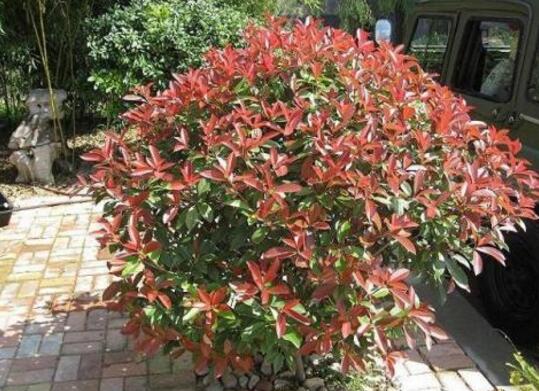
Is red-leaf photinia toxic? Key points of bonsai production techniques, soil is crucial
Red-leaf photinia is a common landscaping plant because of its high ornamental value, but for those who want to grow it indoors, the question they care about most is its toxicity. So is red-leaf photinia toxic? Is red-leaf photinia suitable for indoor potting? Let's find the answers to these questions together.
-

What are the control methods for leaf blight in areca palms?
Areca palm leaf blight is a common disease caused by fungal infection, and it has a major impact on the growth of areca palms. In mild cases it causes the leaves to dry up, and in severe cases it can cause the entire plant to die. It is severe in summer and during rainy autumn weather. In the north it mostly occurs in greenhouses with high humidity and high temperatures
-
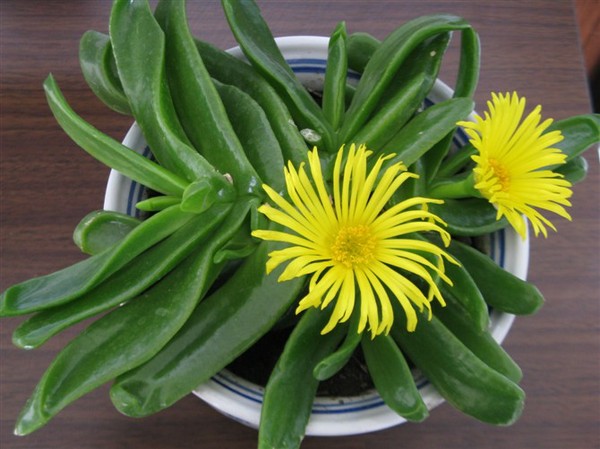
How to grow and care for the tongue leaf plant (Glottiphyllum)
The tongue leaf plant is a perennial herb. Its flowers open in the afternoon when there is plenty of sunlight and close at night. This cycle of opening by day and closing by night lasts about 7 days. If it meets cloudy and rainy weather or the growing location has insufficient light, the flowers are very difficult to open, but artificial lighting can be used and they will open normally. The plant is cross-pollinated. Tongue leaf plants tend to cluster easily.
-

How to prevent and treat leaf spot disease and anthracnose in areca palms?
Areca palm (Dypsis lutescens) is a common green ornamental plant in homes and office areas. Summarizing the experience of flower enthusiasts, it is found that areca palms often suffer from leaf spot disease and anthracnose during cultivation. Here is a brief introduction to the symptoms and control methods of these two diseases. Areca palm anthracnose: 1. Symptoms: After areca palm anthracnose occurs
-
The Five Major Benefits and Effects of Bambusa multiplex 'Fernleaf' - Only with Proper Care Can They Be Fully Realized
In many places across East China and South China, a plant with tall stems, straight lower sections, and leaves like phoenix tail feathers is cultivated. This plant is known as Bambusa multiplex 'Fernleaf', and it is a bonsai plant with extremely high ornamental value.
-
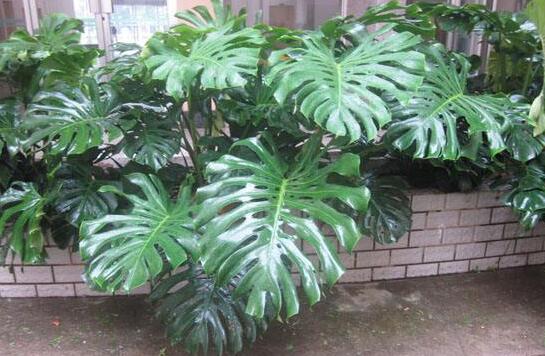
How do you get a Monstera deliciosa to develop leaf splits? Simply water it regularly, fertilize more, and increase light, and the problem is solved.
The leaves of the Monstera deliciosa are its most distinctive feature and one of the main reasons people love it. What makes the leaves so unusual is that they naturally develop splits once the plant reaches a certain stage of growth. However, some growers find that their Monstera deliciosa shows no sign of splitting for a long time.
-
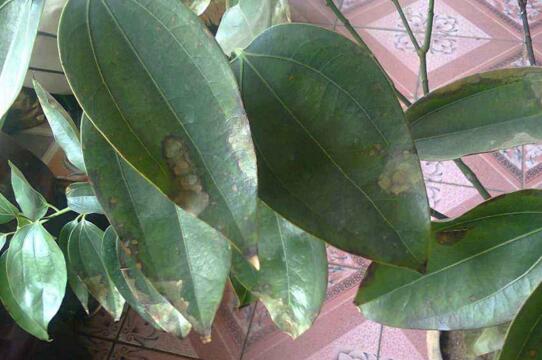
What to do when the leaf tips of the Radermachera sinica turn black? Respond to waterlogging and lack of light this way
The leaves of the Radermachera sinica are famous for being large; they can grow to 10-22 cm and also have a metallic sheen, so they are highly ornamental whether placed indoors or outdoors. But some people encounter blackened, moldy leaves, which seriously affects the tree's appearance.
-
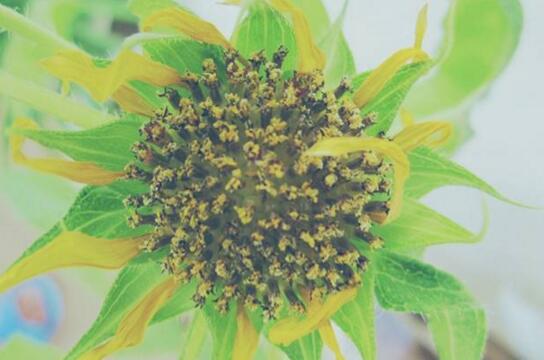
What to Do When Sunflower Leaves Wilt? Leaf Blight, Nutrient Deficiency, and Planting Methods
If asked to name the easiest plants to grow, many people would think of sunflowers. Yet some people find that the sunflowers they are growing have wilted leaves, and some are at a loss about what to do. In fact, with reasonable measures they can be saved.
-
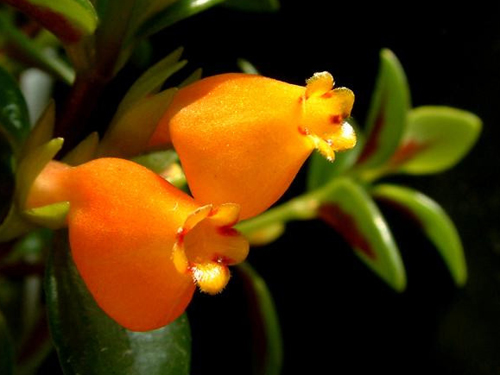
Under what conditions can the small-leaf goldfish plant produce abundant, brightly colored flowers?
The small-leaf goldfish plant (Columnea microphylla) is a perennial herbaceous or subshrub evergreen plant. Its leaves are extremely small and button-like. The stems and branches are slender and trailing. The flowers are solitary in the leaf axils. The corolla is scarlet with a yellow throat. (1) It prefers a warm, humid and bright environment. In spring, summer and autumn it can all be placed indoors in a spot with bright diffused light.
-
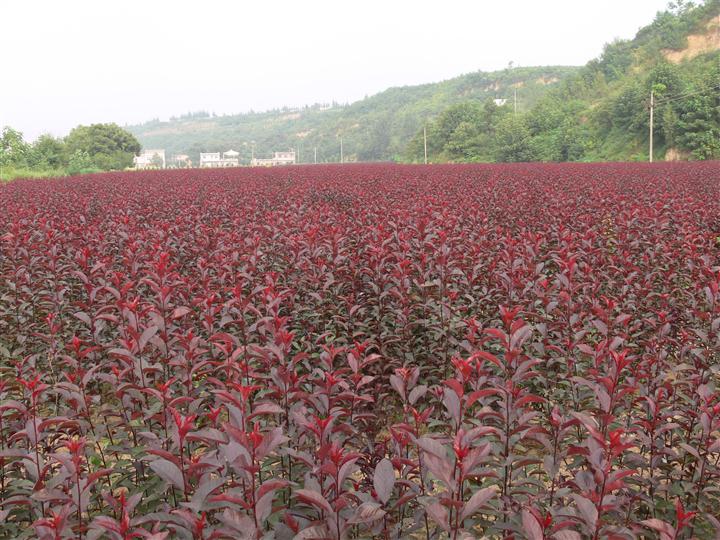
How to grow the purple-leaf sand cherry? A detailed guide to cultivation methods and precautions
Propagation methods. For cuttings propagation, in a solar greenhouse, make a seedbed 120 cm wide running east-west or north-south, and spread 8~10 cm of cuttings substrate inside. When spreading, first lay the peat soil on the bottom layer, then thoroughly mix the vermiculite powder and perlite and spread it on top, and rake it level.
条件筛选