-

-

How to propagate witch hazel by layering? Detailed explanation of the key techniques
Witch hazel mostly grows on hillsides, in stream valleys and other such places. It is a high-mountain tree species and a warm-climate tree species, but witch hazel has relatively strong cold tolerance and can still grow in the open at temperatures of minus 15°C. Witch hazel is mainly propagated by seed, and can also be propagated by layering and grafting
-
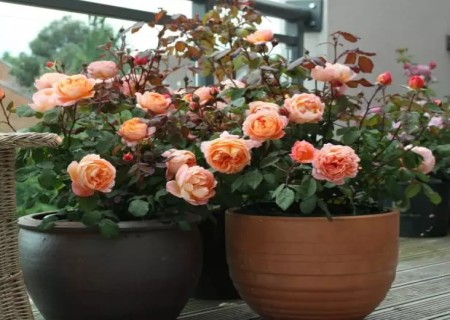
Detailed guide to air layering propagation for roses, all the operation steps are here
Roses come in a vast number of varieties and bloom all year round, with extremely rich colors: red as if painted with vermilion, white like plain jade, yellow like brocade, purple like gems, with vivid colors and dazzling variety, unmatched by many other flowers. Among rose propagation methods, air layering is one of the commonly used methods
-
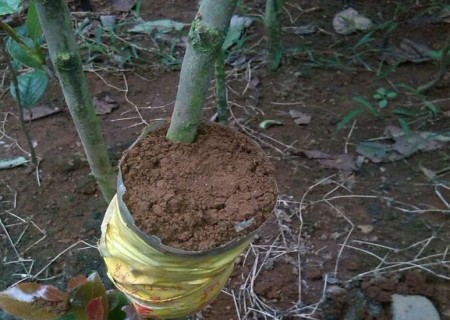
Detailed Guide to Air Layering Propagation of Camellia, Step-by-Step Instructions
Camellia, also known as camellia japonica, late camellia, mandala tree, camellia, etc. It can bloom from mid-October to mid-April of the following year, but most bloom from February to April. Flower colors include red, pink, white and many other colors, deeply loved by urban and rural residents
-
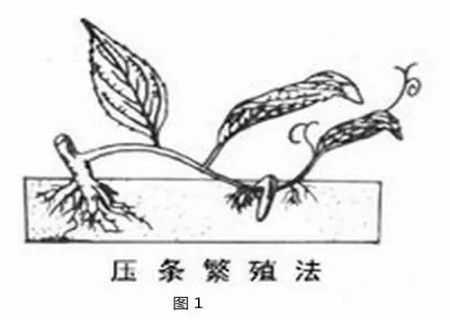
Bougainvillea air layering propagation method illustrated, step-by-step guide
Some beginner gardeners don't understand what air layering propagation is. Air layering is a type of layering propagation, and layering is divided into air layering and ground layering. Ground layering simply means bending a branch directly down to the ground, as shown in Figure 1. Air layering (Figure 2), on the other hand, is used because some plants have branches that are difficult to bend
-
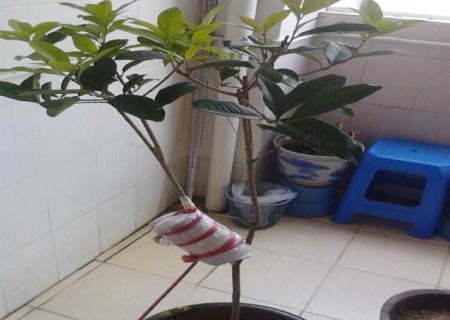
How to Propagate Osmanthus by Layering? A Full Breakdown of Methods and Steps
Layering propagation makes use of the habit of branches rooting when they come into contact with soil: part of a branch or its stem is buried and pressed into the soil to let it root, and it is then separated into an independent plant. Layering is one of the many methods of flower propagation; it involves pressing and burying the lower branches of the mother plant into the soil
-
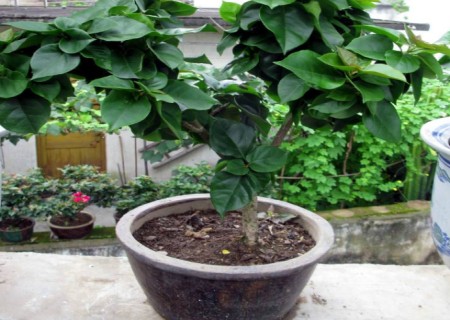
Detailed Guide to Air Layering Propagation for Potted Plants
Woody plants are somewhat more difficult to propagate from cuttings than herbaceous plants. In this issue, the expert often solves this problem perfectly by using air layering to achieve propagation of woody plants. Air layering is the short name for high-altitude layering; simply put, it means making a wound on a plant branch, and during the gradual healing process of the wound, roots are produced.
-
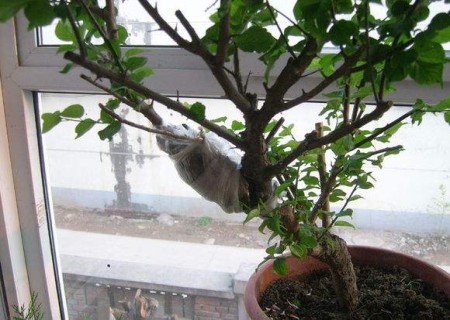
Detailed Explanation of Air Layering Propagation Techniques for Plum Blossom and Key Operation Points
Potted plum blossoms are mainly propagated by grafting, commonly using cut grafting and bud grafting. The rootstock is wild peach, mountain peach or apricot. The old trunk bark of apricot is red; when grafting red plum blossom onto it, the flower and bark colors harmonize. However, when the propagation quantity of plum is not large, the layering method can be used. Layering is a traditional method of propagating plum blossom, and it is best done in early spring from February to March, selecting vigorous 1-3 year old long branches.
-
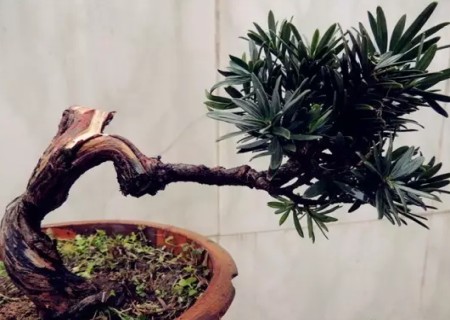
How to propagate Podocarpus macrophyllus by air layering? Detailed method and steps
Podocarpus macrophyllus has an elegant and upright charm, with a powerful and vigorous proud momentum. Combined with meanings in Chinese culture such as longevity and keeping wealth and good fortune, owners pursuing high-grade courtyard landscaping often like to plant one or two Podocarpus macrophyllus, adding a brilliant touch to their own "garden-style story." As a slow-growing tree species, Podocarpus macrophyllus
-
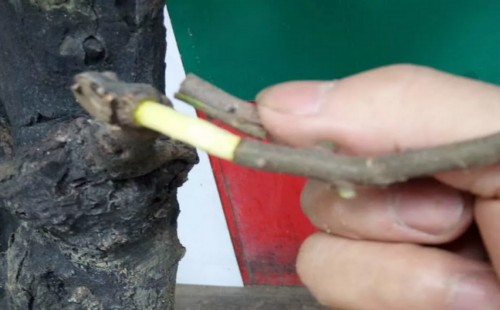
How long does it generally take for Chinese sweet plum (Sageretia thea) air layering to root?
Air layering is a very efficient means of obtaining small bonsai stock. For tree species like Chinese sweet plum (Sageretia thea) when cultivating raw stock, it often achieves twice the result with half the effort. This is mainly because propagating small Chinese sweet plum bonsai stock through air layering has a very fast rooting speed, making it easy to obtain stock that can be transplanted into pots. So
条件筛选