-
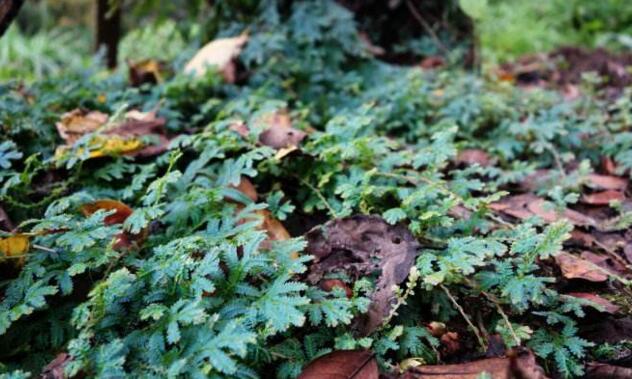
What to Do When Selaginella uncinata Leaves Wilt? Six Methods to Keep the Leaves Green with a Blue Sheen
Many plant lovers are drawn to the emerald-green leaves of Selaginella uncinata with their blue tint, so they buy some from the flower market to grow at home. Sometimes, however, they find that within just a few days the leaves of the Selaginella uncinata have wilted, which makes some inexperienced plant lovers very nervous.
-
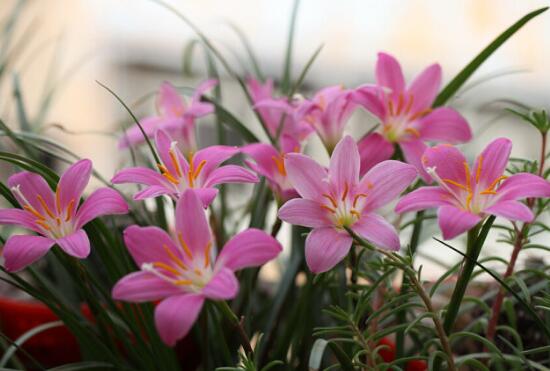
Is rain lily toxic, and is it suitable to put in the bedroom? / Many benefits of keeping it indoors
As a beautiful flower, the rain lily has excellent qualities. First, it looks lovely and is a delight to the eye; second, it purifies the air and beautifies the home, giving us a healthy living environment. Such a plant naturally attracts people's affection, but some say it is toxic! So, is the rain lily toxic?
-
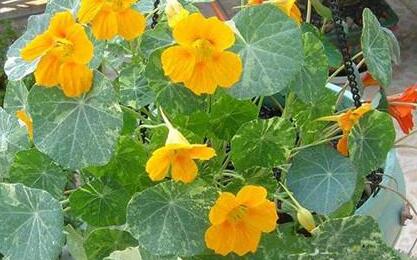
What to Do When Nasturtium Leaves Turn Yellow and Dry Up? Four Tricks to Keep the Leaves Lush and Green
The leaves of the nasturtium resemble lotus leaves, looking unique and elegant. However, some flower growers encounter yellowing, drying and other such phenomena when growing them, and often feel at a loss because they do not know what is causing it.
-
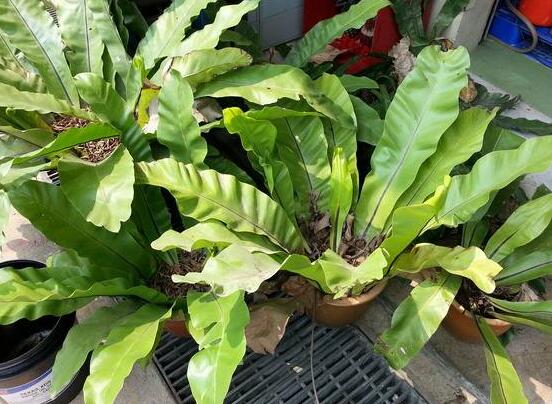
How to Grow and Care for Bird's Nest Fern: Keep Light from Being Too Strong
Among foliage plants, the bird's nest fern is known for its lush, large fronds, and it has many uses and benefits, so many people grow it. So is the bird's nest fern easy to grow? The answer is that it is very easy to grow. And how do you grow a bird's nest fern? Let's look at the growing methods and precautions for the bird's nest fern.
-
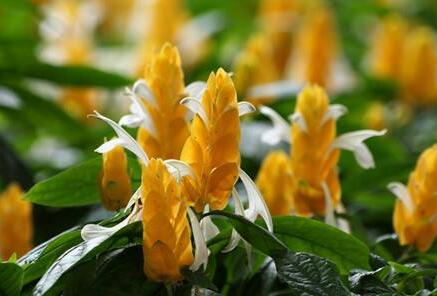
How to care for Pachystachys lutea in winter? Keep the temperature above 10 degrees and stop fertilizing
Pachystachys lutea originates from the tropical rainforests of South America, so in its growth habits, its environmental requirements are high temperature and high humidity, while winter temperatures in most parts of China are relatively low, so how to care for Pachystachys lutea in winter becomes a very important question. Below, the editor will tell you the winter care tips for Pachystachys lutea
-
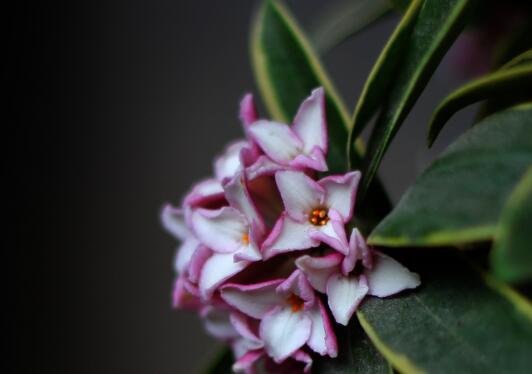
How to water and fertilize Golden-edged Daphne? Water when dry, keep moist, apply light fertilizer frequently.
Golden-edged Daphne is a fairly common plant in people's daily lives; it can be grown in pots or planted over large areas. However, if you want to grow it well, there are many things to pay attention to, and watering and fertilizing are the most important among them. How to water Golden-edged Daphne? What fertilizer should be given to Golden-edged Daphne?
-

How to propagate wintersweet? Grafting is the easiest way to keep it alive
It is well known that wintersweet has a great many uses and benefits, so more and more people are growing it, and once wintersweet blooms, propagation often comes into the picture. As a rather unusual plant, how is wintersweet best propagated? Today let us look at the propagation methods for wintersweet
-
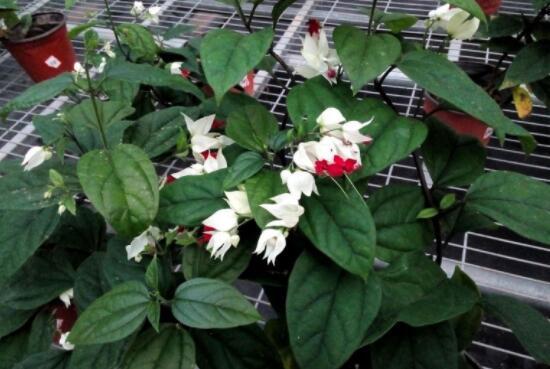
Watering Methods for Potted Bleeding Heart Vine and Tips to Keep Petals Dry During Blooming
Bleeding heart vine (Clerodendrum thomsoniae) gets its name because its flowers look like a dragon spitting out pearls. It is a very beautiful flowering plant and is deeply loved by gardening enthusiasts. In daily life, many people choose to keep a pot of bleeding heart vine at home, but to grow it well, you must pay close attention to water and fertilizer. So how do you water and fertilize bleeding heart vine?
-
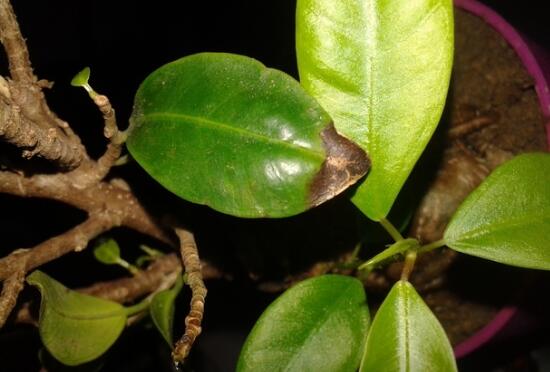
Black leaves on a ginseng ficus mean you need to add light, water moderately, and keep it warm in winter
As a common ornamental plant, the ginseng ficus (Ficus microcarpa) is kept indoors by many people because of its oddly shaped roots and lush foliage. By rights, the ginseng ficus is highly adaptable and very easy to grow. But during cultivation, many plant lovers find their ginseng ficus developing black leaves. So what should you do when the leaves of a ginseng ficus turn black?
-
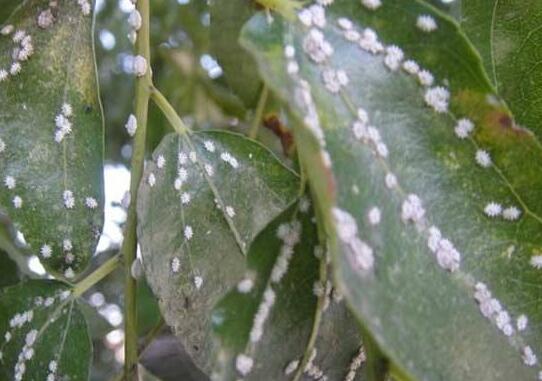
What to Do When Amaryllis Gets Pests? Keep the Environment Clean and Practice Good Pest and Disease Control
Pests and diseases are enormously harmful to any plant, and amaryllis (Hippeastrum) is certainly no exception. Although amaryllis has strong adaptability, pest and disease problems are still hard to avoid, so what should you do when amaryllis gets pests? Let's take a look at the methods for controlling amaryllis pests and diseases. What to Do When Amaryllis Gets Pests: White Peach Scale
条件筛选