-

How should garlic scapes be stored in winter to keep them fresh longer?
Temperature management of the storage room. Garlic is a plant with relatively strong cold resistance, and garlic scapes, being the flower stalks of garlic, still have relatively strong physiological cold resistance. When the storage ambient temperature reaches their freezing point, the preservation effect is best. The freezing point temperature of garlic scapes is -0.8 to -1°C (varying with solids content). When the scape temperature is above -0.8°C, tissue freezing will not occur, so it is safe. Based on diverse practical experience, the recommended cold storage index for garlic scape room temperature is -1 to 0°C. Within this range, lower the upper
-

Food rumors keep appearing on social media: what harm do they do?
The Food Sanitation Division also urges the public to maintain "reasonable doubt" toward rumors circulating online; unless they can be confirmed as true, it is better to let rumors stop with the wise and not forward or spread them further. Those who cannot tell true from false can provide the relevant information to the Food Sanitation Division, or go online and
-
How to grow potted Camellia sasanqua? Keep these care tips in mind
Avoid keeping too many buds: The bud development period is extremely long, and some varieties even take "ten months of pregnancy." From bud formation to blooming, a large amount of nutrients is consumed. Without timely and thorough bud thinning, it is difficult to ensure sufficient nutrients for later bud development and flowering. Spray flower-strengthening agent during the bud stage
-
How to keep the beautiful leaf color of the ripple peperomia
Ripple peperomia is also known as wrinkled-leaf peperomia. The leaves grow in clusters, with fairly long tea-brown petioles; the leaf blades are heart-shaped and dark green, with an uneven, wrinkled surface, and the entire leaf is wavy and glossy. In summer and autumn it sends up creamy-yellow spike inflorescences. It likes a warm, humid environment
-
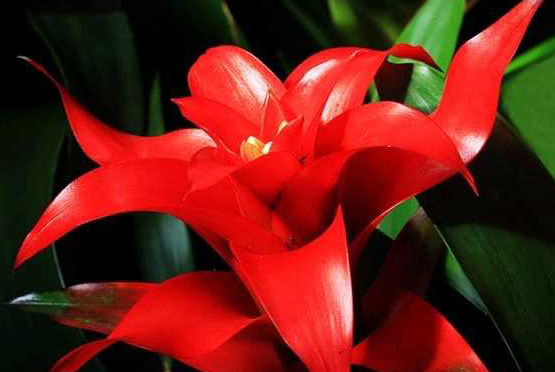
How to grow Aechmea fasciata to keep its flower colors vivid
Aechmea fasciata, also known as the silver vase plant. It is a perennial epiphytic evergreen herbaceous plant. The leaves are green, leathery, with beautiful silvery-white stripes; the panicle is pyramidal, bearing pale rose-red bracts, and the small flowers are sessile and pale blue. It blooms in summer, and the flowering period can last up to 3 months. Aechmea fasciata prefers a semi-shaded environment
-

What are the common misconceptions in flowerhorn cichlid keeping?
Misconceptions in flowerhorn cichlid keeping
-
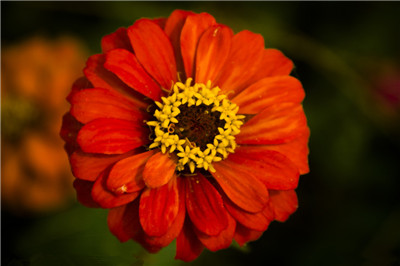
How to grow Zinnia? Keep these care tips handy
The main care points for Zinnia fall into four areas: temperature, sunlight, water, and planting density. Temperature: Zinnia likes warmth and sun, and cannot tolerate severe summer heat or severe cold. The suitable growing temperature is 18-20°C during the day and 15-16°C at night. It grows especially fast in summer
-
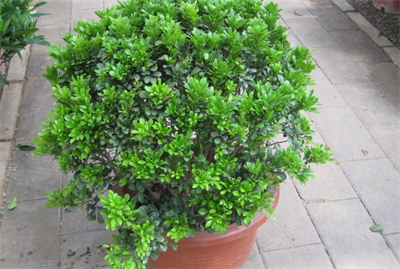
Keep houseplants sensibly indoors in summer to help you stay healthy through the hot season
In the scorching summer, running the air conditioner indoors can cool things down, but closing doors and windows blocks air circulation. So keeping a few flowers with complementary functions in the home can act as an air filter. Most flowers carry out photosynthesis during the day, absorbing carbon dioxide and releasing oxygen, and respire at night, absorbing oxygen
-
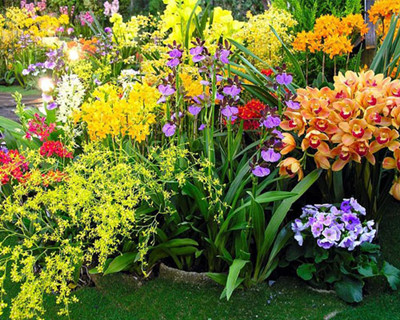
What are the methods for fertilizing flowers? Keep these eight "should nots" firmly in mind
1. Do not fertilize newly planted specimens. Newly planted specimens have many wounds; if subjected to external stimuli, they cannot heal and root rot will result. 2. Do not fertilize during the flowering period. Fertilizing during the flowering period will cause bud drop, flower drop and fruit drop. Do not fertilize during the dormant period. During dormancy, flowers stop or slow their growth, their metabolism is slow and photosynthesis is poor.
-
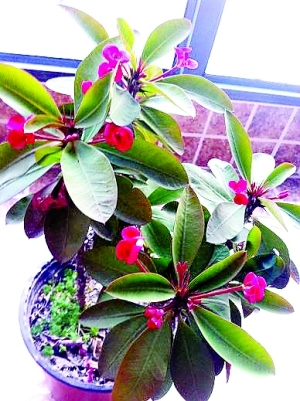
How to Keep Potted Flowers Warm in Winter? Master These Frost Protection Tips
1. How to Manage Potted Flowers in Winter? Potted flowers in the north need to be moved indoors one after another in early winter. After bringing them indoors, the placement should take into account the characteristics of each type of flower. Therefore, pay attention to the following aspects: (1) Flowers that bloom in winter and spring and flowers that love light and warmth: such as Christmas cactus, cyclamen, camellia
条件筛选