Watering Methods for Potted Bleeding Heart Vine and Tips to Keep Petals Dry During Blooming
Bleeding heart vine (Clerodendrum thomsoniae) gets its name because its flowers look like a dragon spitting out pearls. It is a very beautiful flowering plant and is deeply loved by gardening enthusiasts. In daily life, many people choose to keep a pot of bleeding heart vine at home, but to grow it well, you must pay close attention to water and fertilizer. So how do you water and fertilize bleeding heart vine? Let's take a look together at the watering methods for bleeding heart vine.
I. How to Water Potted Bleeding Heart Vine - The Method Matters
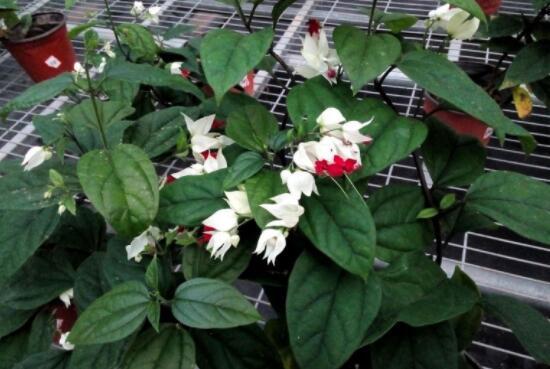
To grow bleeding heart vine well, watering is a crucial part, but it is very sensitive to moisture - too much or too little both cause problems. If you water too much, the bleeding heart vine may fail to bloom; if you water too little, the leaves will turn yellow. So how to water potted bleeding heart vine - the method matters. Let's continue reading for the specifics.
II. Watering Methods for Bleeding Heart Vine
(1) Watering at Different Stages
1. Watering During the Growing Season
Bleeding heart vine prefers a moist environment. During growth, you need to constantly monitor the moisture level of the potting soil and water reasonably. Especially during the peak growing season, you must provide it with sufficient water. Of course, sufficient does not mean overwatering - gardeners just need to keep the potting soil in a consistently moist state.
2. Watering During the Flowering Period
How to water bleeding heart vine? When it reaches the flowering period, you need to be careful. At this time, the bleeding heart vine has a low water requirement and does not need much watering. In addition, you must prevent petals from getting wet, especially during rainy or stormy weather. Gardeners must move the bleeding heart vine indoors for care, otherwise the flowers will wither and the flowering period will end prematurely.
(2) Watering in Different Seasons
1. Watering in Spring and Autumn
Bleeding heart vine prefers a warm environment, so spring and autumn are its peak growing seasons. At this time, it has a high water requirement, and gardeners should water frequently to keep the potting soil moist.
2. Watering in Summer and Winter
How to water bleeding heart vine? You must pay attention in summer and winter. In summer, because temperatures are high, water evaporates quickly, so you need to water more; in winter, the bleeding heart vine goes dormant due to low temperatures, so water should naturally be reduced to ensure it safely makes it through the cold, long harsh winter.
Extension: How to Fertilize Bleeding Heart Vine
Water and fertilizer go together. Now that we've covered watering, fertilization is naturally essential. So how do you fertilize bleeding heart vine? For this, regular light fertilization is sufficient, but during the flowering season you need to apply a bit more fertilizer: if using phosphorus and potassium fertilizer, apply once every 10-15 days; if using a thinner liquid fertilizer, apply once every 7-10 days, and maintain this for three to four consecutive cycles.
Care Methods for Potted Bleeding Heart Vine
Bleeding heart vine, also known as Kylin Spitting Pearls, is a perennial evergreen small vine in the Verbenaceae family, genus Clerodendrum, native to the west coast and southern tropical regions of Africa. Its flower shape is unique - the calyx is pure white like thunder, the petals are deep red, and the bright red corolla looks like a bright pearl spat out from the dragon's head (the calyx), just like a swimming dragon spitting pearls, hence the name.Growth Habits:
Bleeding heart vine prefers high temperatures, humidity and full sunlight. It fears cold and prefers fertile, loose, well-drained sandy loam. You can prepare potting soil with 60% garden soil, 30% coal ash, and 10% bone meal. The soil should not be too acidic or too alkaline - neutral is best. The optimal growth temperature is between 18°C and 28°C.
Cultivation and Management:
The flowering period of bleeding heart vine is from April to October. With proper management, it can bloom three to four times continuously each year. Watering and fertilizing should be flexibly adjusted according to different seasons and growth stages. March to May and early autumn are the peak growing periods for bleeding heart vine. At this time, keep the potting soil at a relatively high moisture level, provide sufficient water, and apply a compound liquid fertilizer about once every 10 days. Before flowering, apply phosphorus fertilizer once or twice additionally. During the flowering period, spray a monopotassium phosphate solution on the leaves and flowers once a week, which can promote more and brighter flowers and extend the flowering period. After the flowers fade, promptly cut off the spent flowers and carry out moderate pruning at the same time to encourage lush leaves and abundant flowers. At this point, also make sure to maintain sufficient light. In midsummer, pay attention to shading and stop fertilizing. In early spring and harsh winter, pay attention to keeping warm and preventing frost. The potting soil should be kept on the drier side to prevent root rot. During the winter dormant period, cut off some leggy branches and excess branches to improve cold resistance and ensure sturdy branches. When the temperature drops below 15°C, move the pot indoors to a spot with plenty of sunlight.
Propagation Methods:
Bleeding heart vine can be propagated by three methods: seeding, cuttings, and division. For seeding, the temperature must be stable above 18°C. Cuttings are usually taken during April to May or September to October. Select healthy, lignified new branches, cut them into 8-10 cm long cuttings, insert them into pots with sand as the substrate, water thoroughly, provide slight shade, and at a temperature of around 25°C, roots will form in about 40 days. Once new shoots grow, they can be potted. Division is usually done in early spring before new shoots sprout. Separate the small plants growing from the base with roots from the mother plant and plant them. With proper management, seeded bleeding heart vine can bloom the following year, while those from cuttings and division can bloom the same year. Besides being grown in pots for ornamental purposes, bleeding heart vine can also be trained into bonsai with twisted roots through methods such as root lifting and binding. Medicinally, bleeding heart vine can also be used to treat bruises and injuries with remarkable results.
Growing Conditions for Bleeding Heart Vine - Cultivation Methods for Bleeding Heart Vine
Bleeding heart vine flowers are mainly used for greenhouse cultivation and ornamental purposes. Its cultivation history in China is not long. Let's take a look at how to grow bleeding heart vine!
In summer and autumn, the bleeding heart vine produces bright red corollas from the white terminal calyx, with red and white interlocking, shaped like a swimming dragon spitting pearls - exceptionally beautiful, making it a common potted flower. Bleeding heart vine is a climbing evergreen shrub. Leaves are opposite, ovate, with pointed tips, entire margins, and prominent lateral veins. Flowers are loose in clusters, terminal or axillary. The calyx is white, later turning pink, pentagonal, narrowing at the tip. The petals are red, and the stamens are long, protruding beyond the corolla. A cultivated variety, variegated bleeding heart vine, has dark green leaves with irregular white markings.
Bleeding heart vine is native to tropical West Africa. It prefers warm, humid and sunny environments and is not cold-tolerant. The optimal growth temperature for bleeding heart vine is 18-24°C, from February to October it is 18-30°C, and from October to the following February it is 13-16°C. Winter temperatures should not be lower than 8°C. Above 5°C, stems and leaves are susceptible to frost damage - mild cases cause leaf drop, severe cases cause tender stems to wither. During the vegetative growth period, temperatures can be higher. Even at high temperatures above 30°C, as long as water is sufficient, it can still grow normally. For reproductive growth, that is, the flowering period, the temperature should be lower, around 17°C.
Bleeding heart vine is relatively sensitive to moisture. During the stem and leaf growth period, keep the soil moist, but do not overwater. Too much water will cause it to grow only vines without flowering, or even yellowing and dropping leaves, and root rot and death. In the hot summer season, water thoroughly and provide appropriate shade. In winter, reduce watering to let it go dormant for safe overwintering. Bleeding heart vine needs sufficient light in winter. When the weather is too hot in summer, it should be shaded, otherwise the leaves will turn yellow. When light is insufficient, it will grow vines without flowering.
Flower bud differentiation is not affected by photoperiod, but stronger light promotes flower bud differentiation and development. It should not be placed in darkness for too long. At temperatures above 21°C for more than 24 hours, flowers will drop. Use fertile, loose, well-drained sandy loam soil. For potting, use a mix of culture soil or peat soil and coarse sand.
Cultivation Methods for Bleeding Heart Vine:
1. Temperature: The optimal growth temperature for bleeding heart vine is 18-24°C, from February to October it is 18-30°C, and from October to the following February it is 13-16°C. Winter temperatures should not be lower than 8°C. Above 5°C, stems and leaves are susceptible to frost damage - mild cases cause leaf drop, severe cases cause tender stems to wither. During the vegetative growth period, temperatures can be higher. Even at high temperatures above 30°C, as long as water is sufficient, it can still grow normally. For reproductive growth, that is, the flowering period, the temperature should be lower, around 17°C.
2. Soil: For potted bleeding heart vine, use fertile, loose, well-drained sandy loam soil. For potting, use a mix of culture soil or peat soil and coarse sand.
3. Sunlight: After the weather warms up in spring, place it in the yard or on a south-facing balcony. Provide full sunlight in spring and autumn. In the hot summer, place it under a shade awning or in a shaded area.
4. Watering: For potted bleeding heart vine, you need to master two main aspects: watering and pruning. Bleeding heart vine prefers moisture and requires sufficient water during growth and development. However, overwatering and excessively wet potting soil can easily cause leaves to turn yellow and drop. During the growing period, water evenly and keep the potting soil consistently moist - not too wet or too dry, and not alternating between wet and dry.
5. Fertilizing: Do not over-fertilize. During the flowering season, apply diluted decomposed cake fertilizer water once every 7-10 days, for 3-4 consecutive applications. If yellowing is observed during cultivation of bleeding heart vine, apply 0.2% ferrous sulfate solution as a supplementary fertilizer, which will gradually turn the leaves from yellow back to green.
6. Pests: The main pests include scale insects and whiteflies, which can be sprayed with 40% omethoate at 1000 to 1500 times dilution. For leaves that cannot unfold normally and lose green due to alkaline soil, irrigate with 0.2% ferrous sulfate solution. For mosaic virus disease and fungal diseases, promptly remove fallen diseased leaves, improve ventilation, and keep leaves dry to control the condition.