-

What are the precautions for using compound fertilizer? Keep these points in mind
Precautions for using compound fertilizer
-
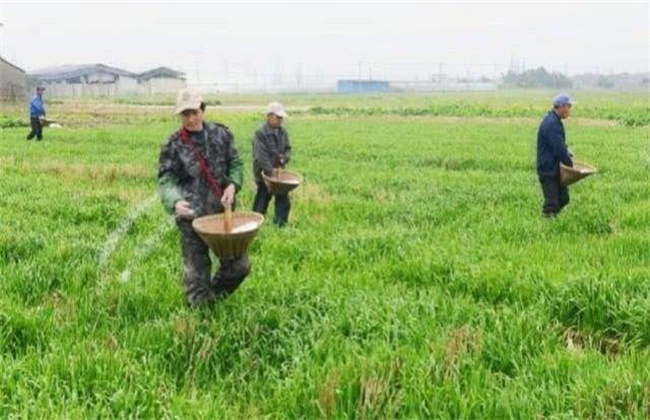
What are the common spring ploughing fertilization mistakes? Keep the precautions firmly in mind
Spring ploughing fertilization mistakes and precautions
-
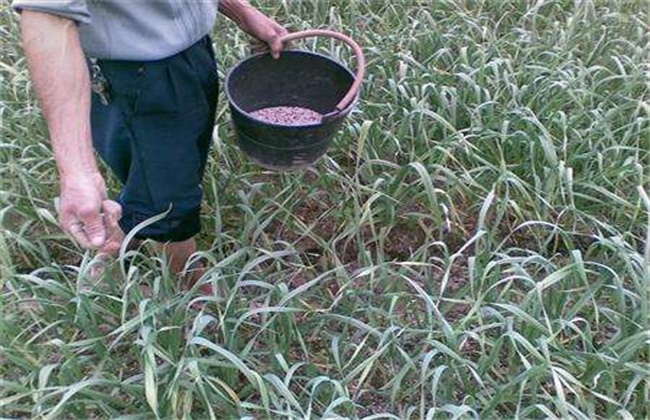
Things to keep in mind when applying potassium fertilizer: remember these points
Precautions for applying potassium fertilizer
-
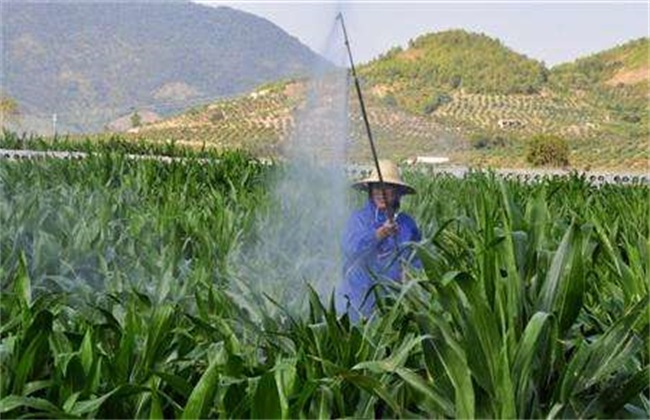
What are the precautions for spraying foliar fertilizer? Keep these points in mind
Precautions for spraying foliar fertilizer
-

How to choose corn seed fertilizer? Keep these precautions in mind
Corn seed fertilizer selection and precautions
-
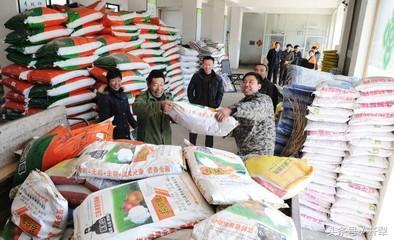
What should you pay attention to when buying chemical fertilizers? Keep these points in mind
Issues to note when buying chemical fertilizers. Around the Spring Festival is the season when farmer friends buy chemical fertilizers in concentrated fashion. There are many varieties of chemical fertilizers sold on the market, and various new types of fertilizers are also coming onto the market one after another...
-

Ten things to avoid when fertilizing greenhouse vegetables in winter, growers must keep in mind
Ten things to avoid when fertilizing greenhouse vegetables in winter
-

There is an art to applying chemical fertilizer: keep these five "don'ts" firmly in mind
When applying chemical fertilizer, observe the "five don'ts"
-
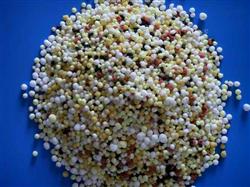
How to tell real fertilizer from fake? Keep these methods in mind
As the saying goes: "Fool the land for a moment, and the land fools you for a year." Once farmers buy and use fake or inferior chemical fertilizers, the losses caused are hard to make up for, which both dampens farmers' enthusiasm and harms farmers' interests. Below are the common methods for identifying real and fake fertilizers: Visual inspection First look at the fertilizer packaging. The fertilizer packaging bag must indicate the product name, nutrient content (grade), trademark, net weight, standard code, factory name and address, contact phone number, production license number and fertilizer registration number, etc. If the above markings are absent or incomplete and the packaging is rather rough, it may be fake or inferior compound fertilizer. Pay special attention to fertilizers whose packaging bag seals show obvious signs of being opened; this phenomenon may indicate adulteration. In addition, pay attention to the production date on the production certificate inside the fertilizer bag. If fertilizer is stored for too long, the total nutrients will be lost. Second, look at the fertilizer's granule size (or crystalline state). High-quality fertilizer has relatively uniform granule size and specific gravity, a smooth surface, and is not prone to absorbing moisture or caking, while fake and inferior fertilizer is exactly the opposite, with uneven granule sizes, a rough surface, high moisture, and easy caking. Third, look at the fertilizer's color. High-quality fertilizer has very uniform color, with no obvious color difference, and the entire granule is uniform from the inside out. Most fake fertilizer, however, is colored on the surface and easily loses its color.
-
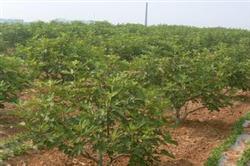
What are the key points to keep in mind when applying organic fertilizer to fruit trees?
1. Organic fertilizer should be applied in combination with chemical fertilizer. Currently, more than 90% of the organic fertilizer used in orchards is farmyard manure. These fertilizers contain large amounts of nitrogen, phosphorus and potassium as well as a certain amount of secondary elements (calcium, magnesium), trace elements (iron, boron, manganese, zinc, copper, etc.) and biologically active substances. They not only provide comprehensive nutrition for fruit trees...
条件筛选