-
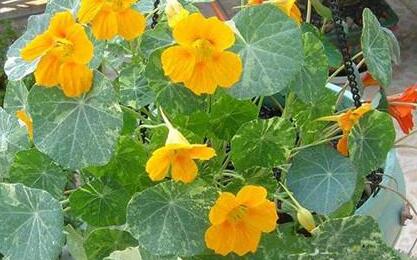
What to Do When Nasturtium Leaves Turn Yellow and Dry Up? Four Tricks to Keep the Leaves Lush and Green
The leaves of the nasturtium resemble lotus leaves, looking unique and elegant. However, some flower growers encounter yellowing, drying and other such phenomena when growing them, and often feel at a loss because they do not know what is causing it.
-
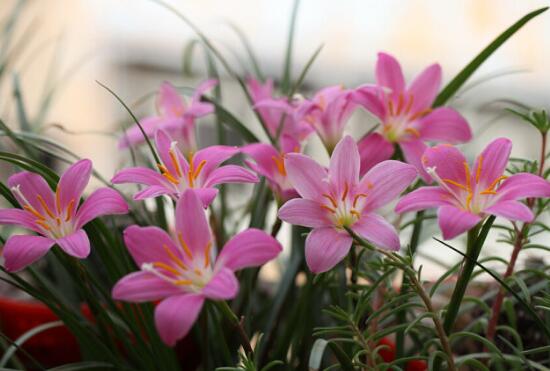
Is rain lily toxic, and is it suitable to put in the bedroom? / Many benefits of keeping it indoors
As a beautiful flower, the rain lily has excellent qualities. First, it looks lovely and is a delight to the eye; second, it purifies the air and beautifies the home, giving us a healthy living environment. Such a plant naturally attracts people's affection, but some say it is toxic! So, is the rain lily toxic?
-
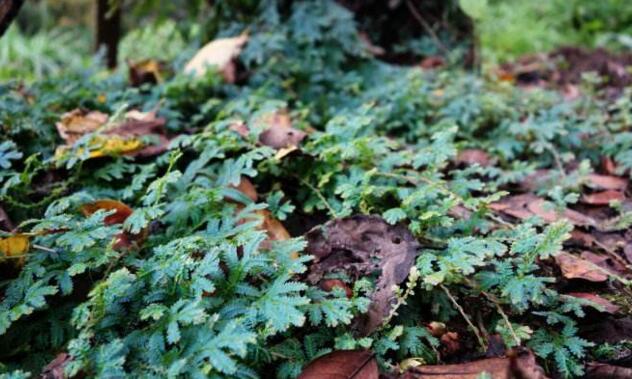
What to Do When Selaginella uncinata Leaves Wilt? Six Methods to Keep the Leaves Green with a Blue Sheen
Many plant lovers are drawn to the emerald-green leaves of Selaginella uncinata with their blue tint, so they buy some from the flower market to grow at home. Sometimes, however, they find that within just a few days the leaves of the Selaginella uncinata have wilted, which makes some inexperienced plant lovers very nervous.
-
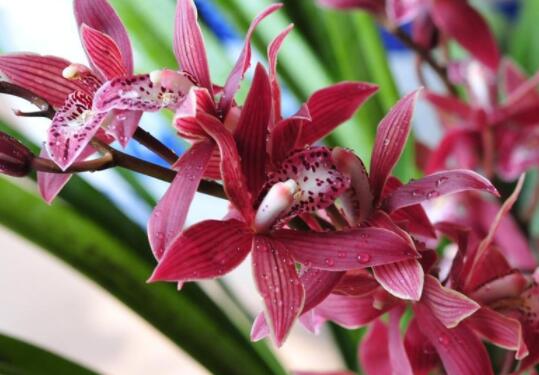
How to fertilize and water Cymbidium sinense? Fertilize lightly, avoid heavy doses, and keep the potting soil half-dry
During the growth of Cymbidium sinense, nutrients are very important to it. Only by maintaining sufficient nutrients can it grow strong and healthy and thus produce beautiful flowers. Among its nutrients, fertilizer and water are the most important. So how do you fertilize and water Cymbidium sinense?
-
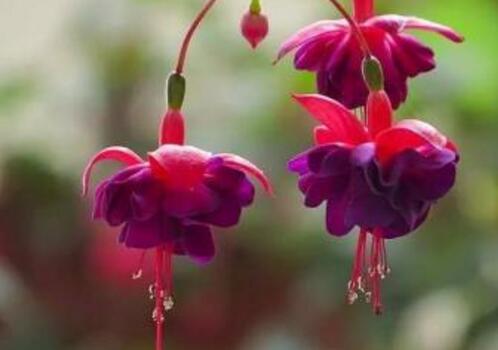
Four-season care methods for fuchsia: four techniques to keep it blooming continuously
We have emphasized the importance of care methods in our article on fuchsia pest and disease control. Good care techniques can protect fuchsia from many diseases and pests, and usually the methods need to be adjusted constantly with the changing seasons. Below, let us learn about the four-season care methods for fuchsia
-
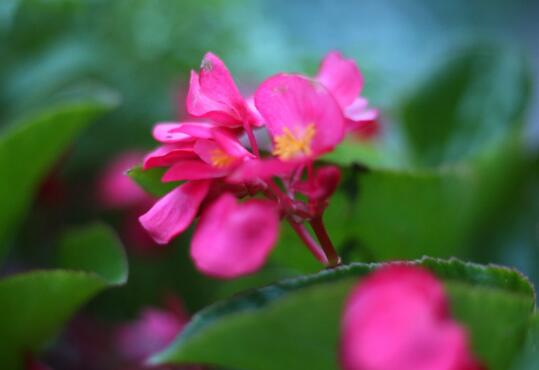
How to prune wax begonia? Master the pruning method of keeping the strong and removing the weak
Wax begonia (Begonia semperflorens) is an ornamental flowering plant that can be seen in many gardens in our country. However, during its growth, some dead branches and rotten leaves will appear, so we need to prune it regularly. So how do you prune wax begonia?
-
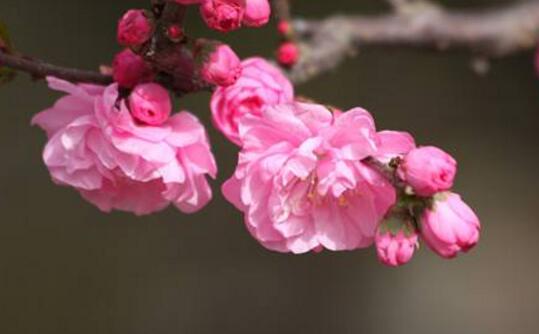
When transplanting flowering almond (Prunus triloba), keeping a soil ball and watering and pruning in time can improve the survival rate.
Flowering almond grows fairly quickly, and sometimes a flower pot or the environment limits it, so it has to be transplanted. During transplanting, be careful to avoid damaging the roots, and the care and management after transplanting are also very important. Good care can improve the transplant survival rate and will not have an adverse effect on growth.
-
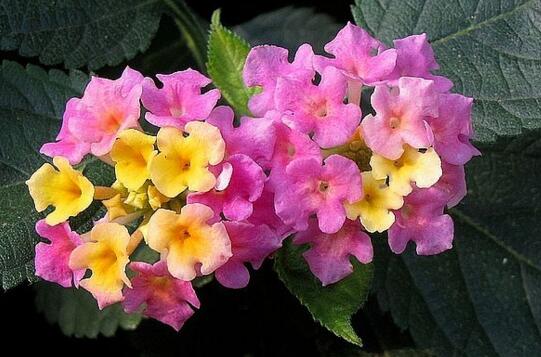
How to care for Lantana (five-color plum) in winter? Control fertilizer and water, increase light, and keep the temperature above 8 degrees
Lantana is a shrub native to the tropics. Because of its strong adaptability, it is also very common in the wild in many places. However, it is not without weaknesses. For example, its intolerance to cold is one of its shortcomings, so caring for it in winter requires certain techniques. So how do you care for lantana in winter? Let me tell you the answer.
-
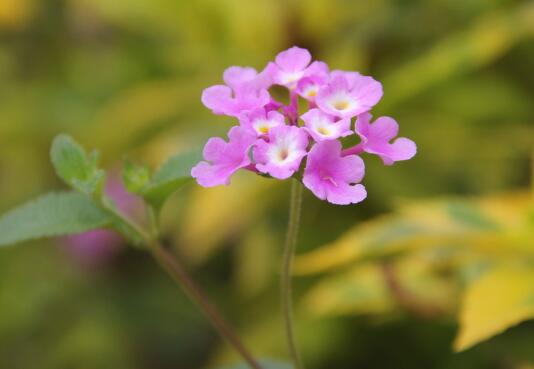
How do you pinch and prune verbena? Pruning once every 2 months keeps the plant fuller
Verbena is a fairly common flowering plant in people's daily lives, with high ornamental value, especially when it blooms. However, if you want the verbena flowers to bloom better, you need to pinch and prune it regularly during cultivation. So what exactly is the pinching and pruning method for verbena?
-
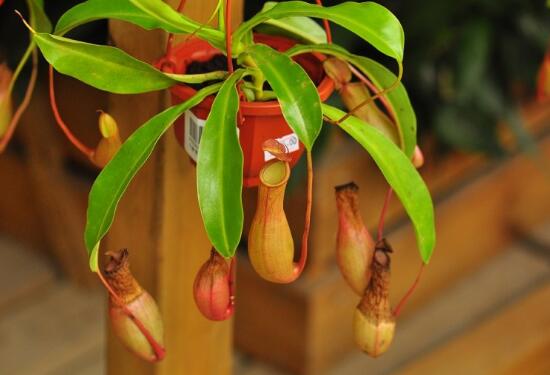
Detailed Guide to Overwintering Pitcher Plants: Keep Away from Windows and Raise the Temperature
The pitcher plant (Nepenthes) is a very unusual plant that grows many pitchers with the ability to catch mosquitoes and flies. It is precisely because of these qualities that many people keep pitcher plants as houseplants. However, since pitcher plants originally grow in tropical regions, they like high temperatures and cannot tolerate cold, so care in winter requires special attention.
条件筛选