-
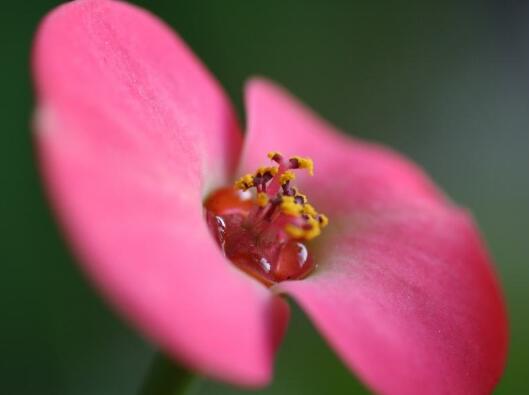
Is the crown of thorns plant toxic, and is it suitable to keep at home? There are pros and cons to growing it indoors
The crown of thorns (Euphorbia milii) is a highly ornamental flowering plant with rather vivid colors, which is why many people want to grow one at home. However, there is one thing to keep in mind: if you want to grow a plant at home, you first need to know whether it is toxic. On questions like whether the crown of thorns is toxic and whether it is suitable to keep at home
-
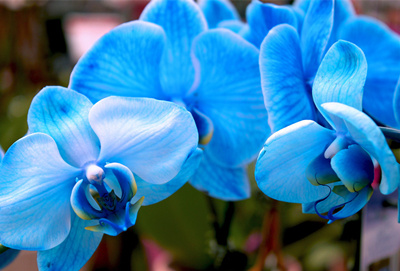
How to care for Phalaenopsis orchids in winter? Keep these key points in mind
Because Phalaenopsis orchids originate from tropical regions, they cannot tolerate severe cold. When winter temperatures are on the low side, improper cultivation can cause necrotic black spots to appear on the leaves, which then fall off, leading to the death of the entire plant. In the north, winter cultivation requires a heated greenhouse, so we specifically introduce the key points of its winter management
-
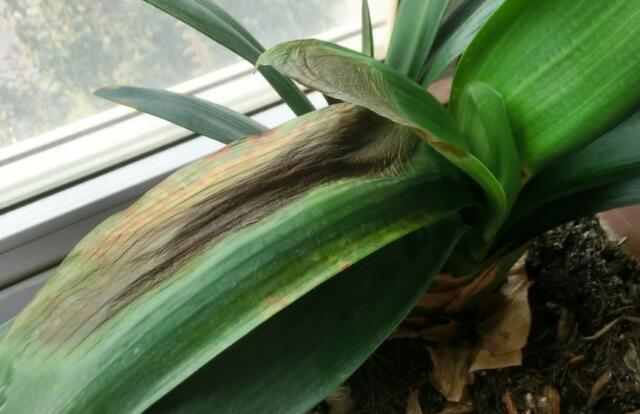
What to Do When Clivia Leaves Turn Yellow? 7 Water and Fertilizer Care Tips to Keep Leaves Evergreen
Thick, emerald-green leaves, broad and spreading to both sides, neat and beautiful - this is the Clivia. Keeping one at home is an absolute visual pleasure. However, during cultivation, for various reasons, Clivia leaves may show yellowing symptoms. So what should you do when Clivia leaves turn yellow?
-

How do you thicken the roots of a honeysuckle bonsai? Prune the thin branches, keep the main trunk, apply extra fertilizer and water less
Honeysuckle is a common potted plant in daily life. Honeysuckle is very easy to grow, but if you want honeysuckle to bloom all over the branches, you must find a way to thicken the roots. How do you thicken the roots of a honeysuckle bonsai? This is related to the usual cultivation methods and pruning. Before the honeysuckle grows tall, you can prune the thin branches of the honeysuckle
-
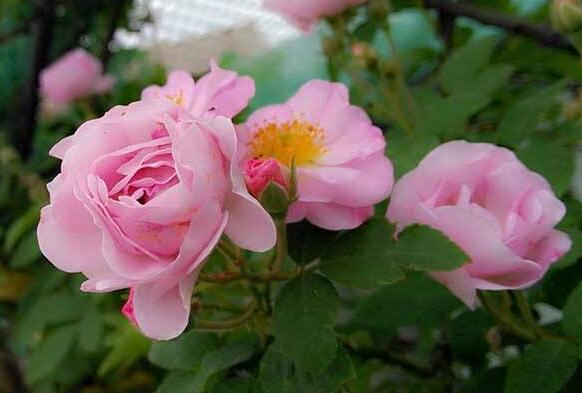
Pruning Potted Roses: Master 3 Key Points, Keep the Blade Sharp for More Beautiful Blooms
In everyday life, potted roses are a great choice, and to make the roses bloom beautifully, flower lovers spare no effort in careful cultivation, not daring to be careless at all. However, to achieve beautiful blooms, besides care, proper pruning is also very important. So how do you prune potted roses to make them more beautiful?
-

A detailed guide to pigeon breeding precautions: key points every pigeon keeper must know
Precautions for pigeon breeding
-

What should you pay attention to when growing wisteria? Keep these care points in mind
Wisteria is also known as tengluo. It is a large deciduous climber. The flower clusters hang down, densely packed, light purple, fragrant, blooming from April to May. Wisteria is long-lived, with old stems twisting and twining; when it blooms profusely in spring, strings of flower clusters hang from the tree, and it can be twined around pergolas and flower gates in courtyards. Wisteria likes sunlight, tolerates slight shade, and has strong cold resistance
-
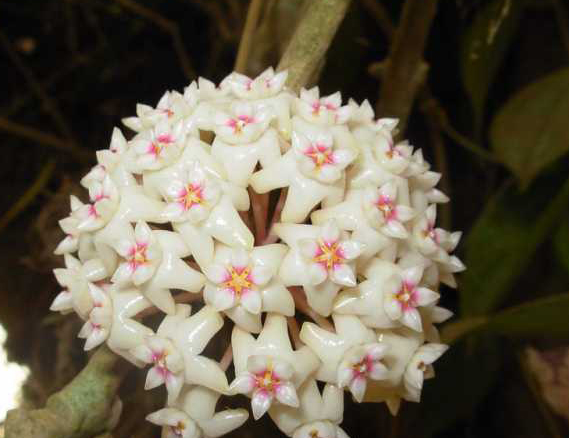
What are the care precautions for hoya? Keep these key points in mind
(1) Hoya is a succulent plant, and its leaves contain a lot of water. Therefore, it should not be watered too much, otherwise the roots are prone to rot. (2) For plants that have already developed flower buds or are blooming, the flowerpot should not be moved at will, otherwise it may easily cause flowers and buds to drop. (3) After the flowers fade, let them wither and drop naturally
-

What should you pay attention to when growing wampee? Keep these key points in mind
What should you pay attention to when growing wampee
-

What are the planting precautions for thistle? Keep these points in mind
Planting precautions for thistle
条件筛选