-
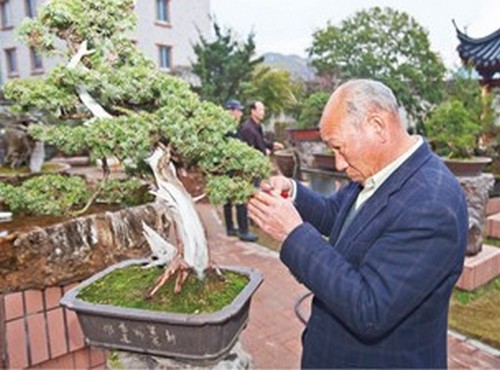
How to shape a Chinese juniper bonsai? A detailed guide to shaping methods
So-called Chinese juniper shaping means, through processes such as tying, binding, twisting, pinching, pulling, thinning and pruning, turning an ordinary Chinese juniper into a vivid living shape, such as animal shapes like lions and tigers; architectural shapes like pavilions and towers; and educational shapes like airplanes and rockets. These shapes range from about a foot tall to several meters tall
-

What are the pruning methods for juniper bonsai?
Juniper, as the name suggests, is a cypress with truly excellent qualities and the most beautiful variety, regarded as the king of cypresses in the Japanese bonsai world and deeply revered. According to reference materials, the juniper commonly seen in bonsai circles is actually a variety of alpine juniper, and most are deep-mountain junipers. Juniper is one of the excellent materials for making bonsai, with dense branches and fine leaves
-
How to source materials and cultivate Chinese juniper bonsai? A detailed guide to practical methods
Chinese juniper (Juniperus chinensis), native to China, has a slender, pointed tree form, cylindrical in shape, rising straight upward, with new branches growing around the trunk, resembling a green dragon coiled around a pillar, hence the name "dragon juniper." Its leaves are small and dense, emerald green, scale-like and alternately arranged, with spherical blue fruits that remain unchanged through the four seasons. It is a relatively superior and high-quality ornamental tree for parks and courtyards.
-
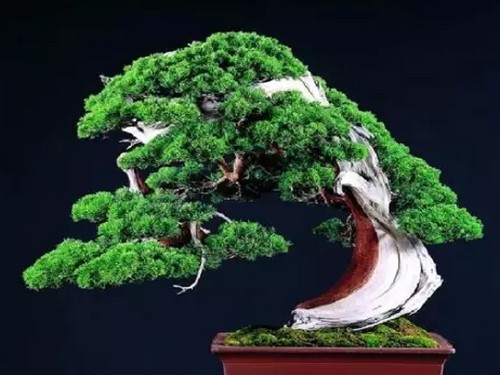
A Detailed Guide to Sourcing and Cultivating Juniper Bonsai
Juniper bonsai has long been renowned in bonsai circles at home and abroad for its gnarled old trunks, fine dense foliage, and graceful posture. Especially in Japanese bonsai exhibitions, shari (deadwood trunks) made from century-old junipers are commonly seen, with white deadwood and red bark interleaved, sweeping like a roaming dragon, vigorous and ancient, truly possessing an immortal's air, and can be called the finest among bonsai. Juniper in Taiwan, China's bonsai circles
-
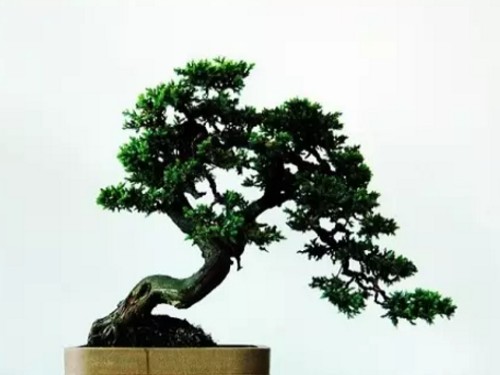
Detailed Guide to Caring for Juniperus procumbens Bonsai, Easy to Grow It Well
Juniperus procumbens, also known as creeping juniper and prostrate juniper, belongs to the Cupressaceae family, Juniperus genus. It is an evergreen creeping shrub. Because its trunk is often twisted, its branches are fine and dense, it adapts strongly, and it is easy to shape, it is deeply loved by bonsai enthusiasts. The creeping juniper's branches and leaves are emerald green, winding and creeping, and it is suitable for viewing in all four seasons.
-
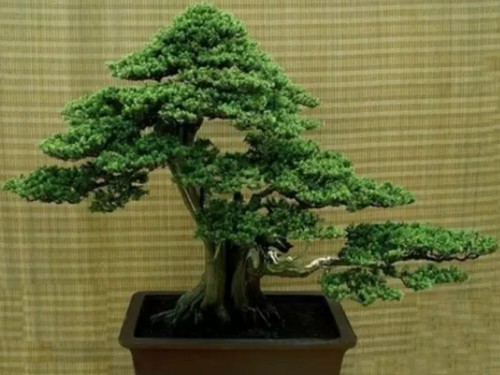
How to grow a Chinese juniper bonsai? All the care methods are right here
Chinese juniper is a variety of cypress and a relatively common landscape tree species. It is loved by many garden artists and is suitable for garden landscaping in various styles. In addition, Chinese juniper can also be grown in pots and made into bonsai art, with a very good ornamental effect.
-
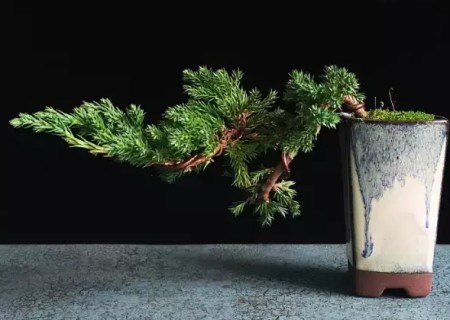
What to Do When the Leaves of a Chinese Juniper Bonsai Turn Yellow? Cause Analysis and Control Measures
Ground juniper, also known as creeping juniper and prostrate juniper, is an evergreen shrub of the genus Juniperus in the cypress family. The plant is low-growing, with no upright trunk; its branches grow in a creeping manner, parallel and slanting upward or close to the ground. The bark of the trunk is smooth when young and becomes rather rough after growing for some time. Its branchlets grow densely, and the leaves are needle-like with pointed tips
-
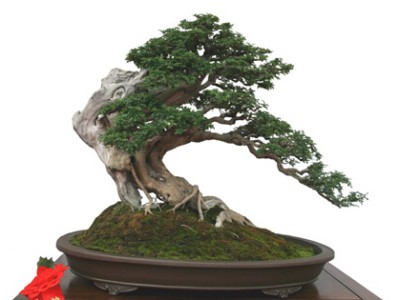
Detailed Explanation of the Methods and Steps for Making Juniper Bonsai
Juniper, also known by people as Chinese juniper, is an evergreen tree of the Cupressaceae family. Because it can be enjoyed in all four seasons, it has relatively high ornamental value and is also widely used in landscape design, making it a tree species deeply loved by people. Although its landscape application is the most common way it is used
-
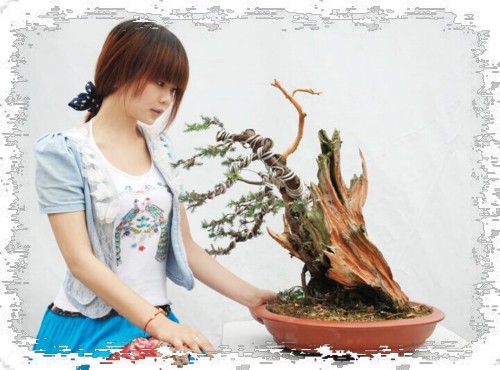
How to make a Chinese juniper bonsai? Detailed explanation of the techniques and methods
Chinese juniper, also known as juniper, Taiwan juniper, and needle pine, is an evergreen tree of the genus Juniperus in the Cupressaceae family. Its bark is brown, with longitudinal grooves, and peels off in strips. The branches are sparse and grow upward, while the branchlets droop, are triangular in cross-section, initially green, and later turn reddish brown. The leaves are borne in whorls of three, needle-shaped, with sharp tips, a slightly concave surface, and a slightly raised midrib
-
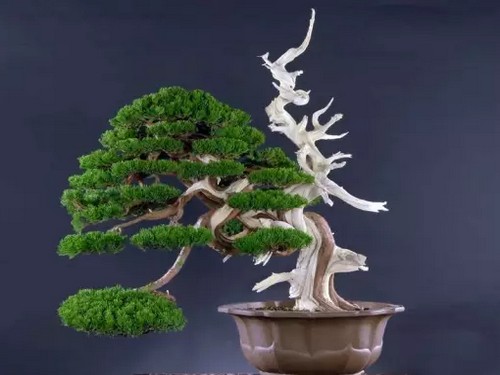
Detailed Guide to the Methods and Techniques for Creating Chinese Juniper Bonsai
Chinese juniper bonsai has long been famous in bonsai circles at home and abroad for its old trunks and gnarled branches, fine dense foliage and elegant posture. Especially in Japanese bonsai exhibitions, shari (deadwood) trunks made from century-old junipers are commonly seen, with white deadwood and red bark alternating, resembling a roaming dragon, vigorous and antique, truly possessing an immortal's bearing, and can be called a superior product among bonsai. Chinese juniper in the Taiwan, China potted plant community
条件筛选