-
What are the field management measures for wheat and rapeseed during the overwintering period?
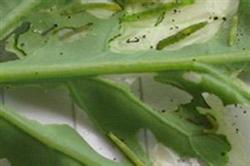
The diamondback moth is one of the main pests on rapeseed. In the central Jiangsu region, it can occur 3-4 generations in a single rapeseed growing season, with overlapping generations. When temperatures rise above 12°C (March-April), it is the peak period of damage. When rapeseed seedlings have 8-10 leaves, field inspections should be carried out. When larvae reach 20 or more per square meter, pesticide control should be applied immediately, ...
-
New tricks for winter management of rapeseed: master the methods to help it overwinter
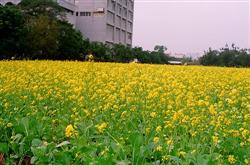
Generally, the boron content in cruciferous crops is higher than in monocotyledonous crops; usually, crops with a high boron content also have a high boron requirement. Boron can promote the normal development of the reproductive organs of boron-loving crops such as rapeseed, accelerate pollen germination and pollen tube elongation, and facilitate fertilization and seed setting. When boron is deficient, these organs may wilt...
-
How to grow bitter melon in winter? Detailed methods and techniques
How should chives grown in a greenhouse be managed? What should be noted? When growing chives in a greenhouse, note: 1. Temperature management. Chives prefer a cool environment, and the suitable temperature for growth is 15°C-24°C, so ventilation should be provided appropriately during the day. To promote sprouting, after the shed is closed, the daytime temperature should be controlled at 18°C-25°C; after sprouting, the daytime temperature should be controlled at...
-
Detailed Explanation of Spring Corn Intercropping with Autumn Cucumber Cultivation Techniques
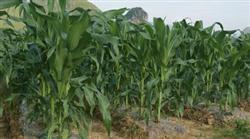
(1) Scope of application: Suitable for promotion and application in dryland corn planting areas covered with plastic film. (2) Operating procedures: 1. Land selection: Choose plots with flat terrain, deep soil layers, loose soil texture, medium or above fertility, and strong water and fertilizer retention capacity. 2. Land preparation: After harvesting the previous crop, immediately clear stubble and prepare the land, then...
-

Detailed Explanation of Key Technical Points for Safe Overwintering of Rana chensinensis
Safe Overwintering Techniques for Rana chensinensis
-
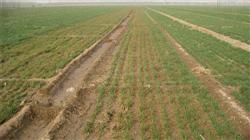
Spring Field Management Measures for Winter Wheat in Northern Xinjiang
Green-up Stage Management: After the beginning of spring (late March to early April), carry out spring harrowing in a timely manner, with a harrowing depth of 5 cm. Harrowing with a smoothing harrow or diagonal harrowing is preferable. Green-up fertilizer should be applied just before or at the early stage of wheat green-up, and it is advisable to apply more to weak seedlings, less or none to strong seedlings, and none to excessively vigorous seedlings. For wheat fields where the total number of stems per mu before winter is less than 400,000 and the wheat seedlings are growing weakly, late...
-
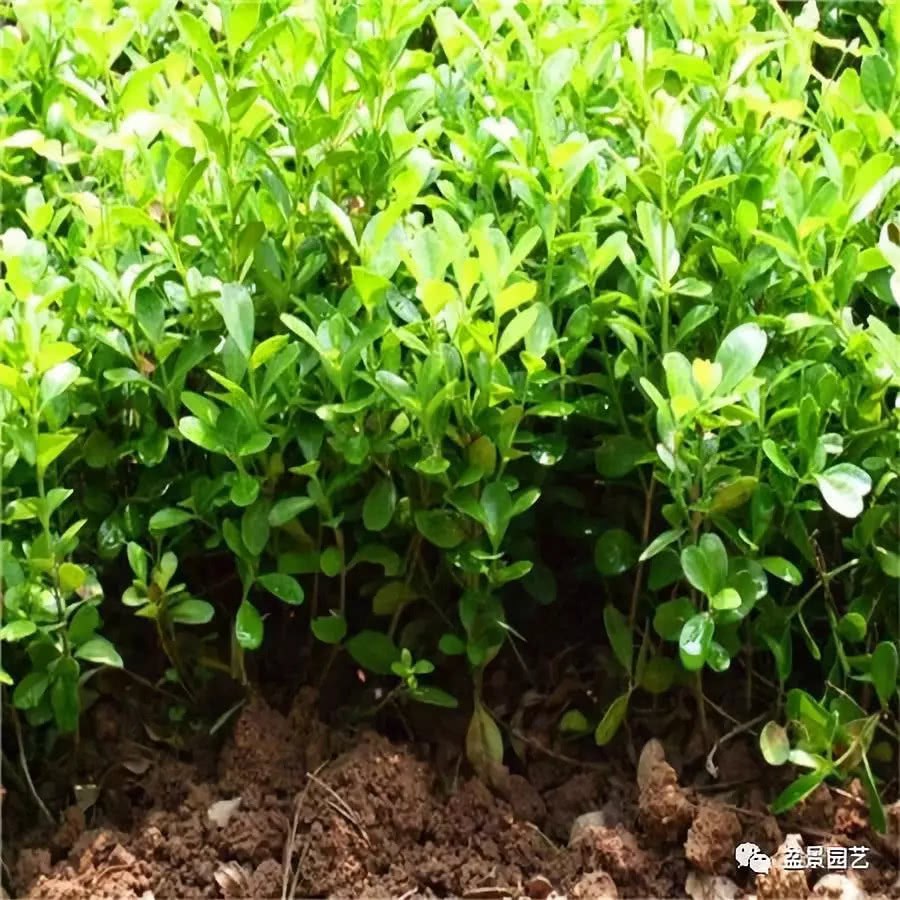
What care and management does boxwood need before winter arrives?
Proper care for boxwood is not only for winter but for the whole year. Only with proper irrigation and fertilization can the boxwood's own resistance be strengthened; this is the most basic rule for overwintering. Set up for boxwood...
-

Detailed Explanation of Key Technical Points for Overwintering White Pomfret Fry
Overwintering Techniques for White Pomfret Fry
-
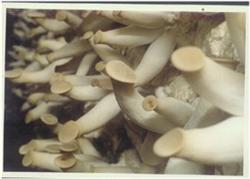
Key Techniques for High-Yield Cultivation of King Oyster Mushroom in Winter and Spring
Cultivating king oyster mushroom in winter and spring is not only easy to achieve high yields, but the mushrooms also have thick, tender flesh, a delicious taste and rich nutrition, making them highly popular with consumers. The main techniques for high-yield cultivation of king oyster mushroom in winter and spring are as follows: 1. Cultivation time. From spawning to fruiting takes about 50 to 60 days. Generally, bag preparation and cultivation can be scheduled from October of the current year to February of the following year, and fruiting can occur from November of the current year to March of the following year. Cultivation can be done indoors or in outdoor greenhouses.
-
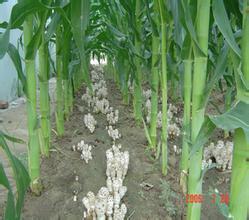
Key Technical Points for Intercropping Shaggy Mane Mushrooms in Pepper Fields
Intercropping shaggy mane mushrooms (Coprinus comatus) in pepper fields is a good way to cultivate them in a semi-wild manner. It can save the expense of building mushroom houses, does not take up extra space, and can greatly increase the economic benefit per unit of land area. Generally, after the peppers are planted, trenches are dug in the middle of the pepper rows, material is laid, and mushroom spawn is scattered. For the convenience of managing and harvesting the mushrooms...
条件筛选