-
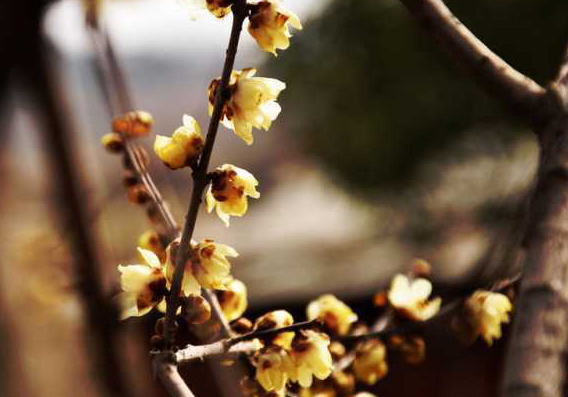
How to prune potted wintersweet (Chimonanthus praecox)? A detailed guide to the correct method
Wintersweet has strong branching ability. Pruning encourages it to sprout more thick, sturdy flower-bearing branches, and only then will it bloom more. Pruning should be done after the flowers fade and before the leaves emerge. This is because pruning too late easily causes the growth of water sprouts, which consume nutrients and water, leading to poor flower bud differentiation and affecting blooming. The pruning method is to first thin out dead branches
-
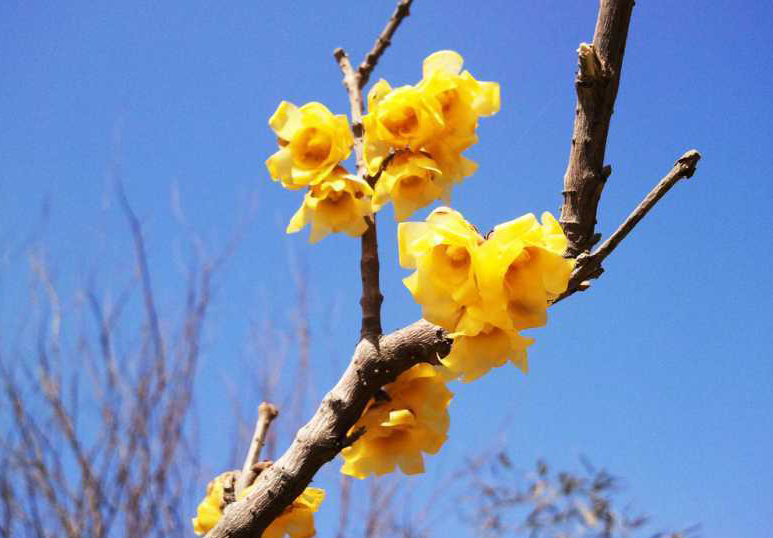
How to shape a potted wintersweet? Introduction to common shaping methods
Wintersweet has strong growth vigor, sprouts branches easily, and tolerates pruning, making it suitable for training as a stump bonsai. The common shaping method for the "hanging-branch plum" is as follows: in early spring, plant an old dog-tooth wintersweet (Chimonanthus praecox var. grandiflorus) that has a "knot" on the root crown into a pot; when planting, take care to leave part of the "knot" exposed above the pot rim. After planting, cut off all the branches on the upper part of the plant
-

Detailed Explanation of Key Winter Management Techniques for Bitter Gourd
Key Winter Management Techniques for Bitter Gourd
-

What are the growing environment requirements of winter jasmine?
Winter jasmine is also known as golden belt. It is a deciduous shrub in the Oleaceae family. It grows 2 to 3 days tall, with slender branches that arch, curve and droop; leaves are opposite, with ovate to elliptical leaflets; the corolla is yellow and salverform. In early spring it grows leaves first and then blooms, hence the name winter jasmine. 1. It likes light, tolerates cold, drought and alkaline soil, but fears waterlogging.
-
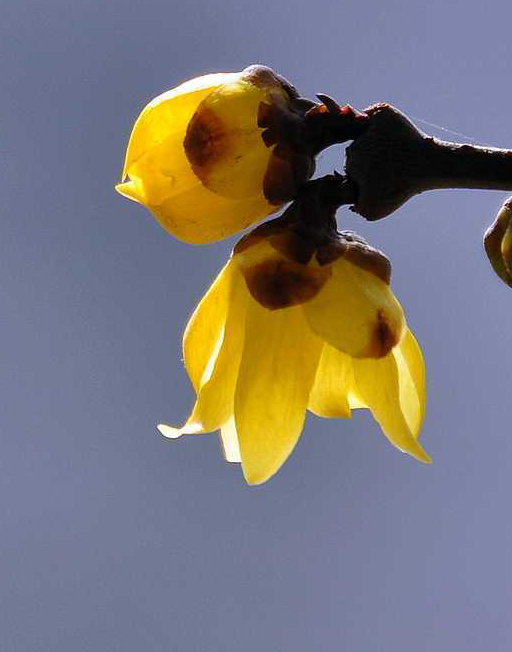
How to grow wintersweet (Chimonanthus praecox)? Detailed care methods and precautions
Wintersweet propagation methods include seed sowing, grafting, division, cuttings, and layering. Grafting is the most widely used, because it can produce superior varieties. 1. Cleft grafting. Cleft grafting is commonly used for wintersweet. For cleft grafting, use dog-tooth wintersweet or wintersweet seedlings as rootstock. Select a sturdy two-year-old wintersweet branch
-
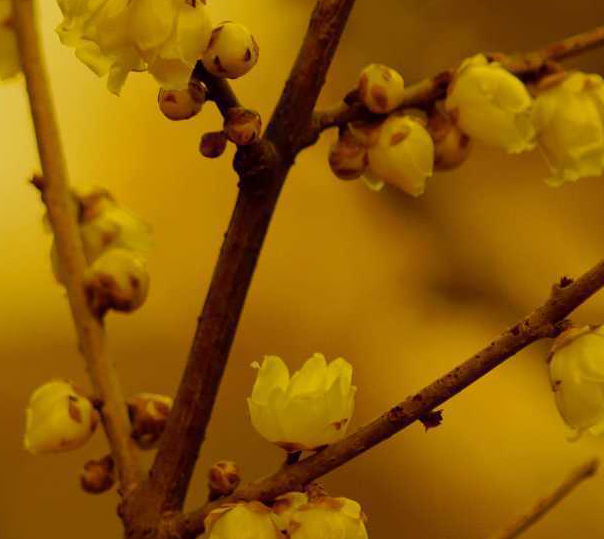
How to grow potted wintersweet (Chimonanthus praecox) so it blooms more?
Wintersweet likes sunlight, tolerates slight half-shade, is drought-tolerant and afraid of waterlogging, and is best planted in sandy loam rich in humus. To make it bloom more, choose a large, deep cylindrical flowerpot for pot cultivation, and use loose, fertile, well-drained sandy loam as the growing medium. When potting, apply decomposed base fertilizer at the bottom of the pot. It is best to repot once a year or every other year.
-

Detailed measures for cold protection and overwintering of papaya to ensure the plants survive the winter safely
Cold protection and overwintering measures for papaya
-

How to care for Phalaenopsis orchids in winter? Keep these key points in mind
Because Phalaenopsis orchids originate from tropical regions, they cannot tolerate severe cold. When winter temperatures are on the low side, improper cultivation can cause necrotic black spots to appear on the leaves, which then fall off, leading to the death of the entire plant. In the north, winter cultivation requires a heated greenhouse, so we specifically introduce the key points of its winter management
-

How Are Wintersweet Bonsai? Advantages and Disadvantages Explained at Once
Wintersweet (Chimonanthus praecox) generally blooms during the cold winter months, that is, from December each year to March of the following year. Its flower colors are mainly red, yellow and white, and its fragrance has a solid, rich quality. Wintersweet bonsai is usually grown both outdoors and indoors, thanks to the plant's tenacious ability to survive
-
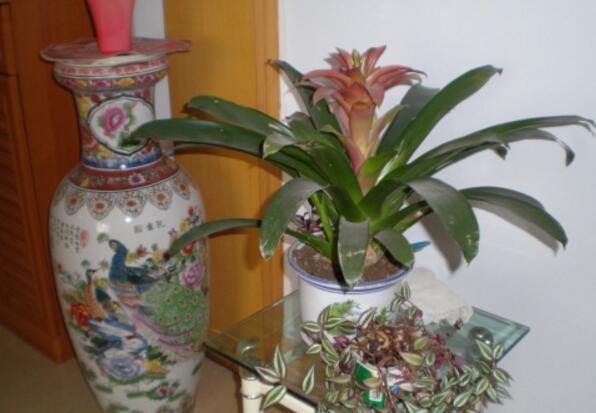
Bromeliad winter watering method: best to water and fertilize together
In flower cultivation, watering is a link that cannot be ignored. Once you get it wrong, it triggers all kinds of problems - you could say it is a real pain. And among these, watering bromeliads requires particular attention, because their roots cannot absorb water - all nutrients and moisture are absorbed through the leaves. So how do you water a bromeliad?
条件筛选