What are the growing environment requirements of winter jasmine?
Winter jasmine is also known as golden belt. It is a deciduous shrub in the Oleaceae family. It grows 2 to 3 days tall, with slender branches that arch, curve and droop; leaves are opposite, with ovate to elliptical leaflets; the corolla is yellow and salverform. In early spring it grows leaves first and then blooms, hence the name winter jasmine.
1. It likes light, tolerates cold, drought and alkaline soil, but fears waterlogging. It grows luxuriantly in sunny, fertile, well-drained soil. It has strong sprouting ability and tolerates pruning. It is usually propagated by cuttings, layering and division. Softwood cuttings are best taken in late spring and early summer; after planting, shade them and keep the medium moist, and they root very easily.
2. For planting in the ground, choose a sheltered, sunny spot at higher elevation. Before planting, level the soil, apply plenty of base fertilizer and water thoroughly. Apply one round of dilute cake fertilizer water before and after flowering, and in a spring drought water several times so the branches and leaves stay vigorous and flowering is abundant. After flowering each year, prune hard, cutting long branches off at the base to encourage new shoots, so that more flowers are produced the following year. If grown as a green wall or a trailing feature, prune twice a year: remove old and overcrowded branches in winter and spring, then trim again in summer as needed to shape it, which will give a more balanced crown and lush leaves and flowers the following year.
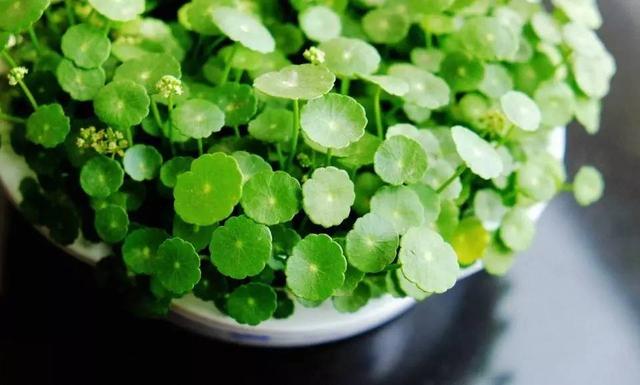
Seedling stage
The seedling stage refers to the period from breaking through the soil until 3 to 4 true leaves have formed. At this stage the roots are shallow and the seedlings small; for plants grown in garden soil, basically no additional fertilizing is needed; but for plants grown in a low-fertility medium, when the temperature is suitable, you may fertilize as appropriate, taking care to use less than during the vigorous growth stage.
As for watering, before the cotyledons open the soil should be kept moist; after the cotyledons open, you can switch to watering thoroughly whenever the surface soil looks dry.
For perennial plants, this care method applies to the early sprouting stage of bulbous plants and the early sprouting stage of various woody plants, especially those with a deciduous dormant habit; when they begin to sprout again, some species will be in sync with the bud stage, or will not appear until after flowering, and usually the duration is very short.
Recovery stage
During the recovery stage, the care method is rather special. The care method for this period can be borrowed entirely from dormant-period care, that is, stop fertilizer but not water; water as usual, watering thoroughly whenever the surface soil looks dry. Since at this stage the root system has not yet grown well and is sensitive to fertilizer, there is no need to consider additional fertilizing.
During the recovery stage, regardless of what habit the plant has, generally speaking it is recommended to place it in bright indirect light in a ventilated spot and hold off on sun exposure for now; once it resumes growth later, care for it according to its own habit (sun-loving ones must be given sun; shade-loving ones stay in bright indirect light in a ventilated spot). For a few very tough plants, such as moss rose and inch plant, types that root easily even from cuttings, appropriate sun exposure during the recovery stage will not affect their survival, and such plants are even easier to manage.
Vigorous growth stage
At this stage the plant grows rapidly and is one of the periods when it needs water and fertilizer. The watering method is also to water thoroughly whenever the surface soil looks dry; the only thing you can control is the frequency. Whether in pots or in the ground, as long as the temperature is suitable, you may fertilize as appropriate. After all, there is an important principle for additional fertilizing: no fertilizer until new leaves (buds) appear. For plants grown mainly for foliage, the fertilizer should contain a somewhat higher proportion of nitrogen; for plants grown mainly for flowers and fruit, you may appropriately add fertilizer with more phosphorus and potassium.
Different types of plants have different times when the vigorous growth stage occurs.
Annual plants: it occurs in the early growth period, that is, the time from the seedling stage until just before budding.
Foliage plants: spring and autumn, when the temperature is suitable, are the vigorous growth stages.
Woody plants: it depends mainly on the species; for some, the vigorous growth stage is also the period when young fruit swell and grow, especially fruit trees like apple, peach and pear.
Flowering stage
Different types of plants have different requirements. For those that flower seasonally and have a very short total flowering period, such as apple, pear and apricot, during full bloom the flowers are relatively sensitive to fertilizer, so it is not recommended to fertilize when they are blooming heavily. There are also plants that bloom continuously all year with a very long flowering period, such as petunia, dianthus, geranium and moss rose; during heavy bloom, when the temperature is suitable, you may fertilize as appropriate (fertilizer with more phosphorus and potassium).
Watering method: likewise water thoroughly whenever the surface soil looks dry; this method is basically universal and applies to almost all plants.
Bud stage and fruiting stage
This period is also when plants need water and fertilizer most. Unlike simply growing leaves, the growth of buds and fruit consumes nutrients, whereas the growth of leaves accumulates nutrients.
But different types of plants also differ in when this stage occurs.
Annual and biennial plants with short growing periods will experience it in the middle to late part of growth, such as sunflower, various beans and rapeseed.
For perennials the differences are even greater: some occur before leaf growth, such as various Lycoris species and woody plants that bloom in early spring, especially those that flower before leafing out, such as forsythia, winter jasmine and magnolia; some are almost in sync with the vigorous growth stage (when buds form and flowers open, the branches and leaves are also growing vigorously), such as pomegranate, crape myrtle and Jasminum floridum.
Watering method: the same as in the vigorous growth stage, water thoroughly whenever the surface soil looks dry, adjusting the frequency appropriately according to the plant's growth and temperature changes.
Dormant stage
This stage is the period when the plant rests and recuperates; growth almost completely stops (applies to most plants, especially some evergreen plants) and leaves may even drop (some woody types with a winter-deciduous habit), the above-ground plant parts all wither, leaving only the perennial root or bulb state (some perennial herbaceous types), and the demand for water and fertilizer is very low.
The general care point is to stop fertilizer but not water. That means: during dormancy there is no need to fertilize; but watering is still the same as usual, watering thoroughly whenever the surface soil looks dry, only much less frequently than during normal vigorous growth and during bud formation, flowering and fruit growth. For example, for the same plant, during dormancy watering is about once every 7 to 14 days or even longer; but during normal vigorous growth, watering is about once every 4 to 7 days or even shorter.
Practical! Care methods for plants at different growth stages
Plants need different care methods at different stages, so you should treat them differently when growing flowers.
1. Seedling stage
For all kinds of plants started from seed, whether flowers or vegetables, this refers to the earliest stage of growth, from breaking through the soil until 3 to 4 true leaves have formed.
At this stage the roots are shallow and the seedlings small; for plants grown in garden soil, basically no additional fertilizing is needed; but for plants grown in a low-fertility medium, when the temperature is suitable, you may fertilize as appropriate, taking care to use less than during the vigorous growth stage.
As for watering, before the cotyledons open the soil should be kept moist; after the cotyledons open, you can switch to watering thoroughly whenever the surface soil looks dry.
For perennial plants, this care method applies to the early sprouting stage of bulbous plants and the early sprouting stage of various woody plants (especially those with a deciduous dormant habit; when they begin to sprout again, some species will be in sync with the bud stage, or will not appear until after flowering, and usually the duration is very short).
2. Recovery stage
This is a special stage that occurs when a plant has been transplanted or newly purchased and its growing environment has changed greatly; its care method has nothing to do with what stage the plant is in.
During the recovery stage, the care method is rather special; the care method for this period can be borrowed entirely from dormant-period care, that is, stop fertilizer but not water; water as usual, watering thoroughly whenever the surface soil looks dry. Since at this stage the root system has not yet grown well and is sensitive to fertilizer, there is no need to consider additional fertilizing.
As for how long it takes for the plant to resume growth, it all depends on how it performs.
When transplanting, if few roots are damaged, the plant is herbaceous and the seedling is small, then the recovery stage will be relatively short; if transplanting is done bare-root or with fairly serious root damage, and the plant is woody and the seedling large, then the recovery stage will be relatively long.
During the recovery stage, regardless of what habit the plant has, generally speaking it is recommended to place it in bright indirect light in a ventilated spot and hold off on sun exposure for now; once it resumes growth later, care for it according to its own habit (sun-loving ones must be given sun; shade-loving ones stay in bright indirect light in a ventilated spot). For a few very tough plants, such as moss rose and inch plant, types that root easily even from cuttings, appropriate sun exposure during the recovery stage will not affect their survival, and such plants are even easier to manage.
2. Vigorous growth stage
At this stage the plant grows rapidly and is one of the periods when it needs water and fertilizer.
The watering method is also to water thoroughly whenever the surface soil looks dry; the only thing you can control is the frequency.
Whether in pots or in the ground, as long as the temperature is suitable, you may fertilize as appropriate. After all, there is an important principle for additional fertilizing: no fertilizer until new leaves (buds) appear. For plants grown mainly for foliage, the fertilizer should contain a somewhat higher proportion of nitrogen; for plants grown mainly for flowers and fruit, you may appropriately add fertilizer with more phosphorus and potassium.
Different types of plants have different times when the vigorous growth stage occurs.
Annual plants: it occurs in the early growth period, that is, the time from the seedling stage until just before budding.
Foliage plants: spring and autumn, when the temperature is suitable, are the vigorous growth stages.
Woody plants: it depends mainly on the species; for some, the vigorous growth stage is also the period when young fruit swell and grow, especially fruit trees like apple, peach and pear.
4. Flowering stage
This is also a special period, and different types of plants have different requirements.
For those that flower seasonally and have a very short total flowering period, such as apple, pear and apricot, during full bloom the flowers are relatively sensitive to fertilizer, so it is not recommended to fertilize when they are blooming heavily.
There are also plants that bloom continuously all year with a very long flowering period, such as petunia, dianthus, geranium and moss rose; during heavy bloom, when the temperature is suitable, you may fertilize as appropriate (fertilizer with more phosphorus and potassium).
As for the watering method, likewise water thoroughly whenever the surface soil looks dry; this method is basically universal and applies to almost all plants.
5. Bud stage and fruiting stage
This period is also when plants need water and fertilizer most. Unlike simply growing leaves, the growth of buds and fruit consumes nutrients, whereas the growth of leaves accumulates nutrients.
But different types of plants also differ in when this stage occurs.
Annual and biennial plants with short growing periods will experience it in the middle to late part of growth, such as sunflower, various beans and rapeseed (considering the time of harvesting the seed).
For perennials the differences are even greater: some occur before leaf growth, such as various Lycoris species and woody plants that bloom in early spring, especially those that flower before leafing out, such as forsythia, winter jasmine and magnolia; some are almost in sync with the vigorous growth stage (when buds form and flowers open, the branches and leaves are also growing vigorously), such as pomegranate, crape myrtle and Jasminum floridum.
Watering method
The same as in the vigorous growth stage, water thoroughly whenever the surface soil looks dry, adjusting the frequency appropriately according to the plant's growth and temperature changes.
But for plants grown mainly for foliage, since the flowers and fruit are less ornamental than the leaves, and sometimes, in order to make the leaves grow better, you may instead need to remove the flowers and fruit (such as pennywort and baby rubber plant) to avoid excessive nutrient consumption, so for such plants this stage basically does not apply.
6. Dormant stage
This stage is the period when the plant rests and recuperates; growth almost completely stops (applies to most plants, especially some evergreen plants) and leaves may even drop (some woody types with a winter-deciduous habit), the above-ground plant parts all wither, leaving only the perennial root or bulb state (some perennial herbaceous types), and the demand for water and fertilizer is very low.
The general care point is to stop fertilizer but not water.
That means: during dormancy there is no need to fertilize; but watering is still the same as usual, watering thoroughly whenever the surface soil looks dry, only much less frequently than during normal vigorous growth and during bud formation, flowering and fruit growth. For example, for the same plant, during dormancy watering is about once every 7 to 14 days or even longer; but during normal vigorous growth, watering is about once every 4 to 7 days or even shorter.
A few additional points
1. Plant dormancy is affected by multiple conditions together; besides low winter temperatures, it is also related to short-day conditions. In summer, when the weather is too hot and too dry, it can also cause plant dormancy.
This depends not only on habit but also on other conditions together; after all, dormancy is the plant's way of resisting unfavorable environments.
2. Repotting is major surgery, and how to do it also depends on the conditions. Generally speaking, doing it during the dormant stage and the early growth stage has the least effect on the plant, even negligible; but if it coincides with the recovery stage, vigorous growth stage, bud stage, flowering stage or fruit-growing stage, then there will be adverse effects, ranging from delaying growth to abnormal flower and fruit drop in serious cases. Except for some plants that go dormant in summer, for most plants midsummer is the least suitable time to repot, especially during high temperatures. In short, no matter what, repotting should be done with extra care, and you should choose the right timing before considering it.
The material for this article comes from the internet and was edited and compiled by TheNaturePlanet; the copyright belongs to the original author. Thanks to the original author for the hard work. If reposted, it is only for information sharing. If reposting involves copyright or other issues, please contact us and we will delete it, thank you!