How to grow potted wintersweet (Chimonanthus praecox) so it blooms more?
Wintersweet likes sunlight, tolerates slight half-shade, is drought-tolerant and afraid of waterlogging, and is best planted in sandy loam rich in humus. To make it bloom more, choose a large, deep cylindrical flowerpot for pot cultivation, and use loose, fertile, well-drained sandy loam as the growing medium. When potting, apply decomposed base fertilizer at the bottom of the pot. It is best to repot once a year or every other year, and repotting should be done before sprouting in spring. Normally place it in a sunny spot. Wintersweet likes fertilizer; in spring, apply leaf-expanding fertilizer twice, and from the end of June to before the dog days, apply a compound liquid fertilizer once every 10-15 days. The dog days are exactly the flower bud differentiation period, and also the peak period of new root growth, so apply 1-2 more applications of phosphorus and potassium fertilizer to promote flower bud differentiation. However, during the dog days, fertilizer should be applied thinly, otherwise it easily causes root rot. After the autumn cools, apply a dry fertilizer once (about 50 g of cake fertilizer powder each time) to plump up the flower buds, and before winter, apply a thin compound liquid fertilizer once more to supply the nutrients needed for blooming. When fertilizing wintersweet, phosphorus and potassium fertilizer should be the main components, with a moderate amount of nitrogen fertilizer; the approximate ratio of the three is 2:1:0.5, which can make wintersweet flowers larger, more numerous, and more fragrant.
Wintersweet is drought-tolerant; there is a saying that wintersweet will not die of drought. But it dislikes water accumulation. If watered too much and the pot soil is too wet, the plant grows poorly, and with too much water during the flowering period it easily drops flowers; if the pot soil is too dry, it is also not good for its growth, and the flowers will be sparse and irregular, so the pot soil is best kept in a semi-moist state. In summer, when the weather is hot, it must not lack water; during the peak growth period, water a little more, and during the growth stagnation period, control the amount of watering and stop fertilizing. Wintersweet has strong sprouting ability, so after the flowers fade it can be heavily pruned to encourage more branches and more flowers. When the flowers fade, remove the spent flowers as early as possible and do not let them set seed, so as to reduce nutrient consumption and help it bloom abundantly the following year. In the north, move the flowerpot indoors to a low-temperature, sunny place at the end of October or the beginning of November for care, and it will bloom at the right time.
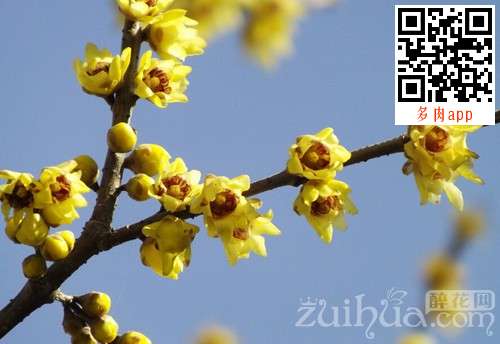
I. Main reasons why potted wintersweet grows luxuriantly but does not bloom
① The plant cultivated is a seedling. Wintersweet seedlings grown from seed need 3-5 years of growth to enter the flowering and fruiting stage. Therefore, although potted seed-grown seedlings have sufficient water and fertilizer and lush branches and leaves, they will not bloom early.
② Too much nitrogen fertilizer. Some wintersweet plants, due to uncontrolled water and fertilizer, especially excessive nitrogen fertilizer, produce rampant growth of branches and leaves, which affects flower bud differentiation and leads to failure to bloom. Therefore, wintersweet should be given nitrogen fertilizer in spring, and in summer and autumn, more phosphorus and potassium fertilizer should be applied, with less or no nitrogen fertilizer, to promote earlier flower bud differentiation.
③ Excessive shade and moisture. Wintersweet likes light, and insufficient light will affect flower bud differentiation; pot soil that is too wet or a location that is too shady and damp is also not conducive to flower bud differentiation. For this reason, at the end of summer and beginning of autumn, water should be withheld, and it should always be placed in a place with ample sunlight; this greatly helps the formation and swelling of flower buds.
④ No pinching or topping. For wintersweet that has already entered the flowering stage, if during the spring and summer vegetative growth period it is allowed to sprout branches freely without necessary topping and shoot control, then uncontrolled vegetative growth will likewise affect flower bud differentiation and growth. Generally, when 3-5 pairs of leaves have emerged at the shoot tip, promptly remove the top 1/3 to promote the sprouting of lower side buds and normal flower bud differentiation. At the end of summer and beginning of autumn, topping and pinching must not be neglected.
II. Methods to make wintersweet bloom more
Wintersweet bears flowers on branches of the current year, so after flowering it should be heavily pruned, leaving 3-4 thick main branches per pot and cutting off all the rest. Afterward, pinch each new branch once it emerges; this makes the branches grow thick and short, and there will be more flowers the following year.
Wintersweet likes fertilizer, so repot every year and apply sufficient base fertilizer when repotting. When new branches sprout, apply nitrogen fertilizer as a top dressing, and when buds form, apply more phosphorus and potassium fertilizer. The day after fertilizing, water thoroughly once to help the roots absorb nutrients.
Wintersweet is drought-tolerant, so when watering, it is better to keep it dry than wet, and when watering, water thoroughly. Too much water will make wintersweet drop leaves and affect flower bud formation. After flowering, remove spent flowers promptly to prevent seed set, which would affect blooming the following year.
Summary: The above is an analysis of the reasons why potted wintersweet does not bloom; we hope it is helpful to everyone.