-

Key Technical Points and Operation Methods of Vegetable Grafting Explained
Abstract Top-insertion grafting method: Pull the bamboo skewer inserted in the rootstock out, then insert the trimmed scion into the hole, with the scion cotyledons and rootstock cotyledons forming a "cross" shape. Approach grafting method: Insert the scion cut into the rootstock stem cut, the two cuts need to fit tightly together, then use a grafting clip ⟦4 <p class="cintro"><span>Abstract</span>Top-insertion grafting method: Pull the bamboo skewer inserted in the rootstock out, then insert the trimmed scion into the hole, with the scion cotyledons and rootstock cotyledons forming a "cross" shape. Approach grafting method: Insert the scion cut into the rootstock stem cut, the two cuts need to fit tightly together, then use a grafting clip to secure the joint. Cleft grafting method: Insert the trimmed scion into the cleft, keeping the rootstock and scion surfaces level, then use a grafting clip for securing.</p> <p></p> <p><strong>I. Vegetable Grafting Techniques</strong></p><p>1. Top-insertion grafting method</p><p>(1) Removing the rootstock growing point: A blade or bamboo skewer can be used to cut off the true leaves and growing point of the rootstock.</p><p>(2) Cutting the rootstock: A bamboo skewer with the same thickness as the scion hypocotyl and a wedge-shaped tip can be used, then insert it at a downward slant from the main vein of one cotyledon of the rootstock toward the other cotyledon to a depth of 1cm; generally, it is best if the outer epidermis is not pierced and the bamboo skewer is faintly visible.</p><p>(3) Cutting the scion: At 1-1.5cm below the cotyledon node, use a blade to cut it into a wedge-shaped face with a bevel length of 1cm.</p><p>(4) Grafting: Pull the bamboo skewer inserted in the rootstock out, then insert the trimmed scion into the hole, with the scion cotyledons and rootstock cotyledons forming a “cross” shape.</p><p></p><p>2. Approach grafting method</p><p>(1) Removing the rootstock growing point: A blade or bamboo skewer can be used to cut off the true leaves and growing point of the rootstock.</p><p>(2) Cutting the rootstock: At 0.5-1cm below the cotyledons, use a blade to make a downward slanting cut, with the depth needing to reach 1/2 of the stem thickness.</p><p>(3) Cutting the scion: Make an upward slanting cut at the corresponding part of the scion, generally with the depth reaching 1/2 of the stem thickness, and the cut length the same as the rootstock cut.</p><p>(4) Grafting: Insert the scion cut into the rootstock stem cut, the two cuts need to fit tightly together, then use a grafting clip to secure the joint.</p><p>(5) Root cutting: After grafting, plant the rootstock and scion together into a nutrient pot, about 1cm apart, with the joint about 3cm from the soil surface; wait 7 days for the joint to heal, then cut off the scion root; generally after 10-15 days, the grafting clip can be removed.</p><p></p><p>3. Cleft grafting method</p><p>(1) Removing the rootstock growing point: A blade or bamboo skewer can be used to cut off the true leaves and growing point of the rootstock.</p><p>(2) Cutting the rootstock: From between the 2 cotyledons, split the young stem downward, with a length of 1-1.5cm.</p><p>(3) Cutting the scion: Cut the scion young stem into a wedge shape, with a cut surface length of 1-1.5cm.</p><p>(4) Grafting: Insert the trimmed scion into the cleft, keeping the rootstock and scion surfaces level, then use a grafting clip for securing.</p><p></p><p><strong>II. Suitable Grafting Time for Vegetables</strong></p><p>1. Cucurbits: When the cotyledons are fully expanded and when the true leaves appear, this is the suitable grafting period.</p><p>2. Eggplant: When the rootstock has grown 3-4 true leaves and the scion has grown 2-3 true leaves, grafting requires retaining 1 true leaf.</p><p>3. Tomato: When the rootstock has grown 4-5 true leaves and the scion has grown 2-3 true leaves, grafting requires retaining 1 true leaf.</p>
-
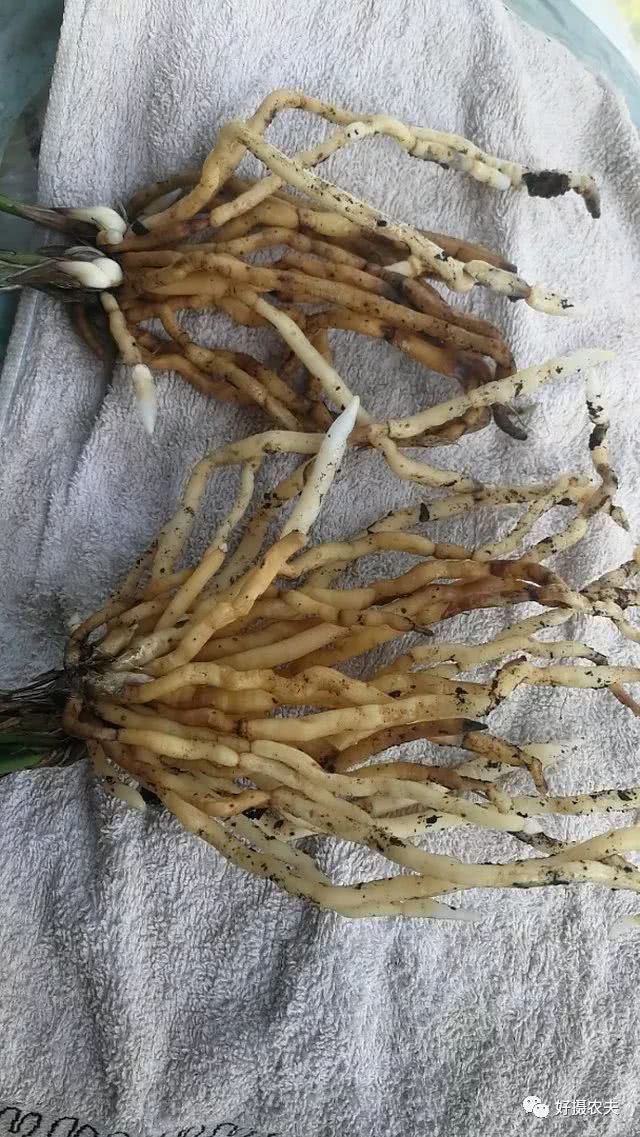
Orchid enthusiasts insert two plastic tubes into the orchid pot, and never have to worry about orchid root rot again
This is a photo of a Cymbidium goeringii that an online orchid enthusiast divided in April this year. According to this enthusiast, he bought this seedling in December 2016 and divided it in April 2018. He had always been growing it in a small porcelain pot. Originally, we do not advocate growing orchids in porcelain pots...
-
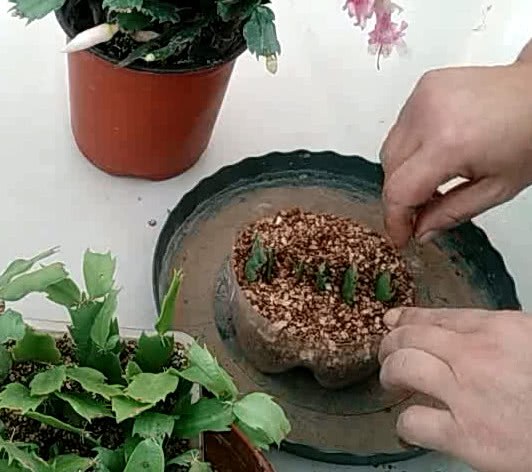
Insert one leaf of a Christmas cactus (Schlumbergera) into the soil, and dozens of brightly flowering plants will grow
For propagating Christmas cactus by cuttings, as long as the temperature is around 20 degrees, it can actually root successfully; spring and autumn are best, when the temperature is suitable and it is the peak growing season for Christmas cactus, and after the cuttings take root they also grow relatively fast. Propagating Christmas cactus...
-
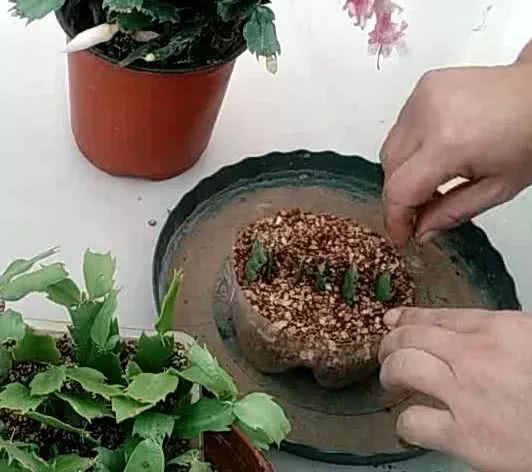
Insert one leaf of a Christmas cactus (Schlumbergera) into the soil, and dozens of brightly blooming plants will grow
For Christmas cactus cuttings, as long as the temperature is around 20 degrees, they can actually all take root successfully. It is best in spring and autumn, when the temperature is suitable. This is the peak growing season for Christmas cactus, and after the cuttings take root, they grow relatively quickly. Cuttings of Christmas cactus...
-
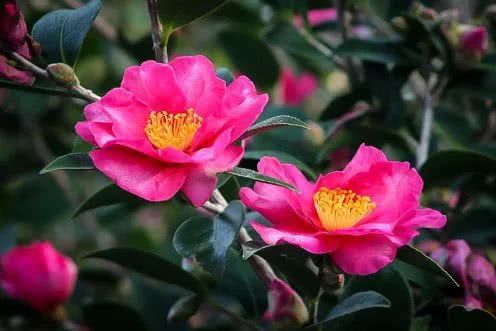
Camellia summer cutting propagation: just cut a branch, insert it in soil, and it will root and sprout
Camellias look extremely gorgeous and charming, and they are especially beautiful when in bloom. Growing some camellias on a balcony or in a yard adds very charming brilliance to the home. In fact, they are very easy to propagate, as long as...
-
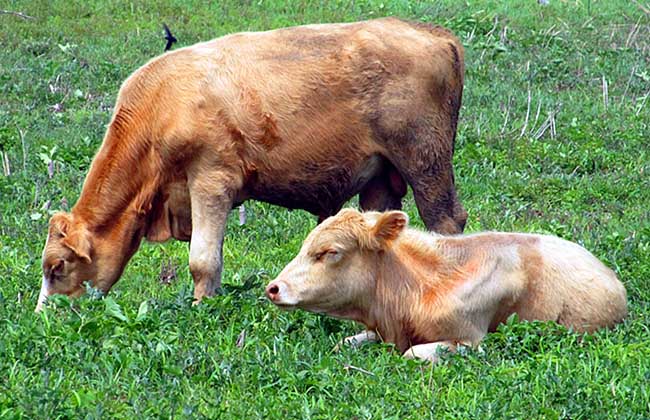
How to Treat Bovine Conjunctivitis? A Detailed Explanation of the Twig Insertion Therapy
Twig Insertion Therapy for Bovine Conjunctivitis
-
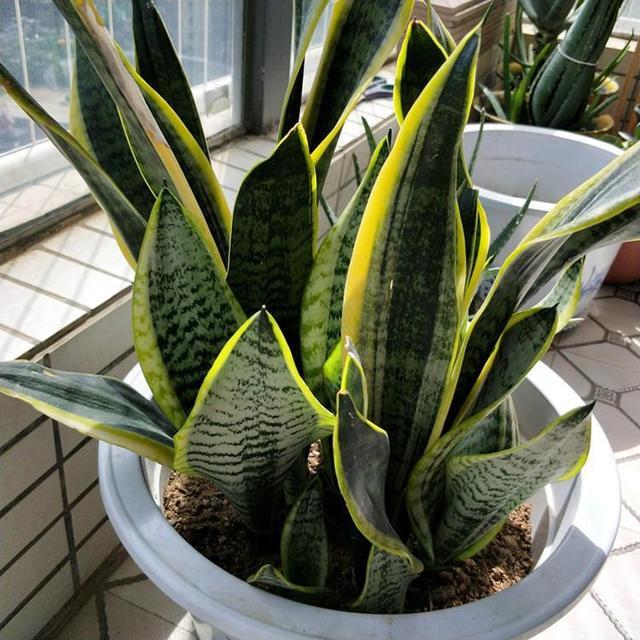
This green plant has distinctive leaf color and takes root as soon as it is inserted
Snake plant (Sansevieria) has leaves that are thick at the bottom and pointed at the top, standing upright like swords, which is quite unusual. The leaf color is also "distinctive," with alternating white and green horizontal stripes, like the markings of marble. This green plant is easy to care for, and it is grown both for its foliage and for its flowers...
-
Detailed Explanation of the Key Technical Points of the Watermelon Top Insertion Grafting Method
Key Technical Points of the Watermelon Top Insertion Grafting Method
-
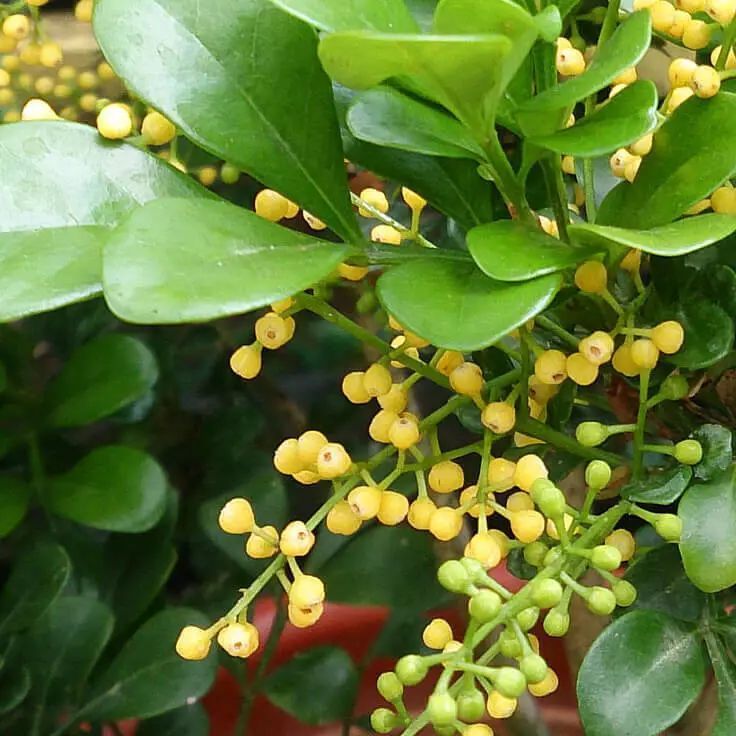
Flowers suitable for stem cuttings in summer: cut a segment of stem and insert it into soil to grow a potted plant
Although many succulents stop growing in summer, most flowering plants grow very vigorously in summer. After the flowers of the following five plants fade, you can cut off the branches and use them for cutting propagation, which can...
-
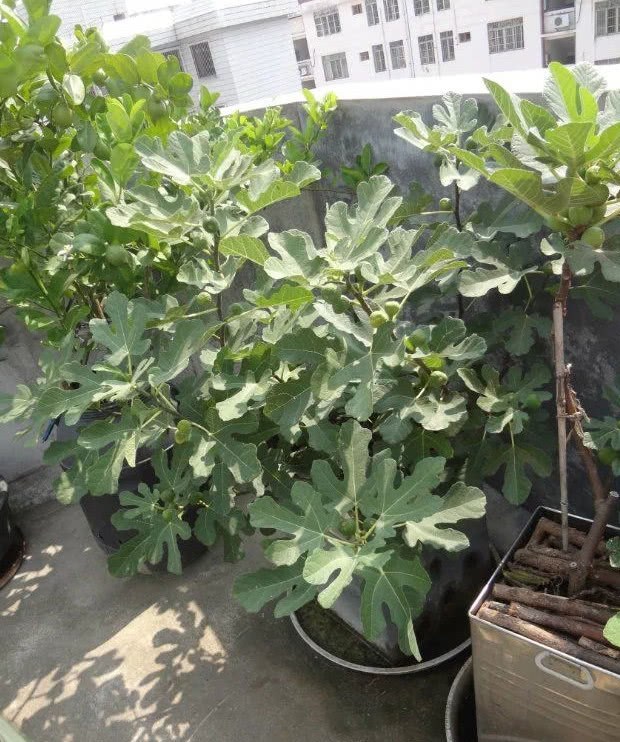
Insert a single fig branch into the soil, and a balcony potted plant will bear large and abundant fruit
For potted fruit plants, the fig is a good-to-grow, easy-to-care-for fruit that does not need much attention and bears abundantly and sweetly. Some people grow figs directly on their balconies, using only a not-too-large flower pot, placed on the rooftop to bask in the sun...
条件筛选