-
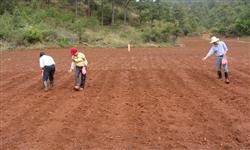
Causes of Poor Corn Emergence in Spring and Solutions
What should you do about poor corn emergence in spring? What causes poor corn emergence in spring? Experienced growers are asked to help explain. Because spring weather varies greatly, periodic low temperatures and spring waterlogging easily occur. If corn seeds remain in this low-temperature, high-humidity environment for a long time, it can very easily lead to missing plants and broken rows in corn, and death after emergence...
-
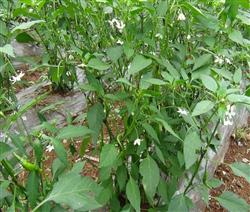
What causes pepper flower and fruit drop in spring?
Why do peppers drop flowers and fruits in spring? How to prevent and control pepper flower and fruit drop? We ask experienced netizens to help explain. Pepper cultivation often suffers flower and fruit drop due to various reasons, which reduces pepper yields. Therefore, Seedling Network has compiled the causes and prevention methods of pepper flower and fruit drop, listed in detail below for...
-
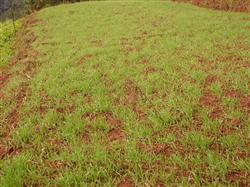
What pests and diseases need to be controlled in early spring wheat?
What pests and diseases should be controlled in early spring wheat? Please provide guidance. Early spring wheat needs the following pests and diseases controlled: For controlling sheath blight and take-all, after wheat turns green in late February, use 20-30 grams of 12.5% Hexaconazole wettable powder or 50-75 grams of 15% triadimefon wettable powder per mu, mix with 50-75 kg of water, and spray evenly on the stem base to prevent...
-
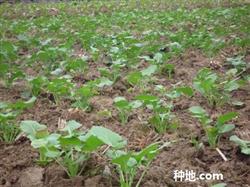
Key Technical Points for Spring Field Management of Rapeseed
How should rapeseed fields be managed in spring? Please advise. The bolting stage of rapeseed is a period of vigorous growth in both vegetative and reproductive development, known as "spring rapeseed fierce as a tiger." Due to the low temperatures and low rainfall in early spring this year, the growth and development of rapeseed has been slow, with weak growth vigor. To promote stable spring growth of rapeseed, coordinate vegetative growth and...
-
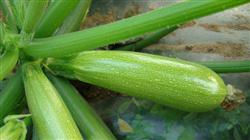
What are the key points for growing zucchini in winter and spring?
What should be noted when growing zucchini in winter and spring? Please give an introduction. When growing zucchini in winter and spring, pay attention to the following aspects: 1. Choose good varieties. For spring zucchini, choose varieties that are tolerant to low temperatures, early maturing, high yielding and disease resistant, such as Mosaic zucchini, Zaoqing Yidai, Yinqing Yidai, Golden Coral, Qishan No. 2, Zhangxuan No. 1, Black Beauty, etc...
-
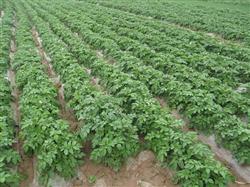
Detailed Explanation of Key Points for Virus-Free Spring Potato Cultivation Techniques
How to grow virus-free spring potatoes well? For guidance on virus-free spring potato cultivation, you can refer to the following methods: (1) Adapt to local conditions and select improved varieties: Virus-free seed potatoes have the advantages of being virus-free, having a high emergence rate, growing uniformly and consistently, and increasing yield by more than 30%. At present, the virus-free potato varieties suitable for cultivation in our city include...
-
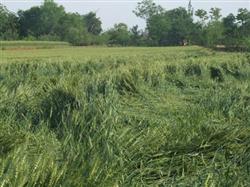
Key Technical Points for Spring Pest and Disease Control in High-Quality Wheat
1. Spraying paclobutrazol: At the wheat jointing stage, spray 30 kg of 200 ppm paclobutrazol solution per mu. This can dwarf the plants, enhance lodging resistance, and also control wheat powdery mildew and improve the plant's absorption and utilization rate of nitrogen. 2. Applying uniconazole: Uniconazole is a new type of high-efficiency plant growth regulator, and its biological activity...
-
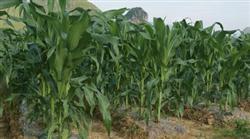
Four determinations for high-yield fertilization of spring corn
In recent years, due to the lack of organic fertilizer input and people's demand for increased unit yield, the amount of corn fertilization has increased significantly, and the application area of some high-concentration compound (mixed) fertilizers has also continued to expand, effectively promoting yield increases, but seedling-stage fertilizer damage, nutrient deficiency symptoms, or late-stage fertilizer loss and yield reduction also often occur, and farmers...
-
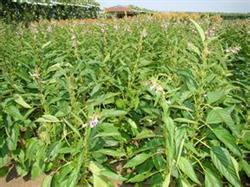
Key Technical Points for Plastic Film Mulching Cultivation of Spring Sesame
1. Select high-yield, disease-resistant varieties. Demonstrations in recent years have shown that choosing an excellent variety is the guarantee of a high yield. The E Zhi No. 2 variety has the characteristics of wide adaptability, good yielding ability, and relatively strong resistance, with a yield generally of 130-150 kg per mu, and it has now been promoted and cultivated over a large area. 2. Finely prepare the soil. Sesame seeds are relatively small...
-
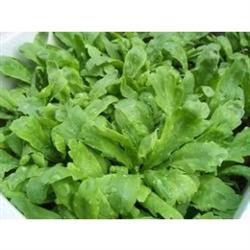
Key Techniques for Cultivating Crown Daisy (Glebionis coronaria) in Greenhouses in Early Spring
Seed selection and germination: Choose varieties with strong cold resistance; generally 1.5-2 kg of seed is needed per mu. 3-5 days before sowing, soak the seeds in warm water at 30°C for 24 hours, rinse and air-dry them, then place them under 15-20°C for germination, rinsing once daily with warm water; sow once the seeds have sprouted. Fertilization and soil preparation...
条件筛选