What causes pepper flower and fruit drop in spring?
Why do peppers drop flowers and fruits in spring? How to prevent and control pepper flower and fruit drop? We ask experienced netizens to help explain. Pepper cultivation often suffers flower and fruit drop due to various reasons, which reduces pepper yields. Therefore, Seedling Network has compiled the causes and prevention methods of pepper flower and fruit drop, listed in detail below for...
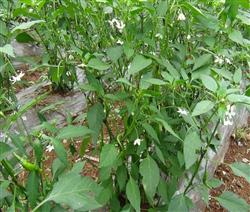 Why do peppers drop flowers and fruits in spring? How to prevent and control pepper flower and fruit drop? We ask experienced netizens to help explain.
Pepper cultivation often suffers flower and fruit drop due to various reasons, which reduces pepper yields. Therefore, Seedling Network has compiled the causes and prevention methods of pepper flower and fruit drop, listed in detail below for netizens' reference.
Cause 1.Because temperature changes greatly and remains unstable, peppers at the flowering and fruit-setting stage are easily affected by environmental conditions, leading to flower and fruit drop. Peppers prefer dry air and moist soil. For example, when the temperature is high (above 35 degrees), pollination and fertilization are affected, or when there is a long period of rainy weather, insufficient light, and falling temperature (below 15 degrees), pollination and pollen tube elongation are affected, causing flower drop.
Cause 2.Because of soil drought, insufficient water, and high air evaporation, the plant's demand for fertilizer and water is also inhibited, causing flower and fruit drop. When there is too much water and poor permeability, root respiration and growth are hindered, and even root rotting occurs, which can also cause flower and fruit drop.
Cause 3.Because too much or too little nitrogen fertilizer is applied to peppers, or there is a lack of phosphorus and potassium, fertilizer application is unbalanced and the supply of various nutrients is uncoordinated, causing pepper flowers and fruits to drop due to insufficient nutrients or nutritional disorder.
Cause 4.Because peppers are planted too densely, ventilation is poor, light is insufficient, photosynthesis weakens, male flowers develop poorly, and flowers on the first and second layers are prone to dropping.
Cause 5.It is caused by pests and diseases. For example, viral disease, anthracnose, leaf blight, and other diseases in peppers can all cause flower and fruit drop. In addition, tobacco budworm and cotton bollworm boring into the fruit can also easily cause fruit drop.
Prevention and control methods for pepper flower and fruit drop:
Method 1.Select disease-resistant and disease-tolerant pepper varieties, plant pepper seedlings free of pests and diseases, do not plant seedlings with damaged roots or broken leaves, plant at a reasonable density, and improve ventilation conditions so the plants have a good growing environment.
Method 2.Strengthen the management of temperature and humidity in the planting site. During the flowering and fruiting stage of peppers, increase ventilation. Keep the greenhouse temperature at 20-27 degrees during the day. When the nighttime temperature is not lower than 15 degrees, ventilate day and night. Only with good ventilation can the plants grow vigorously and the fruit-setting rate be high.
Method 3.Strictly control fertilizer and water for peppers and apply fertilizer reasonably. Before peppers set fruit, do not water or topdress, so as to control vegetative growth and promote reproductive growth. When topdressing, increase the application of phosphorus and potassium fertilizer and reduce the amount of nitrogen fertilizer. When peppers enter the full flowering stage and fruit-setting stage, the fruits expand rapidly and require large amounts of nitrogen, phosphorus, and potassium fertilizer.
Method 4.Control the soil humidity of the pepper planting site. Peppers generally require air humidity of 55-65% and soil humidity of about 15%. If it is higher than 18%, root development and plant growth will be affected, but during the full fruit stage the soil should be kept moist.
Method 5.Prevent and control pepper pests and diseases in a timely manner; the main pepper diseases include viral disease, anthracnose, cottony leak, and others. Viral disease can also cause plants to shrivel and be unable to branch and grow, seriously affecting yield.
Because aphids can transmit viral disease, prevention and control should be carried out early, eliminating them at the spot and patch stage. Imidacloprid, dimethoate, and dichlorvos can be used for control; for pupae, moth-killing agents or lime sulfur mixture can be used.
For pepper viral disease, spray virus A, plant disease spirit, and others. For other diseases, agents such as propamocarb, metalaxyl, procymidone, iprodione, carbendazim, and thiophanate-methyl can be used for control. In addition to the above measures, hormone treatment can also be used, such as 2,4-D or fruit-setting hormone, both of which can prevent flower drop.
What diseases are carried by pepper seeds?
How to increase pepper yield when growing peppers?