How to solve dampness in pig pens in winter? These dehumidification methods are very practical
When we raise pigs, controlling the pig pen environment is very important. If the pig pen is too damp, it can easily cause many diseases in pigs. Especially in winter, if the pig pen is damp, it will not only cause various diseases in pigs, but in severe cases can even lead to pig deaths. So what should be done about dampness in pig pens in winter? Below, the editor will give you a brief introduction. Let's take a look!
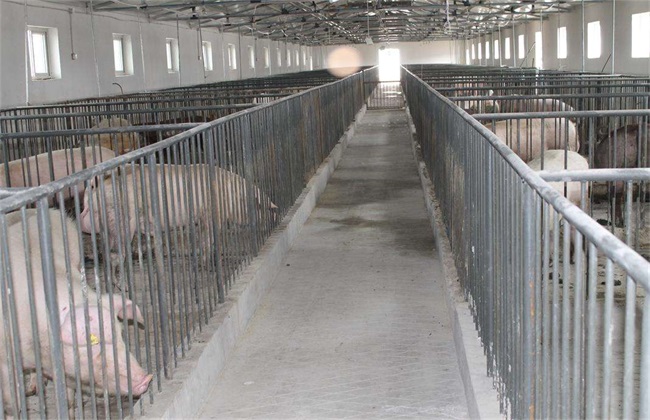
1. Strengthen insulation
The temperature and humidity changes in a pig pen are connected to a certain extent. If the temperature in the pig pen is too low, the impact on pig growth and development is very great. Moreover, the pig pen is prone to drafts and frost, causing the ground to freeze, and if pigs lie down, they are very likely to catch cold, leading to frostbite and other problems. Therefore, in winter we must do a good job of insulation, repair the housing well, prevent drafty wind from entering, and ensure the temperature inside the pen, so the humidity will gradually decrease.
2. Ventilation and air exchange
If the humidity inside the pig pen is too high, then the simplest and most effective method is to do a good job of ventilation. Reasonable ventilation can carry the moisture inside the pen out of the pig pen, dry the floor, and also expel harmful gases from the pen, improving the air quality inside the pig pen. This is very beneficial to pig growth and development. However, because winter temperatures are relatively low, when ventilating we should pay attention to controlling the ventilation volume. Before ventilating, appropriately raise the temperature of the pig pen.
3. Clean excrement regularly
Pigs are animals that eat, sleep, and then eat again. When raising pigs, the larger the number raised, the more pig excrement there will be. And as excrement increases, ammonia gas and moisture inside the pen will also increase. This is also the main reason for dampness in pig pens and poor air quality. Therefore, solving the problem from the root can effectively reduce humidity inside the pen. Clean the excrement inside the pen regularly, and it is best to let the pigs defecate outside the pen.
4. Feed and bedding straw
Natural forage resources are relatively scarce in winter. When feeding feed in winter, we should pay attention to mainly feeding dry and warm feed. Then after feeding, let the pigs drink more warm water, which can also significantly reduce humidity inside the pen. On the floor of the pig pen, we should also spread bedding straw. However, bedding straw has strong water absorption capacity and can easily absorb moisture from excrement, causing the bedding straw to become more humid and contaminated. So we should pay attention to frequently replacing the dry bedding straw, which can also effectively reduce humidity.
5. Use more adsorbents
Pigs like to grow in warm, dry pig pens and are not suited to growing in cold, damp environments. If too much is applied inside the pig pen, it will provide conditions for bacteria to grow and reproduce. And bacteria will harm pig growth, causing reduced resistance in pigs and making them prone to diarrhea, enteritis, and various other diseases. Therefore, we should often use materials with strong adsorption capacity such as plant ash and charcoal. They can not only absorb moisture, but also adsorb odors in the air, and the effect is very good.
The above is a brief introduction to what to do about dampness in pig pens in winter. That is all for today's introduction. This article is for reference only, and I hope it can help everyone!