What to Do If a Sheep Has Heatstroke? Symptom Identification and Rescue Measures
Sheep are a major type of livestock in China, and the scale of sheep farming in China is very large. When raising sheep, we must do a good job with management. Especially during the high temperatures of summer, if management is improper, sheep are extremely prone to heatstroke. After a sheep suffers heatstroke, it will have a great impact on its fattening and growth, and in severe cases it can even lead to death. So what symptoms does a sheep with heatstroke have? And how should it be rescued? Let's take a look below!
1. Heatstroke Symptoms
After a sheep suffers heatstroke, it is divided into three stages: early, middle, and late, and each stage has different disease manifestations. In the early stage of heatstroke, the sheep is mentally depressed, its food intake decreases or it even stops eating, it sways when walking, and its heartbeat noticeably speeds up. After entering the middle stage, the sheep's breathing becomes noticeably rapid, and its body temperature also rises. Trembling, sweating, and other phenomena appear, and a few sheep will also become excited. Finally, after entering the late stage, the sick sheep directly falls to the ground and cannot get up, and becomes comatose. The heart gradually becomes paralyzed, and then causes the sick sheep to die.
2. Rescue Measures
After discovering that a sheep has heatstroke, promptly move the sick sheep to a shady place, then pour cool water down from the sheep's head, which can effectively relieve the sheep's heatstroke. Alternatively, you can take the sick sheep to the nearest water source and let the sheep stand in the water to cool its body, and the effect is also very good. When the situation is more serious, you can perform venesection on the sick sheep, then inject an appropriate amount of normal saline. If it is mentally excited, then chlorpromazine can be injected intramuscularly, and for sheep with heart weakness, a cardiotonic should be administered promptly. In any case, first aid measures should be taken promptly for sheep with heatstroke to relieve the heatstroke symptoms.
3. Preventive Measures
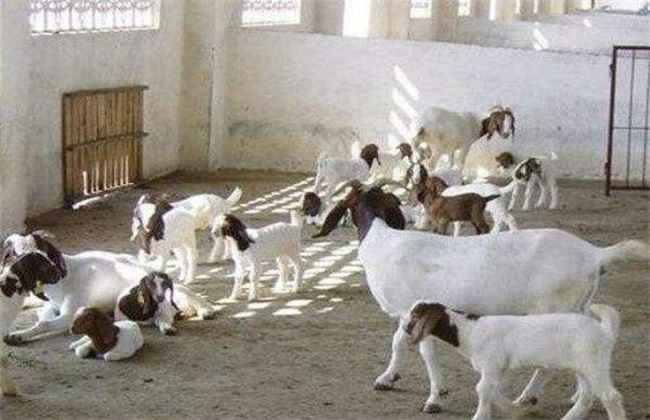
Penned Sheep
We should carry out different heatstroke prevention work according to the sheep's rearing method. If they are penned sheep, then good ventilation work should be done, the breeding density of the flock should be reduced, and overly dense breeding that causes the flock to be too crowded and affect each other's growth should be avoided. Then the drinking troughs in the sheep shed should always be kept filled with sufficient cool water, and the water should be changed once every day. Finally, trees should be appropriately planted around the sheep shed to provide shade for the shed, or a shade canopy should be set up properly. Prevent direct sunlight from shining on the sheep.
Grazing Sheep
If they are grazing sheep, then we should first pay attention to controlling the grazing time well, grazing earlier every morning and delaying the return time in the evening. It should be noted that grazing at noon must absolutely not be done, as this very easily causes sheep heatstroke. Moreover, when grazing, it is best to take the sheep to places with shade. Then before each grazing, let the sheep drink enough cool water, and after returning from grazing, let the sheep drink water once more. If they sweat a lot, then an appropriate amount of salt can be added to the water, and the sheep can occasionally be sprayed with water to cool down.
The above is a brief introduction to sheep heatstroke symptoms and rescue measures. After a sheep suffers heatstroke, first aid measures must be done well to save losses and protect one's own interests. That is all for today's introduction. This article is for reference only, and I hope it can help everyone!