Methods and Techniques for Estrus Identification in Boer Goats
The Boer goat is a goat breed raised over a relatively large area in China, and its economic value is relatively high. There is also relatively strong market demand for it in China now. When raising Boer goats, we need to strengthen management. Especially when Boer goats are in estrus, we must do a good job of estrus identification. So how can you determine whether a Boer goat is in estrus? Below, the editor will give everyone a brief introduction. Let's take a look together!
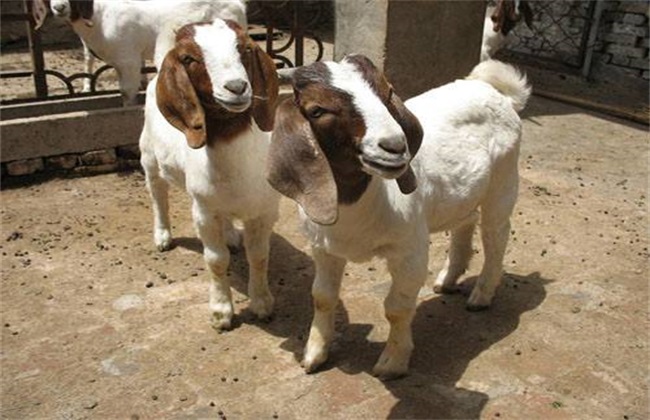
I. Signs of Estrus
The initial estrus of Boer goats generally occurs at around 7 months of age. The estrus season is generally concentrated in spring and autumn each year, with less estrus in summer. The estrus cycle is generally about 20 days, and the duration can reach 1-2 days. Ovulation occurs about 35 hours after the onset of estrus. For does in the lactation period, estrus occurs about one week after weaning. After entering estrus, does mainly show restlessness and agitation, bleating, frequent urination, and reduced appetite. If you observe the vulva, you will find it red, swollen, relaxed, and accompanied by mucus.
II. Estrus Identification
1. External Observation
External observation is the simplest and most direct method for determining whether a Boer goat is in estrus. External observation is mainly carried out by observing the doe's various external signs and vitality. As just mentioned above, after entering estrus, Boer goat does show restless and agitated behavior, reduced appetite, and stop ruminating. They also continuously bleat and wag their tails. By observing the vulva, you can find gradual congestion, swelling, and the discharge of a small amount of mucus.
2. Examination
The examination method is to use a vaginal speculum to examine changes in various parts such as the mucous membrane and the opening of the cervix of the Boer goat to determine whether it is in estrus. First, restrain the doe properly, clean the vulva, then disinfect the vaginal speculum and apply lubricant. Then slowly insert it from the doe's vulval opening. After insertion, open the front end of the speculum and illuminate it to examine the internal condition. If the mucous membrane is congested, glossy and moist, has mucus, and the opening of the cervix is congested and open, then it can most likely be confirmed as estrus.
3. Teaser Method
In addition, we can also use the teaser method to determine whether a Boer goat is in estrus. Every morning and evening, put a teaser buck into the doe flock, only once each day. The teasing location should remain flat, which is helpful for observation and allows does in estrus to be picked out in time. After putting the buck into the doe flock, be careful not to shout loudly; the flock may be driven appropriately. If the teaser buck sniffs the does, teases the does, or mounts the does, while the doe does not move or actively approaches the buck, then it can be confirmed that this doe is in estrus. At this time, the doe can be isolated and prepared for mating. Note that the teasing time should be kept at about one hour.
The above is a brief introduction to estrus identification in Boer goats. That is all for today's introduction. This article is for reference only, and I hope it can help everyone!