-
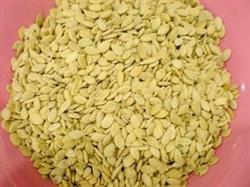
How to plant winter melon seeds for high yield? All the technical points are here
1. Sow at the right time and grow strong seedlings. The sowing period should be arranged according to local climate conditions, aiming to set fruit before the rainy season arrives. Generally sow from late February to mid-March, use a heat-retaining seedbed and nutritional pots for seedling raising, with about 100g of seed per mu. Before sowing, soak the seeds in hot water at about 70 degrees, let them cool naturally, soak for 1...
-
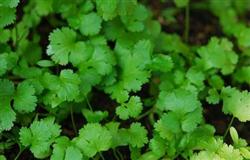
How to manage large-leaf cilantro for high yields? Detailed technical points
Select improved varieties: Japanese large-leaf cilantro, Thai large-leaf cilantro, Beijing large-leaf cilantro. Sow at the right time. For greenhouse cultivation, sow in staggered succession throughout the year, and in summer cover briefly with a shade net. For open-field cultivation, start sowing in late April and harvest in late June. For sowing in May, sow sweet corn as double plants in advance on both sides of the bed at 1 m intervals...
-
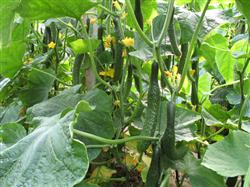
How to Grow Spring Cucumbers for High Yield? Detailed Cultivation Key Points
Select suitable varieties. Choose varieties with strong parthenocarpy, low fruit-setting position, many female flowers, disease resistance, good quality and high yield under early spring low-temperature conditions, such as Changchun Mici, Jinyan cucumber, etc. Seed germination and sowing and transplanting. Seed germination should be carried out 2-3 days before sowing. During the germination process, the seeds should be turned frequently so that they are evenly exposed...
-
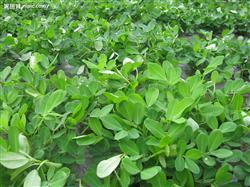
For high peanut yields, manage these four key points well in the late stage
The late growth stage of peanuts runs from when 50% of the plants show filled pods to when most pods mature and are harvested. The growth characteristics of this period are: vegetative growth gradually declines and stops, the pods gradually fill out and become plump, and the increase in pod weight generally accounts for 500%-70% of the total pod weight, making it the main period for pod yield formation. Field management technical measures for this period...
-
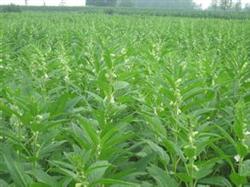
High-Yield Fertilization Methods and Key Technical Points for Sesame
(1) Land preparation: Sesame seeds are small, the root system is weak, and seedlings grow slowly, so fine land preparation is one of the important measures for achieving full emergence and strong seedlings from a single sowing. Sesame is afraid of waterlogging; in low-lying and rainy areas, on the basis of plowing and land preparation, ditches should be opened and raised beds made to do a good job of drainage and waterlogging prevention. In the urban area of Tianjin, spring rain and snow are scarce, so for spring-sown sesame, winter plowing and harrowing should be carried out...
-
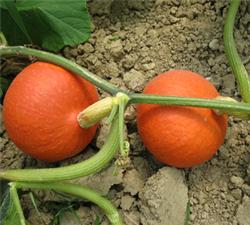
High-Quality New Pumpkin Varieties and Key Points of Spring Cultivation Techniques
Pumpkin is a nutritious and healthy vegetable, and the Western pumpkin (Cucurbita maxima) introduced from abroad has low fruit water content, high solids, high levels of non-reducing sugars and starch, a starch-to-total-sugar ratio exceeding 1, low crude fiber and high crude protein, so its eating quality and mouthfeel are excellent, and its quality greatly surpasses that of domestic local pumpkins, making it deeply...
-
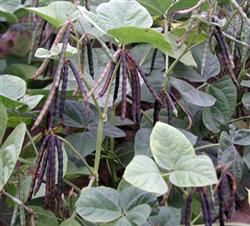
High-Yield Mung Bean Cultivation Techniques, Part Two: Detailed Explanation of Key Planting Points
V. Timely Hoeing and Ridging, and Topdressing. Currently, mung bean production involves low input and extensive management, resulting in relatively low yields, so field management should be strengthened. Especially during the seedling stage, mung beans grow slowly and are easily overwhelmed by weeds, which affects their growth and development, making timely management even more important. During the growth period, generally before flowering and pod setting, 3 rounds of inter-row cultivation and weeding should be carried out (three hoeings...
-
How to fertilize ginger for high yield? Detailed explanation of the key points of formula fertilization technology
Ginger has a long growing period and a high fertilizer requirement. Under medium fertility conditions, to produce general 2500 kg of ginger per mu, 25-40 kg of nitrogen, 10-22 kg of phosphorus (P2O5), and 30-50 kg of potassium (K2O) need to be applied. The absorption ratio of nitrogen, phosphorus, and potassium is 11:1:16 or 1:0.5:2. In addition, calcium, magnesium, boron, zinc, iron, and other medium and trace...
-
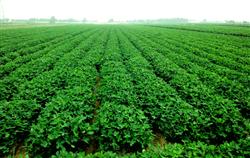
How to Grow Spring Peanuts for High Yield: Planting Methods and Key Technical Points
How to grow spring peanuts for high yield? Seeking guidance. Spring-planted peanuts are a major cash crop in our province, with a large planting area; yields are high but uneven, and there are still many medium- and low-yield fields, leaving great potential for increasing production. To achieve high yields in spring peanuts, six technical steps must be mastered well: 1. Select excellent varieties. Good seed is the foundation for achieving high yields...
-
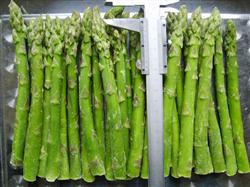
How can asparagus be grown for high yields? Key technical points explained in detail
How can asparagus be grown for high yields? Please advise. Asparagus, also known as Shattawas, is a premium nutritious health vegetable, hailed as the "king of vegetables" and one of the "world's top ten famous dishes." It can be processed into canned goods and nutritional products, and is a "golden industry" for earning foreign exchange through exports, in tight market supply and commanding high prices. Asparagus is a perennial crop, ...
条件筛选