-
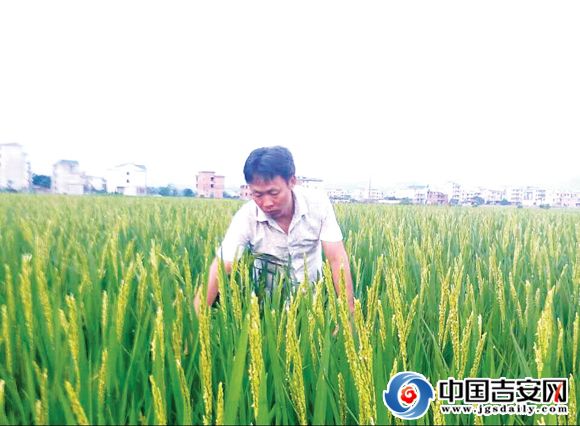
Large-scale grain farmer Guo Tangsheng shares his secrets to prosperity through grain farming
The story of how large-scale grain farmer Guo Tangsheng made his fortune
-

How to increase velvet antler production? Practical farming techniques shared
How to increase velvet antler production
-

-

How to grow Commelina communis? Detailed planting method shared
How should Commelina communis be planted
-
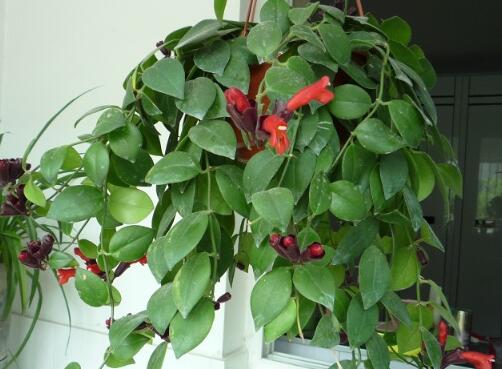
Can Lipstick Plant Cuttings Survive? Daily Care Methods Shared
During the flowering period of the lipstick plant, apply less nitrogen fertilizer, increase the intensity of indoor light, and keep the room temperature relatively low, which helps promote flowering. After the winter flowering period ends, promptly prune away the spent stems that have finished blooming, which saves nutrients, encourages new shoots, and helps it produce more buds and flowers. Sometimes the terminal buds of the lipstick plant will inexplicably die off
-
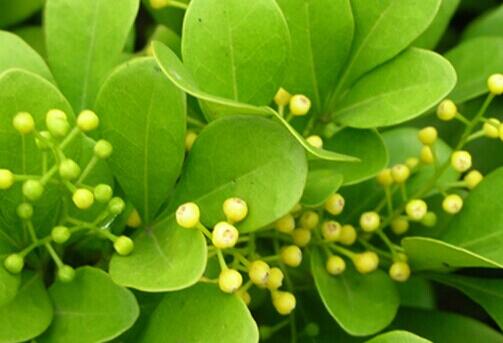
How to care for the Michelia figo (orange jasmine) in winter? Winter care methods shared
The Michelia figo has very poor cold tolerance. Improper winter care will affect its growth and blooming the following year, and in more serious cases cause its death. To help the Michelia figo survive the winter safely, today we bring you the winter care of the Michelia figo, sharing the winter cultivation methods. Let's take a look at the details.
-
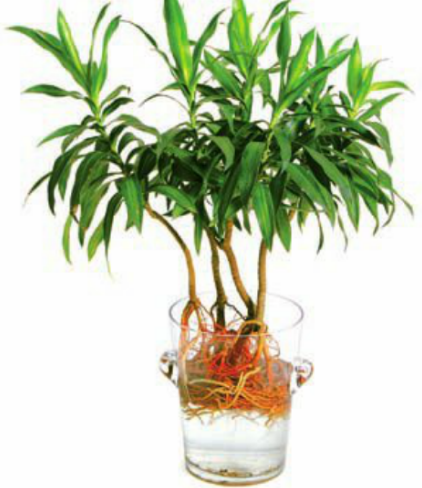
What to Do When Dracaena reflexa Leaves Turn Yellow in Water Culture? Practical Care Tips Shared
Dracaena reflexa, also called short-leaved dragon tree, loves a hot, humid, semi-shaded environment. It is highly shade-tolerant and afraid of harsh sun exposure. It carries the meaning of longevity and eternal youth. How to grow Dracaena reflexa in water; other name, short-leaved dragon tree; habits, loves a hot, humid, semi-shaded environment. Highly shade-tolerant, afraid of harsh sun exposure
-

How to Improve the Fruit Set Rate of Shatian Pomelo? Practical Methods Shared
How to Improve the Fruit Set Rate of Shatian Pomelo
-
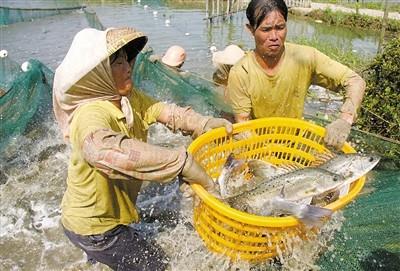
A sea bass farming expert shares the secret to seven consecutive years without losses
The secret behind a sea bass farming expert's seven consecutive years without losses
-

How to Identify Poisonous Mushrooms? Simple Identification Methods Shared
In terms of color, poisonous mushrooms often have bright colors, appearing red, green, yellow, etc. Their caps often bear variegated spots, with filamentous structures or small pieces of debris or scales on the surface. Non-poisonous mushrooms generally have dull colors, flat caps, and smooth surfaces. In terms of secretions, the caps or injured parts of poisonous mushrooms often exude reddish-brown, viscous, thick liquid, etc., with a pungent or other abnormal odor. The cap changes color easily after being torn. Non-poisonous mushrooms are generally drier, and the liquid exuded after breaking is white, with a distinctive mushroom
条件筛选