Can Lipstick Plant Cuttings Survive? Daily Care Methods Shared
During the flowering period of the lipstick plant, apply less nitrogen fertilizer, increase the intensity of indoor light, and keep the room temperature relatively low, which helps promote flowering. After the winter flowering period ends, promptly prune away the spent stems that have finished blooming, which saves nutrients, encourages new shoots, and helps it produce more buds and flowers. Sometimes the terminal buds of the lipstick plant will inexplicably die off, which is caused by a lack of calcium fertilizer; at this point, apply an appropriate amount of calcium fertilizer, and the terminal bud die-off will disappear. Can lipstick plant cuttings survive?
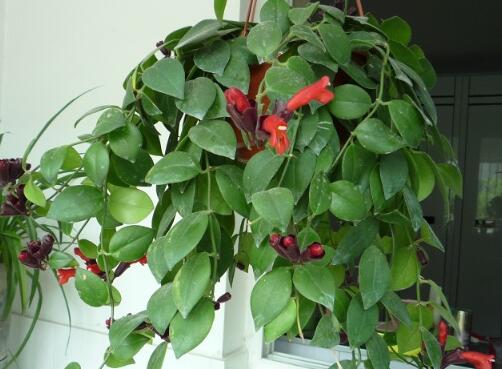
Can lipstick plant cuttings survive:
Lipstick plant cuttings can survive. Propagation can be done by the cutting method.
1. The best time for cuttings is spring and autumn.
2. Select robust, thick branches, cut every 7-10 cm into 1 segment, and insert them into loose sandy soil, or a growing medium mixed with 50% fine tree fern fiber, 20% perlite, and 30% coarse sand. Maintain appropriate humidity, receive about 50-60% sunlight, and after about 30-40 days roots can develop into seedlings. Wait until the root mass grows vigorously, then transplant into pots or cultivate in flower beds.
3. For the lipstick plant, a loose, fertile sandy loam is best for the potting soil, and drainage should be as good as possible. For potted soil, slightly acidic soil is best. You can use a potting mix made from peat soil, sand, and vermiculite, and add an appropriate amount of superphosphate.
Lipstick plant care methods:
Potting soil selection:
For the lipstick plant, a loose, fertile sandy loam is best for the potting soil, and drainage should be as good as possible. For potted soil, slightly acidic soil is best. You can use a potting mix made from peat soil, sand, and vermiculite, and add an appropriate amount of superphosphate.
Suitable placement location:
The lipstick plant should be placed in a cool, ventilated place, and attention should be paid to maintaining environmental humidity. Avoid continuous high temperature and high humidity; poor drainage and ventilation will cause rot. The lipstick plant is not cold-tolerant and needs to be brought indoors to overwinter in winter.
Light requirements:
It likes a semi-shaded environment. Except for the strong light at noon in midsummer, which should be properly shaded, it should be given sufficient light at other times, especially in winter. If the placement location has too strong or insufficient light, the leaves will easily turn light green or yellow-green.
Watering:
The potting soil should often be kept moist, and never allow water to accumulate in the pot, so as to avoid root rot. From March to September, during the peak growth period, the water requirement is relatively high, so water and mist frequently to increase humidity; in autumn, as the weather gradually turns cool, gradually reduce the amount of watering and fertilizing. In winter, the potting soil should be slightly dry.
Pruning tips:
When growth is vigorous, you can appropriately pinch off the growing tips to promote branching. After the winter flowering period ends, promptly prune away the spent stems that have finished blooming, which saves nutrients, encourages new shoots, and helps it produce more buds and flowers.
How Many Years Until an Osmanthus Tree Blooms? Can Cuttings Survive?
Osmanthus tree, this is a very popular tree, because once it blooms it is very fragrant. How many years until an osmanthus tree blooms? Can osmanthus tree cuttings survive?
How many years until an osmanthus tree blooms:
1. Generally, it takes five years before it can bloom.
2. Osmanthus is adapted to subtropical climate regions. It likes warmth and moisture. The average temperature in the planting area is 14-28°C, the average temperature in July is 24-28°C, the average temperature in January is above 0°C, it can withstand a minimum temperature of -13°C, and the most suitable growth temperature is 15-28°C. Humidity is extremely important for the growth and development of osmanthus, requiring an annual average humidity of 75%-85% and annual precipitation of about 1000 mm.
3. Osmanthus likes warmth and has strong stress resistance; it is both heat-tolerant and relatively cold-tolerant.
4. Osmanthus is not very strict about soil requirements. Except for alkaline soil and low-lying land or soil that is too clayey and poorly drained, it can generally grow, but deep, loose, fertile, well-drained, slightly acidic sandy loam is most suitable.
Can osmanthus tree cuttings survive:
Yes. Propagation is mainly by cuttings and sowing.
(1) Sowing: Collect seeds in mid-to-late September, dry them in the shade with the fruit peel still on, then store them in sand, and sow in the following spring.
(2) Cuttings: divided into hardwood cuttings and softwood cuttings.
A. Hardwood cuttings are inserted in mid-to-late March. Take branches that grew in the previous autumn as cuttings, 7-8 cm long, with a heel, keep 2 leaves on top, and insert to a depth of 1/2.
B. Softwood cuttings are done in mid-to-late June. Use vigorous new shoots of the current year as cuttings, 7-10 cm long, with a heel, keep 2 leaves, and insert them into wet sand. Immediately after insertion, set up a shade shed.
At the initial cutting stage, shading must be thorough. After 1.5 months, gradually increase light in the morning and evening. Roots develop in 40-50 days. When there are 3-4 new leaves, apply one light fertilization. During the seedling stage, use a small plastic arch shed for winter protection against cold. Generally, leave them in the bed for 1 year of cultivation, then transplant in the spring of the 3rd year.
Selection of cutting time and control of temperature. Osmanthus cuttings are best taken in May and June. The suitable rooting temperature for osmanthus is 25°C to 28°C. If the temperature is too low, cover with plastic film, increase light, and raise the seedbed temperature. If the temperature is too high, pay attention to shading, and lift a corner of the plastic film to ventilate and cool, or use misting to cool.
Cutting substrate and seedbed. The cutting substrate requires loose, breathable, well-drained acidic soil or sandy soil with high humus content; vermiculite is best. Passageways should be left around the seedbed, and drainage ditches should be opened well. The soil must be sterilized before insertion. Set up a 45 cm high plastic arch shed on the seedbed to retain moisture and prevent rain and water accumulation. On top of the shed, build another shade shed about 1.6 m high.
Osmanthus trees generally bloom in 5 years, and cuttings can survive. Everyone understands now, right?
Rhipsalis rosea Cutting Process: Leaf Cutting and Stem Cutting Methods Shared
It likes a warm, humid, semi-shaded environment and requires a certain amount of air humidity. In summer, it should be well ventilated and avoid exposure to harsh sunlight. It is suitable for growing in soil rich in humus, loose and fertile, and with good drainage and air permeability. Today, the editor brings you the Rhipsalis rosea cutting process. Let's take a look at the details.
Rhipsalis rosea cutting process:
Simple and direct: just insert the leaves into the flower pot
Prepare a flat tray and spread a layer of vermiculite or succulent soil. Directly place a leaf on top with the front side facing up, and put it in a shaded place or a heat-dissipating spot. Remember not to water at this time. After about 2 weeks, once buds appear, you can water appropriately and give sunlight, but do not expose it to harsh sun.
Stem cuttings
Take a leaf, do not cut the leaf node area, insert it into a prepared slightly moist succulent soil, and wait for it to take root. You can add a small amount of rooting powder.
Place it in a cool place, do not expose it to harsh sun, do not water it, and after buds appear, water appropriately and provide appropriate light treatment.
Whether leaf cuttings or stem cuttings, pay attention to good ventilation, and humidity should also be appropriate.