-
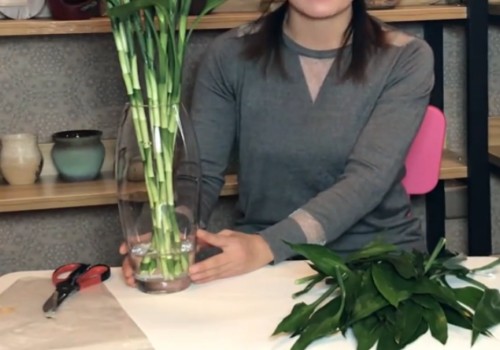
How to Make Lucky Bamboo Root Fastest in Water? Practical Methods Shared
Lucky bamboo is an evergreen plant that is very well suited to being grown in water indoors, but quite a few gardening friends find that after buying one and growing it in water for a while, the plant either fails to root, or roots and then quickly develops root rot, along with yellowing leaves. What is going on here? In fact, growing lucky bamboo in water is fairly simple
-
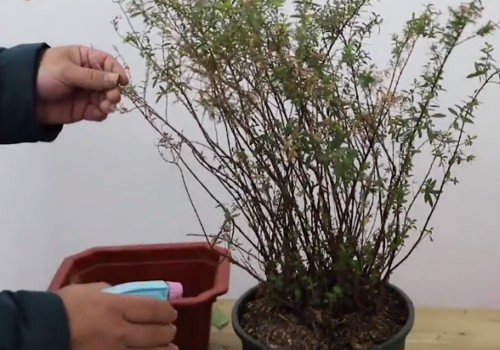
How to care for baby's breath (Gypsophila) with insufficient light? Care tips shared
Baby's breath (Gypsophila) is a flowering plant with delicate, adorable blooms. Grown as a potted plant at home, it can be enjoyed for its beauty and also adds charm to the home environment. This is mainly because its flowering period is especially long, its blooms are as numerous as stars, and it also has fairly strong drought and cold tolerance, so it is very easy to care for
-
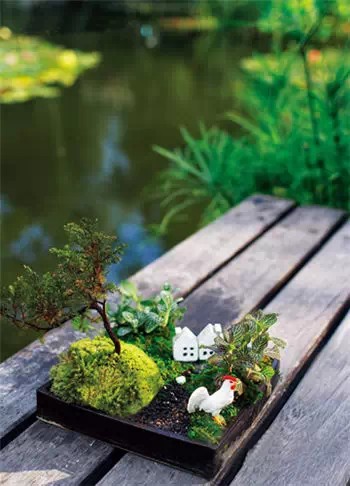
How to make a countryside path bonsai? Detailed tutorial shared
The countryside path bonsai is still made with the most ordinary green plants, and with the addition of a house and a rooster, it looks just like a prosperous rural scene. Materials: garden pine, nerve plant (Fittonia), moss. Making: First spread a layer of ceramic stones on the bottom of the pot, then add soil, and leave the shape of a path; plant garden pine and nerve plant in separate sections
-

How to deal with root rot in sago palm? Practical solutions shared
The sago palm, a landscape plant also known as the cycad, is famous for its slender, hard yet distinctive leaves. Not only that, the sago palm is a very ancient plant with a sturdy bulbous trunk; even small seedlings or young plants have plenty of character. Although it is as hard and resolute as iron
-
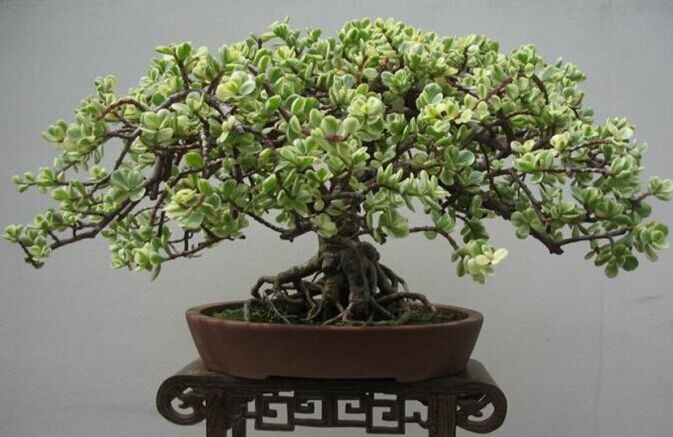
How to make a jade leaf bonsai? Detailed production method shared
When the plant propagated by layering has basically taken shape after one year of cultivation, it enters the bonsai-making stage. Bonsai making can be carried out in all four seasons of the year, and based on the thickness of the plant material's stem, its appearance, the unevenness of the branches, and their attachment positions, you can decide whether to make a single-trunk style or a double-plant or multi-plant combined planting style.
-
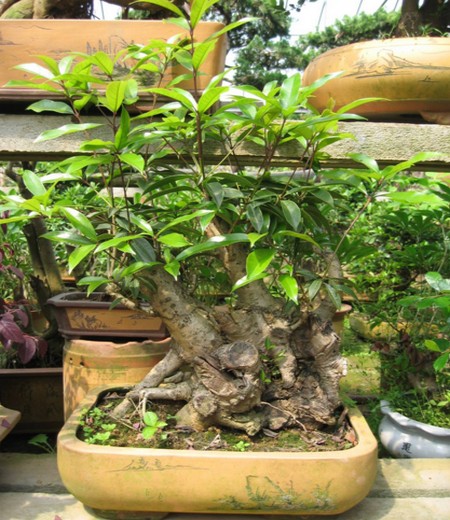
How to make an Osmanthus root-over-rock bonsai? Detailed method shared
The making of an osmanthus bonsai, in principle, requires a profound conception and composition; truly learning from nature; enhancing strengths and avoiding weaknesses to build momentum; combining movement and stillness with agility; being unified and harmonious to please the eye; perceiving the grand from the small; having appropriate density and sparseness; and having clear primary and secondary elements that catch the eye. The osmanthus root-over-rock bonsai inherits and carries forward the Lingnan school tradition, learning from nature, shrinking the dragon to an inch
-
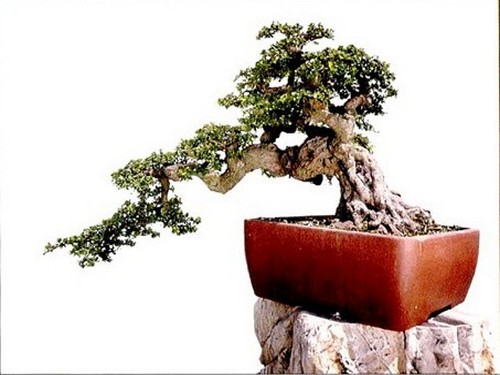
How to make a Fujian tea bonsai? Detailed steps and methods shared
Fujian tea is produced in Guangdong, Fujian, Taiwan, China and other provinces in southern China. It is also distributed in the tropical regions of South and Southeast Asia. Fujian tea, also known as Carmona retusa and cat tree, is an evergreen shrub of the Boraginaceae family. The leaves are small, oblong-elliptic, dark green and glossy. In spring and summer it bears small white flowers, and the drupe is spherical, initially green and later red. Its trunk is rugged
-
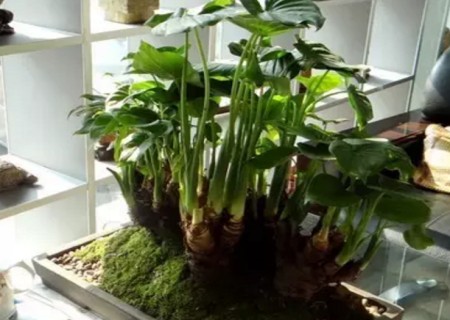
How to make a Dieffenbachia (Alocasia) bonsai? Detailed method tutorial shared
Dieffenbachia, also known as Tianyu, Guanyin Lotus, Gupo Yu, etc., is a large evergreen herbaceous plant of the genus Alocasia in the Araceae family, originally from the primitive forests of Southeast Asia and Australia, and also found in South China and Lanyu, Taiwan, China and other places. In northern China it needs to overwinter indoors, while in the south it can grow in the open ground. Its corms and leaves can be used medicinally but are highly toxic
-
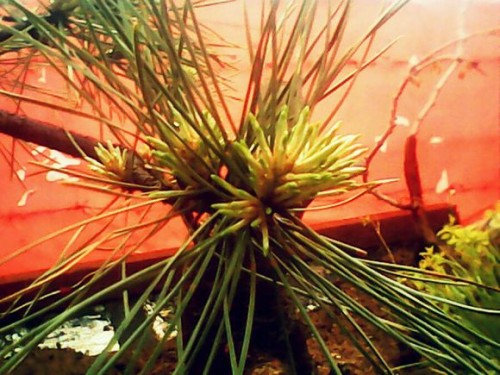
How to make a Chinese pine bonsai? Detailed production method shared
The Chinese pine is tall and vigorous, evergreen all year round, long-lived, and unafraid of wind, snow and severe cold. People regard it as a symbol of unyielding integrity and longevity. Its forms are endlessly varied, becoming more fantastic with age, making it an ideal material for bonsai. After the Chinese pine is planted, water it twice within one week; afterwards you may loosen the soil and preserve moisture, and water once more in early May
-
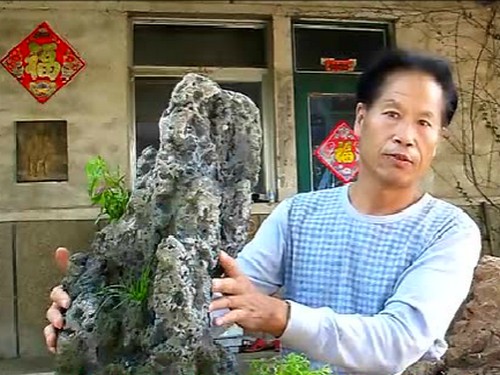
How do you make a cement rockery bonsai? Detailed production method shared
Cement sculpted-stone rockery refers to rockery formed by artificial shaping using modern materials such as concrete, fiberglass and organic resin, and non-stone materials such as lime, brick and cement. Sculpted mountains and sculpted stones can save the steps of quarrying and transporting stone, the shapes are not limited by stone material, and the volume can be large or small
条件筛选