-
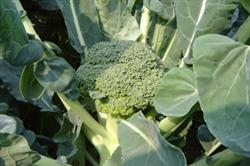
Heat-Tolerant Cauliflower Cultivation Methods and Key Growing Techniques
How do you grow heat-tolerant cauliflower? Here is an introduction to heat-tolerant cauliflower cultivation methods you can refer to: 1. Variety selection: choose cauliflower varieties with strong growth, good heat tolerance, strong disease resistance and early maturity. 2. Sow at the right time: the sowing period should be determined according to the characteristics of the variety and the climate conditions of each region...
-
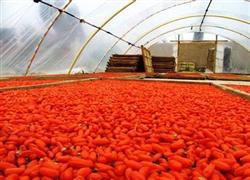
What are the medicinal benefits of goji berry? A detailed guide to growing techniques
Goji berry is an important economic plant and an excellent dual-purpose medicinal and edible product. In China, there are 7 species distributed: Ningxia goji (Lycium barbarum), Chinese wolfberry (Lycium chinense), black goji (Lycium ruthenicum), ** goji, Lycium truncatum, Lycium cylindricum, and Yunnan goji. Among them, 3 have traditional medicinal value: yellow-fruited goji (a variety of Ningxia goji), northern goji (a variety of Chinese wolfberry), and red-branched goji (a variety of ** goji).
-
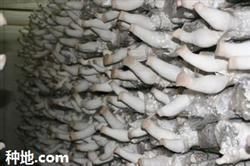
How to cultivate king oyster mushrooms? Detailed explanation of key growing techniques
How to use a cold room to cultivate off-season king oyster mushrooms? What should be noted? When cultivating king oyster mushrooms in a cold room, note the following: 1. The cold room should be chosen on flat, sunny ground at a higher elevation, close to a water source and with good drainage. Generally, each cold room is 10m long, 6m wide and 4m high; the cold room should not be too large, otherwise it is difficult to regulate the temperature; cold...
-

How to grow tomatoes in summer? Key points of tomato growing techniques
How do you grow tomatoes in summer? Here are the methods. In summer, you can grow tomatoes by referring to the following steps: 1. Variety selection For summer cultivation, choose disease-resistant tomato varieties with strong heat tolerance and resistance to aphids, such as Maofen 802, Sukang No. 5, L402, Jiafen 15, etc. 2. Grow strong seedlings Sow and raise seedlings in early to mid-May....
-
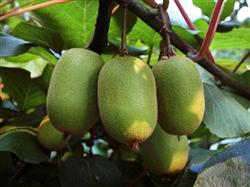
Kiwifruit Growing Techniques: Why Do Kiwifruit Turn Green?
Why do kiwifruit turn green? Here are the causes and control methods. The skin of a normally ripened kiwifruit should be brown or yellowish-brown, but due to factors such as climate and management, some fruit develop emerald green or bluish-green skin, with a milder flavor, reduced quality and poor storage life. Through comparative analysis, the author...
-

Kiwifruit Growing Techniques: How to Pinch Back Kiwifruit in Summer?
How to pinch back kiwifruit in summer? Please explain the method. For pinching back kiwifruit in summer, you can refer to the following methods: Pinching back young trees. For newly planted trees of the current year and 2-year-old young trees, shaping is generally not needed. After selecting and keeping 1 to 2 strong canes, pinch once when the cane grows to 80 cm, and then let it grow freely....
-
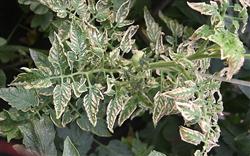
Tomato Growing Techniques: What Is Tomato Yellow Leaf Curl Virus Disease?
What is tomato yellow leaf curl virus disease? An introduction: After a tomato plant is infected with tomato yellow leaf curl virus disease, the upper leaves turn yellow and become smaller, the leaf margins curl upward, the leaves become crinkled and curled, the internodes shorten, flowering and fruiting become difficult, the fruit is small and ripens slowly. Infected plants grow slowly and are noticeably stunted. The damage caused by tomato yellow leaf curl...
-
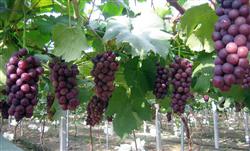
Grape Growing Techniques: How Should You Fertilize to Make Grapes Sweeter?
How should you fertilize to make grapes sweeter? Please explain the fertilization methods. To make grapes sweeter, you can refer to the following fertilization methods: 1. Focus on base fertilizer. Around October, that is, late autumn, is the best time to apply base fertilizer to grapes. When applying base fertilizer, pay attention to applying organic fertilizer together with microbial bacterial fertilizer, applying 4000 jin to 5000 jin of decomposed organic fertilizer per mu, and 2 to 3 kg of Jinbaobei microbial bacterial fertilizer; in addition, do not neglect the combination of chemical fertilizers (mainly nitrogen and phosphorus fertilizers), applying 15 to 20 kg of urea or 30 to 40 kg of ammonium sulfate per mu. The base fertilizer should be buried into the soil together with deep plowing. This fertilization method of organic fertilizer plus microbial bacterial fertilizer plus chemical fertilizer not only provides quick-acting nutrients to the grapes, but also improves the soil micro-ecological environment and plays a role in improving the soil. Reason: The beneficial microorganisms in Jinbaobei microbial bacterial fertilizer, through the secondary metabolites produced by their own life activities, activate the soil, increase the number of soil aggregates, enrich the soil, increase the absorption rate of grape roots, and make full preparations for the flowering and fruiting of grapes.
-
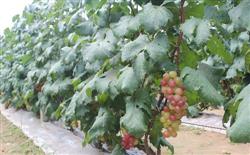
How to prune Fujiminori grapes in summer? Key points of grape growing techniques
How should Fujiminori grapes be pruned in summer? Please explain the methods. Summer pruning of Fujiminori grapes can be carried out by referring to the following methods: 1. Bud removal and shoot thinning. Bud removal is done after spring bud break, removing weak buds and useless latent buds or twin buds and triple buds. To avoid wasting nutrients, bud removal should be done as early as possible. When new shoots grow 1...
-
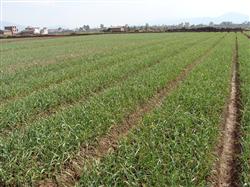
How to plant garlic well? A full breakdown of practical growing techniques
How to plant garlic well? A detailed guide to the method. For growing garlic, you can refer to the following growing methods: Variety selection. China has an extremely rich resource of garlic varieties, with famous specialty production areas in both the north and the south, forming many excellent local varieties, such as Chengdu Ershuizao, Cangshan garlic, Songcheng white-skin garlic, Sichuan bolting garlic, garlic sprout garlic, and so on.
条件筛选