-
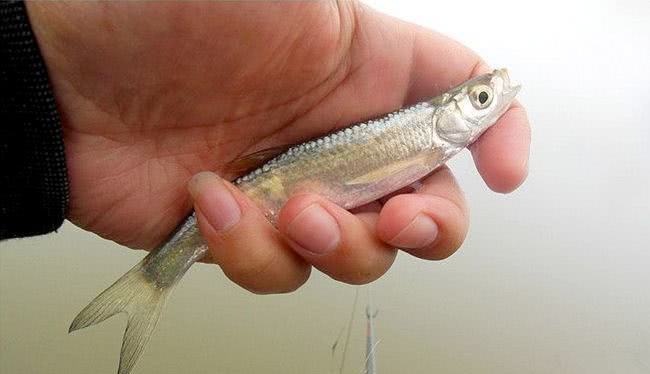
It is commonly known as the "millennium fish," sold in the market at 15 yuan per jin, impossible to fish out or eat out, yet it falls to the ground cage
In the small streams and rivers of the countryside, there are many wild foods, and many people go to these places in their spare time to catch wild foods and bring them home to eat. Among these wild foods, the most abundant are various wild fish, and big fish are generally harder to catch, while small fish...
-
Key Technical Points for Spring Open-Field Cultivation of Ground-Trailing Winter Melon
Ground-trailing winter melon has the advantages of saving trellis materials, reducing labor for building trellises and tying vines, lower costs, being convenient for intercropping and relay cropping, and relatively extensive cultivation management. During spring open-field cultivation in the early spring low-temperature season, intercropping pak choi, small radish, garland chrysanthemum and other vegetables in the vine-running beds can improve land utilization and increase vegetable yield. Our local farmers...
-
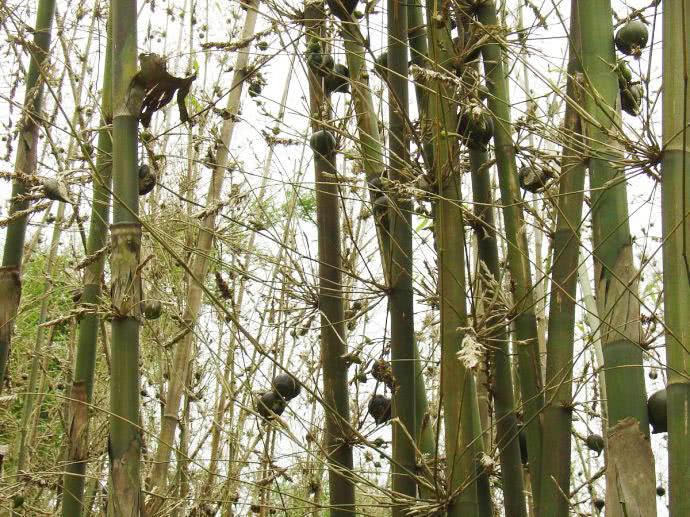
This Indian wild fruit bears fruit once every 50 years and sprouts as soon as it falls to the ground; you need good luck to get a taste
When bamboo is mentioned, probably none of us feels unfamiliar with it. In rural areas, plenty of bamboo is planted around the front and back of houses, and bamboo has accompanied us throughout our school years; in textbooks, we can always see the ancients' praise for bamboo. In daily life...
-
Detailed explanation of key points for early spring ground bean cultivation techniques
Pre-sowing preparation: irrigate before winter to build good soil moisture for early spring sowing. Prepare 6 kg of "American ground bean" high-quality seed per mu, ultra-thin plastic film (film width 70 cm), apply 3000 kg of organic fertilizer as base fertilizer, 10 kg of urea, 8 kg of diammonium phosphate, and 10 kg of potassium chloride. Sowing: after the ground thaws in early spring, make beds and cover with film. Bed width 50...
-
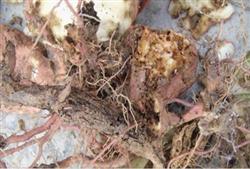
Two Methods for Poisoning and Killing Underground Pests of Sweet Potato
When sweet potatoes are damaged by underground pests, they become riddled with pest entry holes and tunnels, cannot be processed or eaten, and rot more quickly, causing reduced yields. In production, the following methods can be promptly adopted for poisoning and control to improve yield and quality. 1. Spray Lorsban. During the growth and development period of sweet potatoes, spray the leaves once every 10-15 days with a 1000-fold Lorsban aqueous solution...
-

A 3-meter-long succulent air plant hangs at the doorway, almost touching the ground; on closer look, it is a bit disappointing.
Among those who like growing succulents, many have kept air plants (Tillandsia). They are especially easy to grow; you do not need to plant them in soil, just put them anywhere, and as long as the humidity is slightly higher, they will live well. Very easy to grow! Today...
-
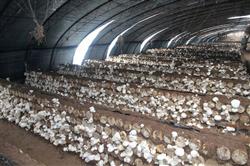
What should be noted when growing White Lingzhi mushrooms (Pleurotus nebrodensis) in soil-covered ground beds?
The White Lingzhi mushroom (Pleurotus nebrodensis) is a culinary mushroom variety with relatively low yields; generally, three-dimensional wall-style cultivation can achieve a biological conversion rate of 30-40%. To increase the yield of White Lingzhi mushrooms, a soil-covered ground bed cultivation model can be adopted; with proper management, this method produces very high yields. According to the author's extensive trials, the biological conversion rate of ground-bed-cultivated White Lingzhi mushrooms can reach 80-100...
-

A detailed guide to ground beetle farming technology, helping you get started easily
Ground beetle farming technology
-
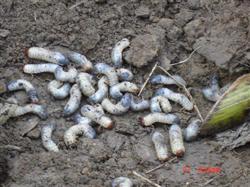
Control methods for underground pests in sugarcane cultivation
How to control underground pests in sugarcane cultivation? Please advise. Underground pests of sugarcane are a major group of important pests seriously harming sugarcane production in Yunnan, mainly including: sugarcane beetles, sugarcane weevils, stem-boring weevils, sugarcane termites, sugarcane root aphids, etc. Among them, sugarcane beetles, sugarcane weevils and stem-boring weevils are the most common and cause the most serious damage...
-
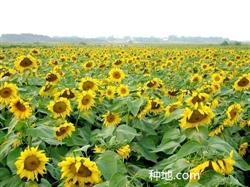
What are the methods for controlling underground pests in sunflowers?
How should underground pests be controlled when growing sunflowers? The main underground pests of sunflowers include mole crickets, white grubs, cutworms, wireworms, and other soil-dwelling pests. The control measures are as follows. (1) Agricultural control. ① Before sunflower emergence or during the peak outbreak period of 1st to 2nd instar cutworm larvae, promptly remove weeds from the field, bury them deep or haul them out of the field for composting, to eliminate egg-laying hosts.
条件筛选