-
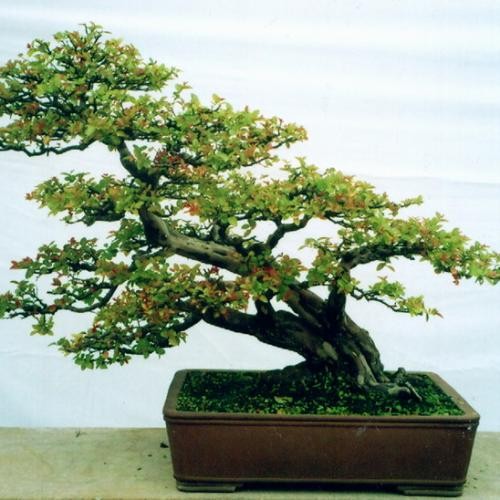
A Detailed Explanation of the Styling Methods and Techniques for the Cascade-on-the-Ground Style of Bonsai
The cascade-on-the-ground style and the slanting style are related; the so-called kinship only refers to the related effect of one following on after another. If a slanted tree cannot be fixed and stabilized, it will eventually topple over completely because of loss of balance. In woodland areas, large trees of this kind of form are generally commonly seen lying across the ground. Speaking of this, I would like to talk about a digression.
-
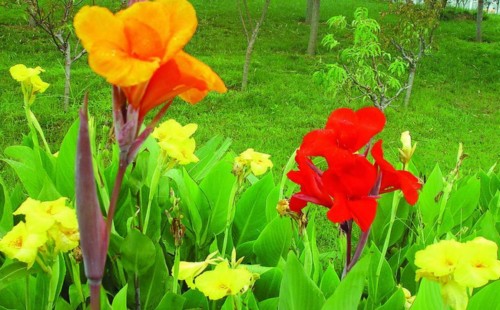
What is the appropriate planting spacing for ground cover flowers?
Friends who love growing flowers and plants naturally know that different types of flowers and plants have different planting spacings. If the planting spacing is too dense, the local plant clusters will experience nutrient deficiency due to competition for nutrients, resulting in some plants growing well while others grow poorly.
-
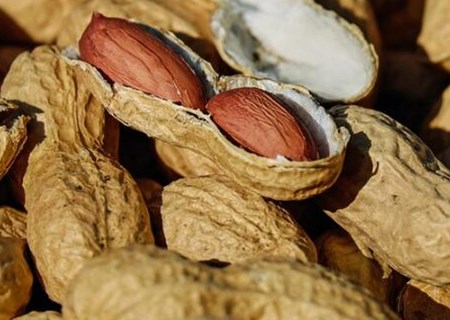
Peanut (groundnut) cultivation methods, timing and nutritional value
The groundnut is a legume crop and one of the main oilseed varieties for high-quality edible oil; it is also known as the peanut or "long-life nut." The groundnut is an annual herbaceous plant. So, do you know the peanut's cultivation methods and planting time? What nutritional value does it have? Peanut cultivation methods
-
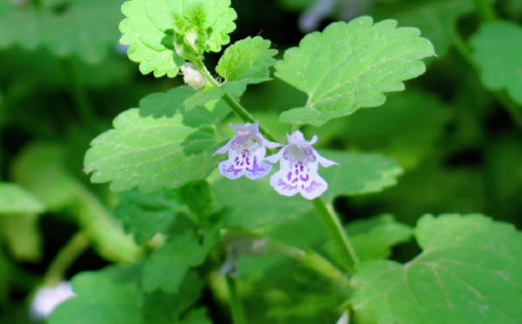
Cultivation and Propagation Methods, Benefits, Effects and Precautions of Glechoma hederacea (Ground Ivy) from the Lamiaceae Family
Glechoma hederacea grows in shaded and damp places such as forest edges, under sparse woods, in grasslands and beside streams, so what are the cultivation methods and precautions for Glechoma hederacea? What benefits and effects does it have? How is it propagated? According to available information, when cultivating Glechoma hederacea, the soil requirements are actually not high, and a loose, fertile sandy soil with good drainage is preferable
-
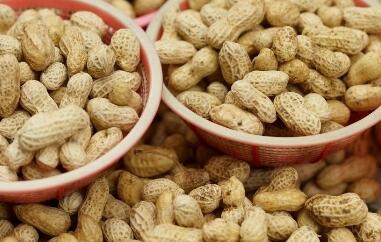
Peanut (groundnut) planting time, profit per mu and cultivation methods
In elementary school we studied the essay "The Peanut," and its description of the peanut left a deep impression. The peanut has many virtues, and one of the most precious is this: its fruit is buried in the ground, unlike peaches, pomegranates and apples, which hang their bright red and green fruit high on the branches, making people fall in love at first sight.
-
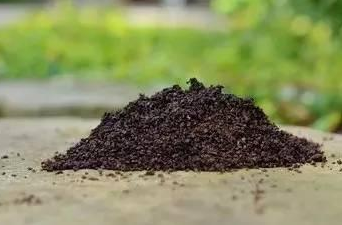
Coffee grounds for growing flowers can supplement nitrogen fertilizer and are also a slug killer
When it comes to coffee, many people nowadays really love drinking it, and so many coffee grounds get dumped everywhere. Coffee grounds are also very nutritious. Let's take a look at how to use coffee grounds for growing flowers: as mulch, coffee grounds are also a very good mulch, and they can help keep moisture in the soil
-

What should be noted when planting forget-me-nots in the ground and in pots?
When cultivating forget-me-nots in the open ground, choose a ventilated, sunny, higher-lying sandy loam plot rich in organic matter, make it into raised beds, and apply decomposed organic fertilizer. When the seedlings grow 1-2 true leaves, transplant them once; if transplanted too late, they are not easy to survive. When they grow 4-6 true leaves, plant them in their final position.
-

How to grow ground ivy? A detailed guide to its care methods
1. Soil selection Ground ivy is not demanding when it comes to soil; it only needs loose, well-drained soil, but you should take care to keep the soil moist, and you can add appropriate base fertilizer. 2. Light and temperature Ground ivy likes a shady, humid growing environment, and the light should be appropriate, avoiding strong light
-

-

What Are Ground Cover Plants? A Detailed Guide to Common Varieties and Care Techniques
What are ground cover plants? How do you care for them? First, let's talk about what ground cover plants are. Ground cover plants refer to those plants with dense, low-growing clumps that, with simple management, can be used to replace lawn grass to cover the ground surface, prevent soil erosion
条件筛选