Coffee grounds for growing flowers can supplement nitrogen fertilizer and are also a slug killer
When it comes to coffee, many people nowadays really love drinking it, and so many coffee grounds get dumped everywhere. Coffee grounds are also very nutritious. Let's take a look at how to use coffee grounds for growing flowers:
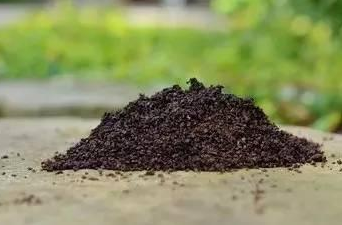
1. Mulch
Coffee grounds are also a very good mulch. They can help keep moisture in the soil and maintain a relatively warm temperature (not suitable in summer). Of course, they also need to be used correctly.
As mentioned above, burying them directly next to the roots and stems will damage the roots, so a little soil is needed to separate them, and they should not be spread too thickly. (For winter insulation and moisture retention, that is fine.)
2. Nitrogen fertilizer supplement
Coffee grounds can also serve as a very useful fertilizer. They can supplement nitrogen fertilizer for plants. If the leaves of a plant become pale green, the old leaves at the roots and stems turn yellow, the stems are short and thin, and premature aging appears, then you can use decomposed coffee grounds to fertilize. (After sealing and storing for a few weeks.)
3. Slug killer
Slugs really hate crawling over coffee grounds. Coffee grounds will hurt these mollusks, and slugs and snails are very afraid of coffee grounds.
If these small pests appear on your plants or flowers, you can scatter coffee grounds around them.
6. Worm composting
Although earthworms are also mollusks, they are not afraid of coffee grounds. Having some coffee grounds in the soil can help with worm composting.
Earthworms relatively like nitrogen-containing substances, which help them reproduce better (not suitable for use in potted plants, as earthworms are not suitable for being kept in flower pots). This will make the soil in the yard more fertile.
7. Cleaning garden tools
Although this is not directly used for growing flowers, it can help clean various gardening tools. This is a very green and healthy method.
Because coffee grounds are abrasive, they can help clean stubborn clay and dirt. This is a very good scrubbing aid. Just rinse it off after wiping.
That is all for the introduction to using coffee grounds for growing flowers. That is also all for the introduction to how to handle coffee grounds in the future.
How to use baking soda for growing flowers: it can kill slugs
Baking soda is super common in daily life. Do not underestimate this baking soda; it can be used for growing flowers. What are the ways to use baking soda for growing flowers:
1. Fungicide
Mix 4 teaspoons of baking soda with 4 liters of water. It is very effective for disinfection and sterilization.
2. Leaf-rolling caterpillars
Use an appropriate amount of baking soda and flour to make a powder, then sprinkle some of the powdered mixture made with baking soda on the plants. It can kill leaf-rolling caterpillars.
3. Make flowers bloom more beautifully
You can mix 1 teaspoon of baking soda with 4 liters of water and use it on plants that like neutral soil. An extra little bit of baking soda can help them grow better and produce more exquisite flowers.
(Do not water too much or too frequently. Generally give a little before flowering. The ratio of baking soda to water is 1:5000.)
4. Kill slugs
If slugs or snails often eat the stems and leaves of plants, you can use a little baking soda and pour it where the small pests are to kill those small insects, but it must not be excessive.
5. Reduce compost odor
When making compost normally, there is always an unpleasant smell. We can add baking soda to the compost, and after a while the stench will gradually disappear a lot.
6. Keep plants fresh
Add a thin layer of baking soda in the pot. It helps keep potted plants fresh for longer. In addition, it can also promote recovery after transplanting.
7. Clean flower pots
You can first rinse the pot clean, then use a damp cloth dipped in baking soda, together with water, to wipe away dirt and stains on the flower pot. At the same time, it can also sterilize.
8. Ants
If ants appear on the flower pot, we can mix baking soda into a paste, pour it into the ant nest, and after half an hour, pour some vinegar in. This way the ants can be eliminated.
9. Make plants greener
Use an appropriate amount of baking soda solution and spray it on the leaves. It can also achieve the effect of foliar fertilization. It will make the leaves of potted plants greener and more glossy, and the texture of the leaves will also appear thicker.
10. Promote absorption
Add a little baking soda to rice-washing water and use it to water flowers. The adhesion and absorption capacity of potted plants for the fertilizer liquid will be enhanced, and the roots of the plants will grow more robustly.
That is all for the introduction to using baking soda for growing flowers. Hurry up and learn about it; it is time to broaden your knowledge.
How to make banana peels into flower fertilizer: it can kill slugs
Banana peels are something many people have seen. Banana peels are just so likable. How do you make banana peels into flower fertilizer?
1. Make a nutrient solution
① Find a larger plastic bottle, clean it, and fill it one-fifth full with water.
② Chop the banana peels and add them to the plastic bottle. Put the lid on but not too tightly, to prevent the gas during fermentation from causing an explosion.
③ Put the bottle in the sun for about 10 days. After fermentation is complete, dilute it before use. It can be used as a nutrient solution, once a week.
2. Fermented flower fertilizer
Banana peels contain rich potassium fertilizer, which can promote healthy plant growth and is easily absorbed by the soil.
Use scissors to cut the banana peels into small pieces. Find a larger container, spread about 10 cm of flower soil on the bottom, then put in the chopped banana peels, then cover with another layer. In this way, one layer of soil and one layer of banana peels, until the container is full, with soil sealing the top. After fermentation is complete, it becomes very good humus soil, very good for growing flowers and fertilizing.
3. Banana peels for pest control
Suitable for slugs. Put a little banana peel at the edge of the flower pot, and slugs hiding in the corners will crawl out. Then you only need to sprinkle a little salt to eliminate them.
4. Clean leaves
If you want plants to grow well, cleaning the leaves is indispensable. Wiping the leaves with banana peels can make plant leaves shiny and glossy.
So banana peels really have such great uses. In the future, do not just throw away banana peels.