Peanut (groundnut) planting time, profit per mu and cultivation methods
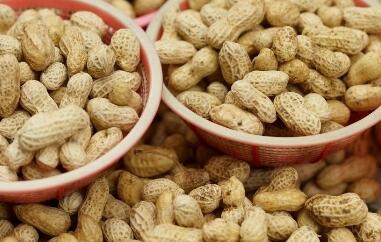
In elementary school we studied the essay "The Peanut," and its description of the peanut left a deep impression. "The peanut has many virtues, and one of the most precious is this: its fruit is buried in the ground, unlike peaches, pomegranates and apples, which hang their bright red and green fruit high on the branches, making people fall in love at first sight." The peanut can not only be used as an oil crop, but is also a food we commonly eat in daily life, with extremely high nutritional value, and enjoys the reputation of "plant meat" and "the meat among vegetables." So when are peanuts generally planted? How much profit per mu? What are the cultivation methods? Let us take a look together.
I. When are peanuts generally planted?
1. Sowing schedule for spring planting with plastic film mulching
|
2. Sowing schedule for spring planting in open fields
| Spring peanuts in the northern plain of the middle and lower Yangtze River | In early April |
| Jianghan Plain | Mid-April |
| Jiangsu, Anhui | Late April |
| Southern hilly area of the middle Yangtze River, northern Jiangxi and the Sichuan Basin | Late March - early April |
| Yunnan-Guizhou Plateau peanut area, southern Yunnan spring peanut area | Late March - late April |
| Yuanjiang River basin and Xinping and other places | Mid-May |
| Northwest inland peanut area, Gansu, Hexi Corridor and** | Late April - early May |
| Northern Liaoning, Jilin and southeastern Heilongjiang in the early-maturing peanut area of Northeast China | Early to mid-May |
3. Sowing schedule for summer peanuts
| Wheat-intercropped peanuts in Jiangsu and Anhui | Early May |
| Wheat-intercropped peanuts in Sichuan | Early to mid-April |
| Summer peanut area in central and western Yunnan | Early to mid-May |
| Summer peanut intercropping area in southwestern Yunnan and the spring-summer peanut rotation area in the Jinsha River basin | Early to mid-May |
II. How much profit from planting one mu of peanuts?
Peanut prices vary by region and variety; generally the lower-quality ones cost about 2.5 yuan per jin, and the good-quality ones about 4 yuan per jin.
Cost price table for one mu of peanuts (unit: yuan)
| Seed cost | 230 |
| Land preparation cost | 100 |
| Sowing cost | 50 |
| Fertilizer cost | 200 |
| Pesticide cost | 100 |
| Watering cost | 100 |
| Harvesting cost | 150 |
| Labor cost | 200 |
If the yield reaches 800 jin and the peanut quality is good, the basic net profit = (800*4)-(230+100+50+200+100+100+150+200) = about 2070. If the yield is low due to natural disasters and the quality is average, then the profit is relatively low as well.
III. Peanut cultivation methods
1. Apply sufficient base fertilizer
Peanuts need fertile soil, so the field for planting peanuts should be given sufficient base fertilizer; generally about 2000 kg of organic fertilizer is needed per mu. Potassium fertilizer, urea, iron, boron, calcium and others are also needed according to the situation.
2. Land preparation
When preparing land for peanut planting, the ground must be level, with no pits or bumps. Choose a place that is convenient for irrigation and for draining accumulated water. If using plastic film mulching, the ridges must be made straight, level and even.
3. Peanut seed treatment
The seeds must be dressed with chemicals to prevent pests and diseases at the seedling stage.
4. Sowing
For plastic film mulching cultivation, a suitable film should be selected before sowing; polyethylene film is relatively suitable. Generally the width should reach about 80-90 cm, and the thickness about 0.004~0.015 mm. Choose mid-April for sowing. If planting in open fields, it can be sown ten days later than with plastic film mulching.
5. Weeding
Peanuts are quite prone to weeds, so before or after mulching, professional herbicides can be chosen for weeding; the chemicals and amounts used must comply with national standards and must not cause pollution.
In summary, after peanuts emerge, growers also need to tend them carefully; improper care can also affect their yield. Generally, after mulching, the peanut field must be checked on time to prevent the film from being blown open by strong winds and damaged. After the peanut seedlings emerge, the film should be opened in time to prevent excessively high temperatures from harming the young seedlings. Also check the seedlings in the field regularly, and for fields with many missing seedlings, promptly adopt the method of sprouting to replant.