-

What to Do When Wax Begonia Gets Damping-Off Disease? A Detailed Guide to Prevention and Control Methods
Damping-off disease in wax begonia (Begonia semperflorens) is one of the common diseases of this plant, occurring both in flower nurseries and in home potted begonias. It mainly affects the stem base and the leaves near the soil surface. In the early stages of the disease, dark spots appear on the stem base near the soil surface, which expand and become brownish rot. Infected leaves develop dark green, water-soaked, round lesions
-

What to Do When Dracaena Gets Tip Blight? Detailed Prevention and Control Methods
Dracaena tip blight mainly affects the lower leaves. After the leaf tip is infected, the disease spreads inward; the lesion turns straw-yellow and sunken, with a brown line at the boundary between diseased and healthy tissue, and many small black dots form on the diseased area. The leaves often die from the disease, but on the middle leaves only the leaf tip dies back, which is why it is called tip blight. It therefore directly and greatly affects the ornamental effect.
-

What to Do When a Dracaena Fragrans Gets Anthracnose? Introduction to Prevention and Treatment Methods
Some flower enthusiasts' Dracaena fragrans plants have come down with anthracnose. Here is a brief introduction to the symptoms, patterns, and prevention and treatment methods of Dracaena fragrans anthracnose: 1. Symptoms: 1. The disease causes large leaf spots, and in severe cases an entire clump of leaves dries up and rots, losing its commercial value. 2. The disease affects many kinds of Dracaena fragrans.
-

What to Do When Camellia Gets Anthracnose? Illustrated Guide to Prevention and Control Methods
Symptoms and pathological changes of camellia anthracnose: Camellia anthracnose mainly affects the leaves. Diseased leaves have round or irregular brown to grayish-brown spots, with darker edges or yellow halos; some spots are grayish-white, and the leaf spots are sunken or have dark edges. On the spots, concentric-ringed or scattered small black dots appear.
-

What to Do When Amaryllis Gets Leaf Blight? A Detailed Guide to Prevention and Treatment
When temperatures are high, humidity is high, and ventilation is poor, amaryllis leaves are prone to leaf blight infection. In the early stages of the disease, brown spots appear at the leaf tips and leaf margins, then expand into red lesions; in severe cases, small black granules appear on the lesions, causing the leaves to turn yellow and wither prematurely. The prevention and treatment methods are as follows: 1. Strengthen care
-
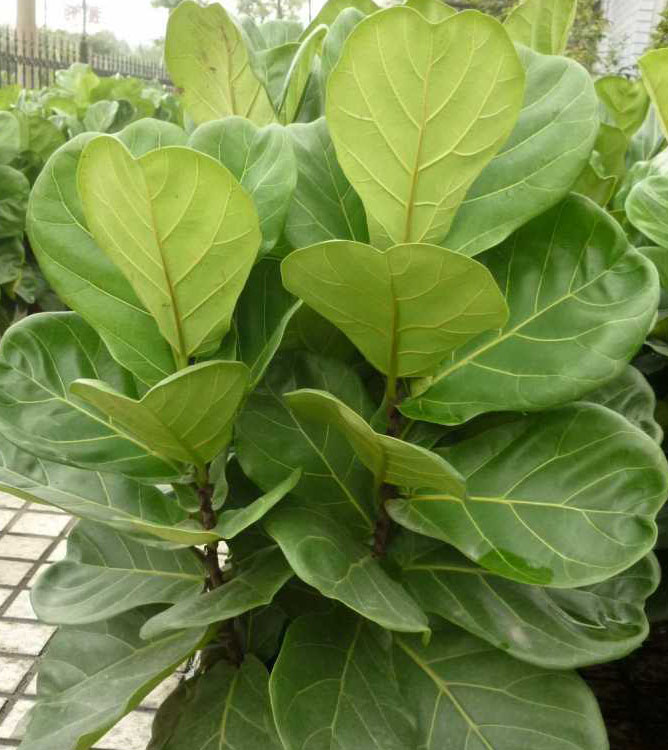
What to Do When Your Fiddle-Leaf Fig Gets Leaf Spot Disease? A Detailed Guide to Prevention and Treatment
Short-term temperature fluctuations and excessive watering during the dormant period can both cause leaf spot disease; in severe cases, the diseased leaves should be removed. Prevention and treatment methods: promptly remove diseased tissue and burn it in a centralized manner; practice crop rotation, or replace the soil indoors; avoid spraying water over the plant; begin spraying from the early stage of the disease to prevent it from spreading and worsening
-
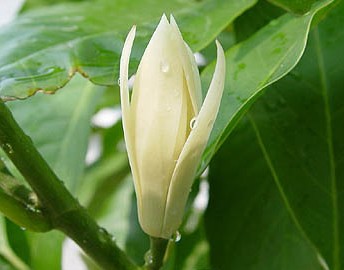
What to Do When White Magnolia Gets Chlorosis? Detailed Prevention and Control Methods
White magnolia prefers acidic soil. Its chlorosis is caused by soil that is too alkaline or irrigation water that is too alkaline. The symptoms are yellowing leaves and blackened, rotting roots. The prevention and control method is to spray the leaf surface with a 0.2% ferrous sulfate aqueous solution. Spray once every 5-7 days, and you can also regularly apply a 0.5% ferrous sulfate aqueous solution
-
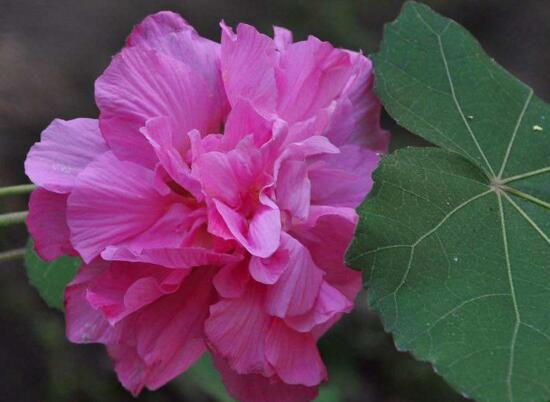
What to Do When Hibiscus Gets Pests? Pest and Disease Control Methods
Since ancient times, hibiscus has been deeply loved by people, and the phrase "lotus emerging from water" has been used to death. Nowadays, many people keep hibiscus at home, but during the care process, flower lovers will encounter some problems, such as how to propagate hibiscus, and what to do when hibiscus gets pests
-
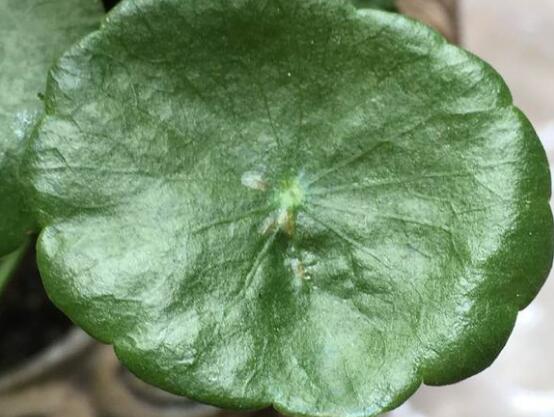
What to Do When Moneywort Gets Pests? A Complete Guide to Pest and Disease Prevention and Control
As people pay more and more attention to their health, many have started growing small plants at home, and because moneywort has remarkable benefits, growing moneywort has become a good choice. However, in the process of growing moneywort, pests and diseases are unavoidable, so what should you do when moneywort gets pests? In response
-
What to Do When a Ponytail Palm Gets Pests? Pest and Disease Identification and Treatment Methods
What to do when a ponytail palm gets pests? This article covers the symptom identification and control methods for the three major pests of ponytail palm - scale insects, plant bugs and whiteflies - as well as leaf spot disease. Spraying with a 1500x dilution of 40% omethoate and other agents, once every 7-10 days for 2-3 consecutive applications, can effectively solve the problem.
条件筛选