-

What to Do When Garlic Gets Viral Disease? All the Control Methods Are Here
Dai Hongming of Baimi Town, Jiangyan City called on December 1 and said that his 2 mu of garlic was at the 5-6 leaf stage, and recently 50% of the plants in the field had whole leaves turning yellow and deformed and twisted, with white root systems, and no herbicide had been used earlier. He asked what disease the garlic had and how to control it. On December 3, the Agricultural Technology 001 Studio received the diseased garlic seedlings he sent by express mail. Upon careful examination of the diseased seedlings, they were roughly at the 3-5 leaf stage, with intermittent short yellow-green striped spots on the basal 1-2 leaves, and some leaf tips had already
-
Kraft chicken nuggets recalled due to contamination with bacteria
Because test results found contamination with Listeria monocytogenes, yesterday the world-renowned Kraft Foods company announced the recall of all chicken tenders and chicken nuggets produced by Carolina Culinary Foods. This bacterium may cause illnesses such as septicemia, meningitis and mononucleosis. The city's food safety department said that previously it had not received reports of Kraft chicken tenders and chicken nuggets being sold in the city, and will keep monitoring the matter. It is understood that Listeria monocytogenes
-
What to Do If a Goose Gets Echinostomiasis? Detailed Prevention and Treatment Measures
Goose echinostomiasis is a parasitic disease caused by Echinostoma revolutum parasitizing the rectum and ceca of geese. Affected geese show diarrhea, anemia, emaciation, hemorrhagic enteritis and other changes, and severe cases can cause death. Geese, ducks and many other poultry can be infected. It is widely prevalent in China and is extremely harmful to young chicks. (1) Pathogen characteristics. Pathogen. The pathogen of echinostomiasis is Echinostoma, belonging to the family Echinostomatidae. There are many species of Echinostoma; nearly 120 species of this family have been found in China.
-
What Should You Do If a Snake Gets Stomatitis? A Detailed Guide to Prevention and Treatment
After snakes first wake from hibernation, their bodies are weak and thin, and certain harmful bacteria invade the snake's neck, causing swollen stomatitis. The sick snake's mouth stays open and cannot close, it cannot swallow food, and ultimately it starves to death from not eating or drinking. The treatment method is: rinse the sick snake's mouth with normal saline, then wipe both jaws with gentian violet solution, rinsing and applying once each per day, and continue until the inflammation subsides and the swelling goes down.
-
How do you deal with a snake den that gets flooded by summer rainwater?
Some people, when building an underground snake den, often overlook the fact that the den should be about 30-40 cm above ground level. And they build it in a spot that is bad for drainage.
-
What to Do When a Phalaenopsis Orchid Gets Gray Mold? Symptoms and Control Methods
Gray mold is one of the most common diseases in Phalaenopsis orchid production, occurring frequently during their growing season, especially during winter and spring greenhouse cultivation, and the pathogen can infect any part of the plant. If cultivation management is neglected, it further favors the occurrence and spread of the disease, and in severe cases can cause a large number of fallen flowers and leaves, not only affecting the plant's blooming but also directly reducing the ornamental value and yield of Phalaenopsis orchids. (1) Conditions for Onset Warmth and humidity are the main conditions for the spread of gray mold in Phalaenopsis orchids. That is, when relative humidity is around 90% and temperature is
-
Seed dressing for cotton has many benefits; the right method gets twice the result with half the effort
Many years of practice have proven that proper seed dressing at cotton sowing time is one of the important measures to ensure full stands and strong cotton seedlings. It can economically, safely and effectively control or reduce damage from cotton seedling diseases, cotton aphids, soil pests and other diseases and pests, achieving twice the result with half the effort. Now that Qingming has passed, cotton sowing work across the city has been fully launched. This technique is briefly introduced as follows: 1. Choose disease-resistant or disease-tolerant varieties or sow coated seeds, which can advance emergence by 3 to 4 days and reduce disease incidence. 2. Use 75% phorate
-
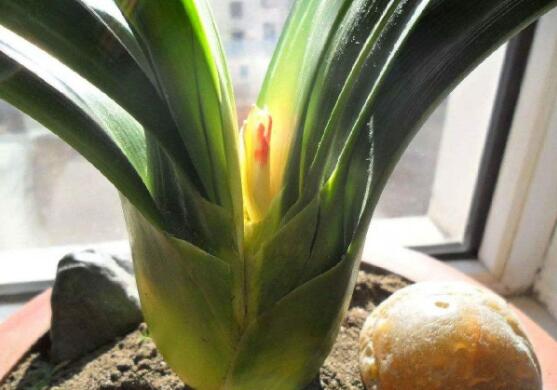
What to do when a clivia gets its flower stalk stuck? Try tying the leaves on both sides and pouring beer into the pot
Gardeners are all familiar with the clivia (Clivia miniata), which has thick, broad leaves that are emerald green and beautiful. But it is precisely because the leaves are large that clivias often suffer from a stuck flower stalk, meaning the flower is trapped by the leaves and cannot open. So what should you do when a clivia gets its flower stalk stuck? It is actually very simple: tie the leaves on both sides together
-
What to Do If a Peony Gets Southern Blight? A Detailed Guide to Prevention and Control
Southern blight of peony mainly occurs at the stem base of seedlings near the ground. Soil and fertilizer are the sources of infection, and the disease is especially severe when sweet potato or soybean was the previous crop. It is more likely to occur around flowering and during hot, rainy seasons. In the early stage, there are no obvious symptoms on the aboveground parts; as temperature and humidity rise,
-
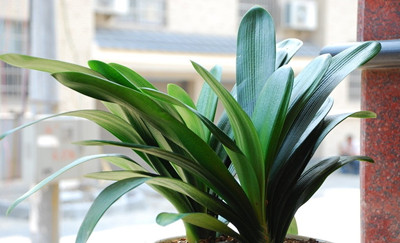
What to Do When a Clivia's Flower Stalk Gets Stuck? Causes and Solutions
"Stuck arrow" in clivia (Clivia miniata) means the flower scape is trapped in the gap between the leaves and cannot emerge. The main causes of a stuck arrow are as follows: Unsuitable temperature The optimum growing temperature for clivia is 15 to 25°C; below 15°C, growth becomes poor. Especially before the scape emerges, if the temperature does not reach above 15°C, the flower scape will find it hard to push out.
条件筛选