What to Do When a Dracaena Fragrans Gets Anthracnose? Introduction to Prevention and Treatment Methods
Some flower enthusiasts' Dracaena fragrans plants have come down with anthracnose. Here is a brief introduction to the symptoms, patterns, and prevention and treatment methods of Dracaena fragrans anthracnose:
1. Symptoms:
1. The disease causes large leaf spots, and in severe cases an entire clump of leaves dries up and rots, losing its commercial value.
2. The disease affects many kinds of Dracaena fragrans. The spots mainly occur at the leaf tips and leaf margins. In the early stage of the disease, small yellow spots appear on the leaves, which after expanding become irregular large spots of reddish brown; in the later stage, the center of the spot turns brown to grayish white, bearing many small black dots arranged in rings, with a dark brown margin surrounded by a yellow halo.
2. Patterns of occurrence:
1. The pathogen overwinters in diseased leaves, within diseased plants, and on diseased debris; it spreads through wind and rain and splashing water droplets.
2. High temperatures (25°C-30°C), frequent rain, poor ventilation with high humidity, excessive application of nitrogen fertilizer, and poor plant growth all favor the onset of the disease.
3. Outdoors, the disease occurs from May to October, and is severe during the rainy season; indoors, it occurs year-round.
3. Prevention and treatment methods:
Prevention methods: Drain promptly after rain, ventilate and let light through the greenhouse regularly, remove moisture and lower the temperature; during the peak growing season from April to August, apply additional dilute organic fertilizer, or a special fertilizer sold on the market, about once a month, and appropriately increase the application of phosphorus and potassium fertilizer; the growing medium should be loose, permeable, and fertile.
Treatment methods: In the early stage of the disease, spray 50% Shibaike or Shibaogong wettable powder at 1000 times dilution, or 10% Shigao water-dispersible granules at 3000 times dilution, or 25% Yingde suspension concentrate at 1000 times dilution, or 25% Tanteling wettable powder at 500 times dilution, etc. Once every 7-10 days.
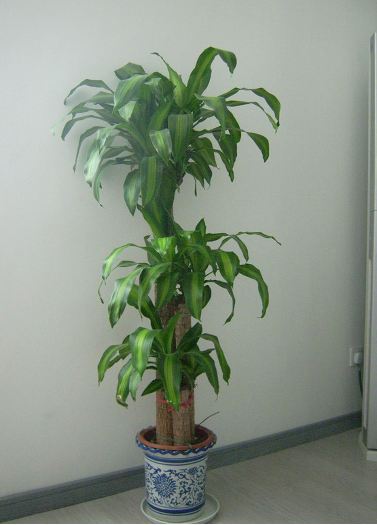
Prevention and Treatment Methods for Dracaena Fragrans Anthracnose
Some flower enthusiasts' Dracaena fragrans plants have come down with anthracnose. Here is a brief introduction to the symptoms, patterns, and prevention and treatment methods of Dracaena fragrans anthracnose:1. Symptoms:
1. The disease causes large leaf spots, and in severe cases an entire clump of leaves dries up and rots, losing its commercial value.
2. The disease affects many kinds of Dracaena fragrans. The spots mainly occur at the leaf tips and leaf margins. In the early stage of the disease, small yellow spots appear on the leaves, which after expanding become irregular large spots of reddish brown; in the later stage, the center of the spot turns brown to grayish white, bearing many small black dots arranged in rings, with a dark brown margin surrounded by a yellow halo.
2. Patterns of occurrence:
1. The pathogen overwinters in diseased leaves, within diseased plants, and on diseased debris; it spreads through wind and rain and splashing water droplets.
2. High temperatures (25°C-30°C), frequent rain, poor ventilation with high humidity, excessive application of nitrogen fertilizer, and poor plant growth all favor the onset of the disease.
3. Outdoors, the disease occurs from May to October, and is severe during the rainy season; indoors, it occurs year-round.
3. Prevention and treatment methods:
Prevention methods: Drain promptly after rain, ventilate and let light through the greenhouse regularly, remove moisture and lower the temperature; during the peak growing season from April to August, apply additional dilute organic fertilizer, or a special fertilizer sold on the market, about once a month, and appropriately increase the application of phosphorus and potassium fertilizer; the growing medium should be loose, permeable, and fertile.
Treatment methods: In the early stage of the disease, spray 50% Shibaike or Shibaogong wettable powder at 1000 times dilution, or 10% Shigao water-dispersible granules at 3000 times dilution, or 25% Yingde suspension concentrate at 1000 times dilution, or 25% Tanteling wettable powder at 500 times dilution, etc. Once every 7-10 days.
A Detailed Introduction to the Prevention and Treatment Methods and Symptoms of Dracaena Fragrans Anthracnose
Dracaena fragrans is a common woody flowering plant, often used for decorating home courtyards and gardens, and it has attracted many flower enthusiasts to grow it. The cultivation method for Dracaena fragrans is relatively simple, so do you know what common diseases Dracaena fragrans has? What are the prevention and treatment methods for Dracaena fragrans anthracnose? Today, the editor will give you a detailed introduction to the relevant knowledge, so let's learn about it together.
1. Symptoms:
1. The disease causes large leaf spots, and in severe cases an entire clump of leaves dries up and rots, losing its commercial value.
2. The disease affects many kinds of Dracaena fragrans. The spots mainly occur at the leaf tips and leaf margins. In the early stage of the disease, small yellow spots appear on the leaves, which after expanding become irregular large spots of reddish brown; in the later stage, the center of the spot turns brown to grayish white, bearing many small black dots arranged in rings, with a dark brown margin surrounded by a yellow halo.
2. Patterns of occurrence:
1. The pathogen overwinters in diseased leaves, within diseased plants, and on diseased debris; it spreads through wind and rain and splashing water droplets.
2. High temperatures (25°C-30°C), frequent rain, poor ventilation with high humidity, excessive application of nitrogen fertilizer, and poor plant growth all favor the onset of the disease.
3. Outdoors, the disease occurs from May to October, and is severe during the rainy season; indoors, it occurs year-round.
3. Prevention and treatment methods:
Prevention methods: Drain promptly after rain, ventilate and let light through the greenhouse regularly, remove moisture and lower the temperature; during the peak growing season from April to August, apply additional dilute organic fertilizer, or a special fertilizer sold on the market, about once a month, and appropriately increase the application of phosphorus and potassium fertilizer; the growing medium should be loose, permeable, and fertile.
Treatment methods: In the early stage of the disease, spray 50% Shibaike or Shibaogong wettable powder at 1000 times dilution, or 10% Shigao water-dispersible granules at 3000 times dilution, or 25% Yingde suspension concentrate at 1000 times dilution, or 25% Tanteling wettable powder at 500 times dilution, etc. Once every 7-10 days.
That is all the content I have learned today about Dracaena fragrans. I hope flower enthusiasts will find this article helpful. If you want to learn more about Dracaena fragrans, please continue to follow Succulent Garden, and we will provide you with more relevant knowledge!