-
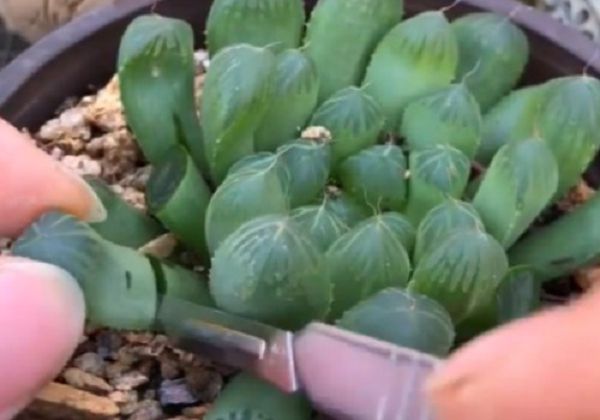
What to Do When Haworthia cooperi Variegata Gets Leggy? Learn the Correct Fix
How to Save a Leggy Haworthia cooperi Variegata?
-

What to Do If Your Guzmania (Vriesea) Gets Pests? A Detailed Guide to Prevention and Control
What to Do If Your Guzmania Gets Pests
-
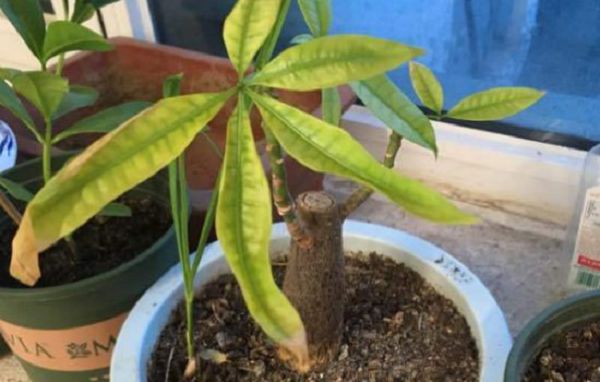
What happens if a money tree (Pachira aquatica) gets poor ventilation? These effects you need to know
What happens if a money tree gets poor ventilation
-
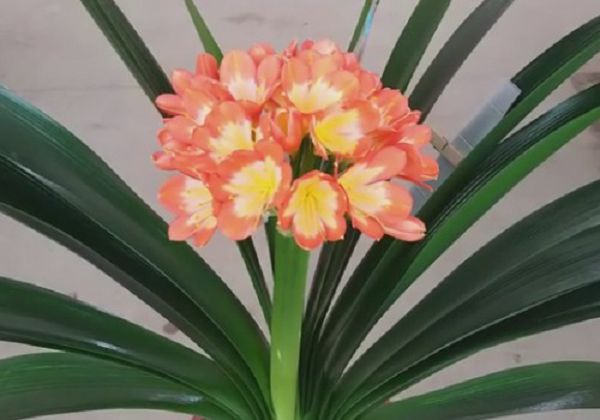
What to Do When a Clivia Gets Stuck Flower Stalks? Detailed Prevention and Treatment Methods
How to Prevent Stuck Flower Stalks in Clivia, and What to Do When They Happen?
-

What to Do When a Clivia Flower Stalk Gets Stuck (Jianjian)? Causes and Solutions
Causes and Solutions for Stuck Flower Stalks in Clivia
-
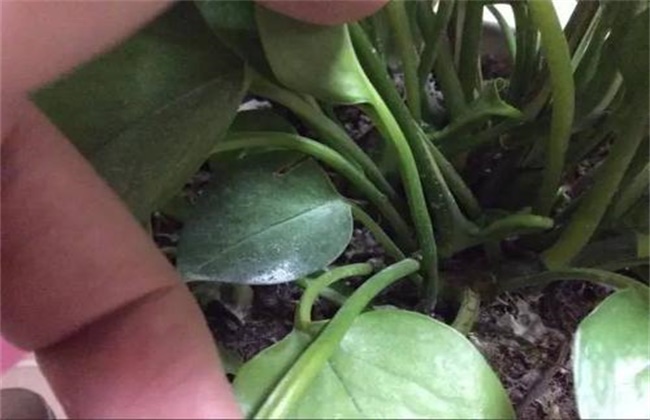
What to do when a potted pothos gets bugs? A few prevention and control methods
What to do when a potted pothos gets bugs
-

What should be done if a primrose gets anthracnose?
[Pathogen]Colletotrichum primulae, a fungus belonging to the Deuteromycotina subdivision and the genus Colletotrichum. [Symptoms]Brown round or nearly round spots appear on the leaves, and later sparse small black dots arranged in rings form on the spots; these are the pathogen's acervuli. [Occurrence pattern]The pathogen overwinters on infected fallen leaves, and conidia spread by wind and rain and enter through wounds. [Epidemic characteristics]Higher humidity favors the occurrence of the disease or aggravates the condition. [Control measures
-
What to Do When Impatiens Gets Powdery Mildew? A Detailed Guide to Prevention and Treatment
[Distribution] It occurs in all regions around the world. [Symptoms] The disease mainly occurs on leaves and tender shoots, and in severe cases harms flower buds and capsules. In Beijing, the disease begins after June, and after July the leaf surface gradually becomes covered with a white powdery layer, gradually expanding until the entire leaf is covered with a white powdery layer; in the later stage, yellow small spots form on the powdery layer, and the color gradually deepens, turning dark brown; these are the cleistothecia of the pathogen, which appear spherical under a magnifying glass. The dark brown small spots mainly appear on the upper surface of the leaves, while spots on the underside are sparse. In severe cases, the leaves wither and drop early. In Shanghai, it generally occurs after flowering
-
What to Do When Impatiens Gets Mosaic Disease? A Detailed Guide to Prevention and Control Methods
Symptoms The disease occurs at the root crown. At first the root crown turns brown and constricts, later causing damping-off symptoms. Generally, in flower beds during the plum rain season, and when potted flowers are too wet, the disease occurs more frequently. Pathogen PhytophthoranicotianaevanBredadeHaanvar.parasitica(Dastur)Waterhouse Transmission routes and disease conditions The pathogen overwinters in seeds or as mycelium and oospores with diseased plant debris in the soil, and spreads through wind
-
What should I do if my impatiens (touch-me-not) gets mosaic virus disease?
Impatiens mosaic virus disease occurs relatively commonly in Shanghai, Guangzhou, Nanning and other places in China. [Pathogen] Cucumber mosaic virus (CMV), see Gladiolus virus disease for details. [Symptoms] The new leaves at the top of the plant develop mosaic patterns, sometimes deformed; in severe cases, the shoot tips become rosette-like and the plant is stunted. [Occurrence pattern and epidemic characteristics] This virus has a very wide host range, and there are more than 60 species of aphids that transmit it, with the main vectors being Myzus persicae, Aphis gossypii, and corn leaf aphid (Aphismaidis), etc.
条件筛选