-
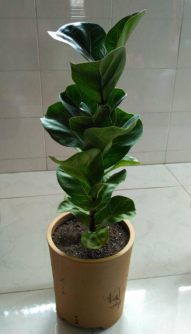
A detailed guide to fiddle-leaf fig propagation methods, teaching you how to easily propagate new plants
1. Cutting the cuttings. When propagating fiddle-leaf fig by cuttings, it is best to choose one- to two-year-old branches, cut them off 20 to 30 cm above the soil surface in the pot, then cut the removed branches into sections of three or four nodes as cuttings. Each cutting should keep one leaf, and about two-thirds of the leaf should be cut off, which can reduce water evaporation.
-
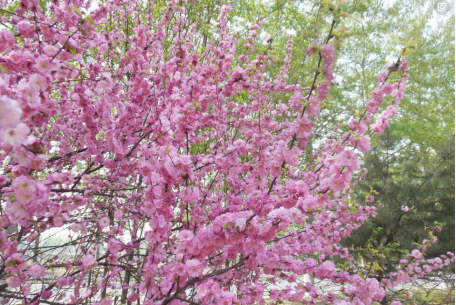
How to propagate ornamental peach? A detailed guide to common propagation methods
Ornamental peach can be propagated by sowing or grafting, and to maintain a high survival rate, grafting is often chosen to propagate ornamental peach flowers. Among grafting methods, budding is most often used, as the survival rate of such grafting can reach over 90 percent. Budding is usually carried out from July to September
-
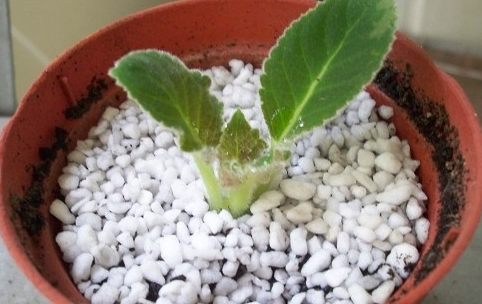
How to propagate Gloxinia? A detailed guide to common propagation methods
1. Seed propagation: To sow Gloxinia seeds, soak them for one day to encourage germination, then evenly scatter the seeds over the potting soil, moisten the pot with water, cover with glass, and place in an environment of 18-20°C; they will generally germinate after about ten days. 2. Division propagation: The corms need to be two to three years old
-
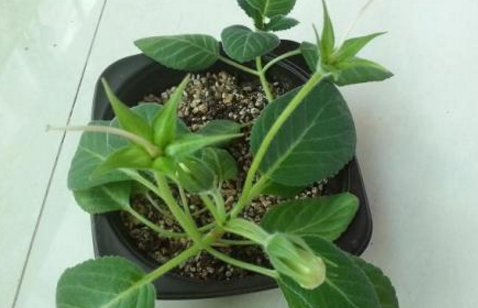
Detailed Guide to Gloxinia Cutting Propagation: Easily Propagate New Plants
For stem cuttings, the growing medium can be fine sand or perlite. Choose a container with holes in the bottom, and keep the soil loose and airy. Select a shoot with 4 leaves, cut it off with scissors that have been flame-sterilized, place the shoot into a small hole, cover with soil, provide shade, and keep the temperature at 18°C-20°C; it will sprout in half a month.
-
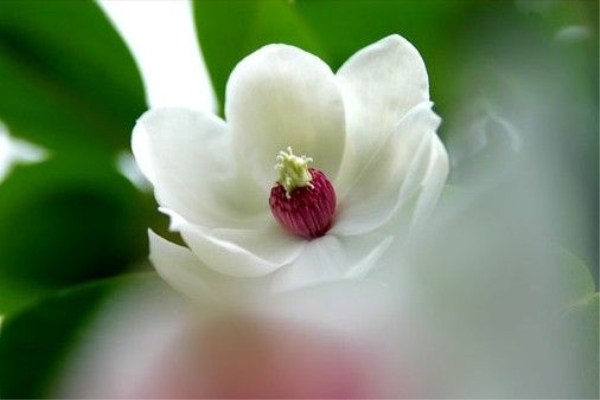
How to propagate Magnolia sieboldii? Introduction to common propagation methods
For propagation by cuttings, we should first prepare fertile soil rich in leaf litter humus. When taking cuttings, choose the young shoots produced by the Magnolia sieboldii, remove all the leaves at the lower end, and cut half off the upper leaves. Insert 4 to 5 cm into the soil, then water thoroughly and keep the soil moist
-

How to Propagate Black-Eyed Susan Vine by Seed? A Detailed Guide to the Method
Tools Needed: For seed propagation, you will need a flower pot, potting soil, a trowel, seeds, a watering can, and so on. Preparation Work: Seeds. Before propagating by seed, the first thing to do is choose seeds. Select healthy black-eyed Susan vine seeds, dry them in the sun, and then store them to prevent the seeds from germinating or becoming moldy.
-
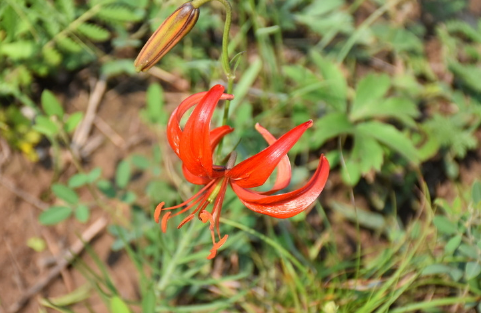
How to propagate Lilium pumilum? A detailed explanation of propagation methods
Cutting propagation The most common method of propagating Lilium pumilum is scale cuttings; bulbs are usually planted in late spring or autumn. When the planted bulbs are dormant, they can be divided and buried separately in soil, grown for one year, and then planted out. The bulbs can also be kept in warm peat until bulbils grow, then cultivated in a greenhouse before planting.
-
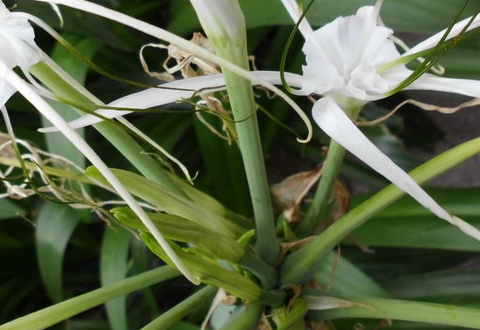
How to propagate the spider lily? These methods make it easy
Division of bulbs Spider lilies are generally propagated by dividing bulbs in April-May. When repotting, dig out the bulbs, divide them, and then plant them. Do not plant them deep; the neck of the bulb should be level with the ground surface. Division of offsets The mother plant of the spider lily usually produces some small shoots that can be used for division. Generally, in spring, in February-March, take the mother plant out of its pot
-
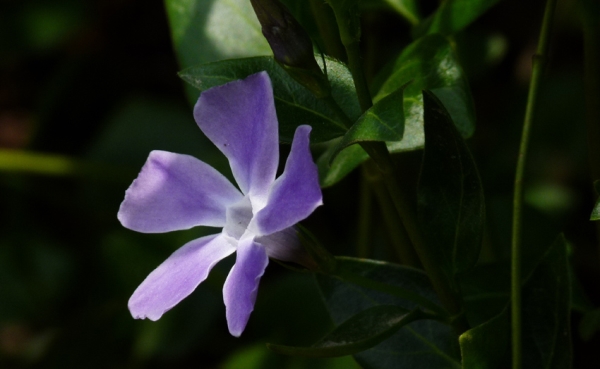
Why does variegated greater periwinkle fail to bloom?
Soil problems: If, during cultivation, the potting soil for greater periwinkle uses clayey soil that is on the alkaline side and has poor aeration, it may lead to poor drainage, poor air permeability, or even soil that is too poor, causing poor growth of greater periwinkle and resulting in failure to bloom. Overwatering: During the blooming period of variegated greater periwinkle, watering should be reduced.
-
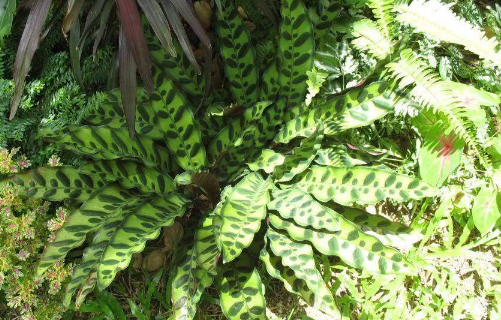
How to propagate Calathea oppenheimiana? A detailed guide to common propagation methods
1. Division. Division propagation has the highest survival rate among the propagation methods for Calathea oppenheimiana, and it is best carried out in spring when everything comes back to life and the weather is warm. Choose a sunny day with a temperature of 18-22°C. Select a robust stem and cut it off together with the root section of the stem and leaves.
条件筛选