-
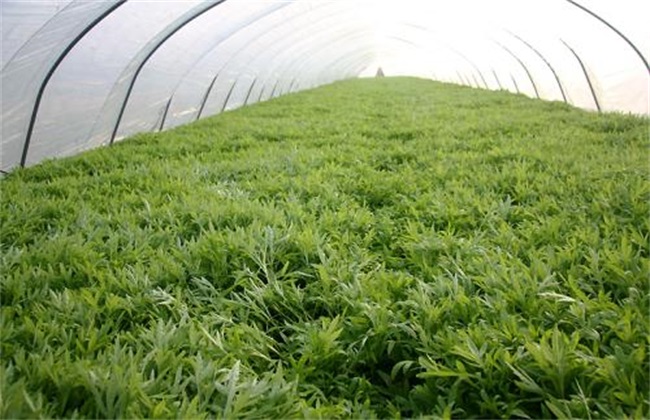
How to Propagate Artemisia selengensis? Detailed Explanation of Common Propagation Methods
Propagation Methods for Artemisia selengensis
-

How to irrigate peppers in winter in a more scientific and reasonable way
How to irrigate peppers in winter
-

How to irrigate peanuts reasonably? Detailed explanation of the correct method
Reasonable irrigation methods for peanuts
-
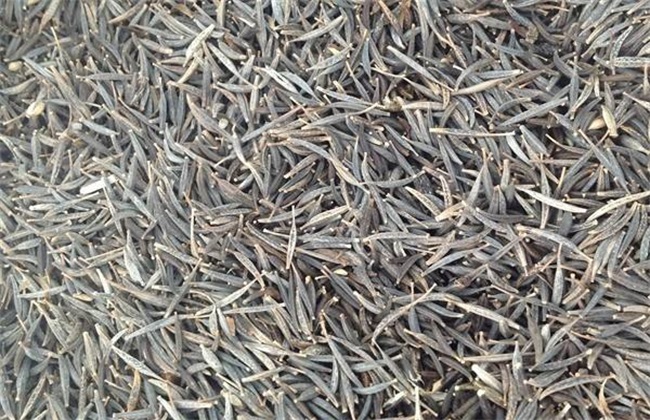
How Does Purslane Propagate? A Detailed Guide to Common Propagation Methods
Purslane Propagation Methods
-
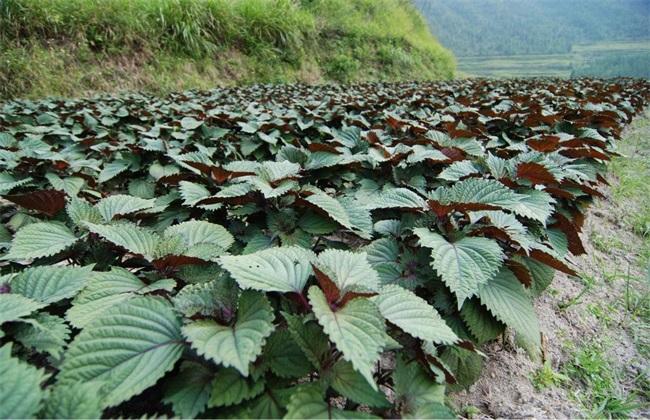
How to Propagate Perilla? A Detailed Guide to Common Propagation Methods
Perilla Propagation Methods
-
-

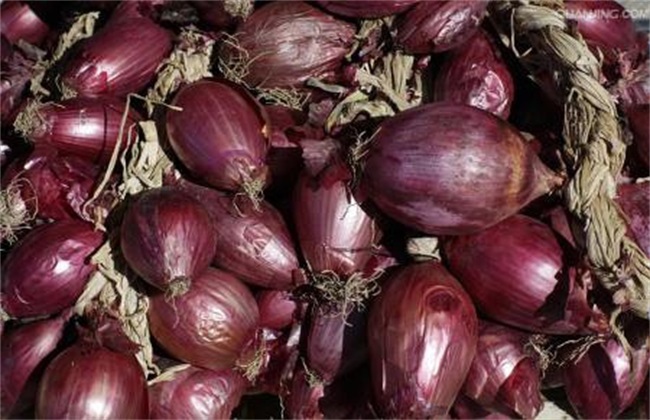
How to propagate Chinese toon? A detailed introduction to common propagation methods
How should Chinese toon be propagated
-

How to Propagate Lotus Root? A Detailed Explanation of Several Common Methods
-- Lotus seed propagation. Since lotus seeds are covered with a hard shell, first crack open the sunken end of the shell, then soak it in water at 26-30°C to promote germination. Once the sprout emerges, it must still be kept submerged in water to prevent dehydration and shriveling; when it grows to 4 leaves and 1 rhizome runner, it can be planted out in the field. Because lotus seed propagation grows slowly in the early stage, seedlings must be raised in a protected area 1 month in advance so that lotus roots of commercial value can form in the same year. -- Whole lotus root propagation. Plant the entire main lotus root together with its daughter roots and granddaughter roots at a certain row and plant spacing; the planting method is to insert the top end into the mud, with the tail tip exposed
-
Are variegated shell ginger and variegated galangal the same plant?
Scientific name: Alpinia zerumbet cv. Variegata. Common name: variegated galangal. Family and genus: Zingiberaceae, Alpinia. Description: An evergreen herbaceous foliage plant. It grows 1-2 m tall, and potted plants are mostly under 1 m tall. Its rhizomes are creeping and fleshy. The leaves are leathery, with short petioles, short-oblong lanceolate; about 50 cm long and 1J5-20 cm wide; the leaf surface is dark green with golden-yellow longitudinal stripes and patches, and is glossy. The panicle is pendulous, the bracts are white with yellow edges, and the apex and base
-
How to propagate Lycoris longituba? Introduction to common methods
Lycoris longituba is native to eastern China, with wild populations distributed in the middle and lower reaches of the Yangtze River. It is highly cold-tolerant and prefers shady, moist conditions. However, it also grows well in sunny spots. Well-drained, fertile sandy loam is the best soil. It has strong stress resistance and is easy to cultivate. Propagation: Division and seed sowing are commonly used. For division, dig up the plants when the leaves or flower stems have just withered, then separate the bulbs. Planting depth is 10 cm; the contractile roots can automatically adjust the depth of the bulbs. For seed propagation, sow immediately after collecting the seeds. With autumn sowing, by the following spring the young roots germinate and
条件筛选