How Does Purslane Propagate? A Detailed Guide to Common Propagation Methods
Purslane is an annual herbaceous plant with a wide distribution and strong adaptability to life. It often grows on roadsides and in fields, and is a wild vegetable commonly eaten by people. The whole plant can be used as medicine and has the effect of clearing heat and detoxifying. Its main propagation methods are sowing and cuttings. Since its stems and leaves are plump, fleshy stems, cuttings root easily. Now let us introduce them together.
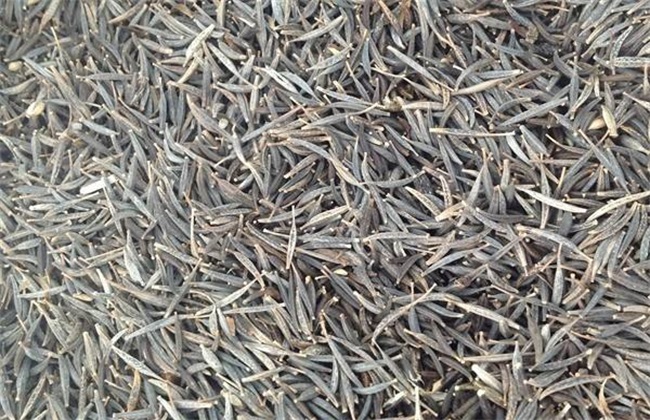
I. Propagation by Sowing
1. Land Selection and Preparation
Choose fertile, moist land, preferably a wind-sheltered, sunny spot, and sow in a place with high terrain. Then the soil should be improved into loose, fertile soil with definitely good drainage, and it must not accumulate water. Land preparation mainly means plowing about 25 cm first, and that is enough. The root system is not distributed deeply, so plowing too deep means the subsoil has no nutrients. Then apply about 1300 jin of grass-based composted fertilizer per mu to increase soil fertility. After mixing the soil and fertilizer, cover it with topsoil, and it is enough to till the topsoil finely.
2. Sowing and Raising Seedlings
The seeds are tiny, and the seed coat is not thick. You can sow directly to raise seedlings, and the time will not be too long. Another point is that soaking seeds in hot water can easily scald the seeds. For the seedling bed, select a portion of land beside the field to make the bed, with a width of 1.3 m. The length should not exceed 5 to 6 m, as that would affect drainage. Small seeds are generally broadcast evenly directly on the bed surface, then covered with soil to a depth of within 1 cm. Spray water; do not use a hose to water, as the seeds are easily washed away. Raising seedlings in a small arched shed can keep warmth and moisture, and seedlings emerge quickly, but attention must be paid to ventilation, as seedlings are easily burned. Raising seedlings in a large greenhouse is relatively much milder.
3. Management After Emergence
Keep it moist every day, spray water daily, and you can spray a small amount many times. As long as the seeds are not soaked and rotted, they will emerge in about a week. In the middle period of the small arched shed, ventilate once at noon during the day, briefly. A large greenhouse may not need ventilation. After emergence, reduce water to prevent disease. Once the seedlings grow 3 to 4 true leaves, they can be transplanted. Transplant and plant on ridges, with ridge rows 20 cm wide, and a row spacing of 15 cm is enough for people to pass through. After transplanting, apply dilute fertilizer water to help them take root and recover as soon as possible.
II. Propagation by Cuttings
Take branches from plants sown in the current year or from wild seedlings. Choose plants with strong sprouting ability to take cuttings. This does not damage the plant, and the cuttings also root easily. When taking branches, keep 3 to 5 nodes; short, sturdy branches are better. Make a seedling bed in a greenhouse, similar to the sowing seedling bed. Then the soil should be loose, apply farmyard manure well, cover with topsoil, and level it. First water thoroughly, then use a small stick to make holes and insert the cuttings. Leave about 3 cm of the cutting exposed, with a plant spacing of 3 cm and a row spacing of 5 cm. After that, keep moist and provide shade, and they will root in about a week.
The above is an introduction to purslane propagation methods. I hope friends who are interested can gain something after reading it. That is all for the specific introduction.