How to irrigate peppers in winter in a more scientific and reasonable way
Peppers are a common seasoning vegetable in our daily lives, and they are cultivated all over our country. Compared with other vegetables, peppers have relatively strict requirements for soil moisture content; they are a crop that is neither drought-tolerant nor waterlogging-tolerant. In winter, the temperature is also low, so how should they be watered at this time? Follow the editor to take a look at the detailed introduction below.
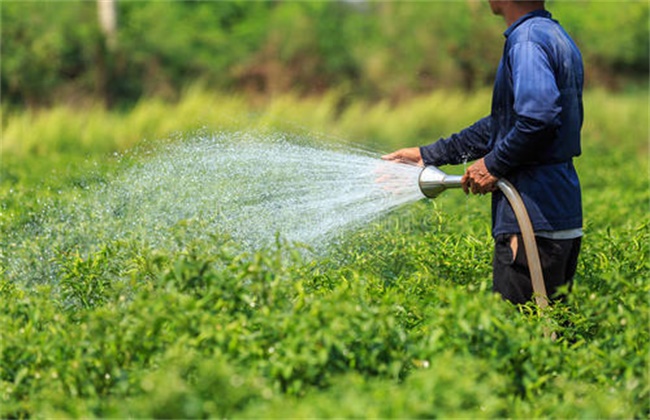
1. Strictly prohibit blindly following the trend when irrigating
In winter cultivation, greenhouses are mostly used in winter, and their indoor spaces are relatively windless, so the evaporation and downward seepage of soil moisture are much slower than in open-field cultivation. Therefore, if watering is too frequent and the water cannot seep down and evaporate, it will cause water accumulation and harm the root system. So when watering peppers in winter, it is essential to integrate the specific growth conditions of the main stem and seasonal changes, and never irrigate by blindly following the trend.
2. Do not irrigate in low-temperature cloudy and rainy days
The temperature in winter is already low to begin with. When a cold wave arrives, both the air temperature and soil temperature inside the greenhouse will drop rapidly. If irrigation is carried out again at this time, it will further reduce the greenhouse soil temperature, making pests, diseases, and root rot very likely to occur. Therefore, do not water at all during low temperatures and cloudy and rainy days. If the rainfall is relatively heavy, drainage work also needs to be done well. In addition, ordinary watering in winter should also be determined according to the soil temperature, and the water temperature should be controlled to be close to the soil temperature, so that the soil temperature will not drop rapidly and affect root growth and development.
3. Irrigation time
The outside temperature in winter is generally low, so morning is the best irrigation time. You can choose to irrigate with well water before 10 a.m., which is best. It is not recommended or strictly prohibited to use river water for irrigation, and irrigation is also not recommended at noon or at night, in order to prevent a sudden drop in soil temperature and an increase in greenhouse humidity, which would raise the risk of stem disease. If rainy or snowy weather occurs after irrigation and the humidity inside the greenhouse is relatively high, smoke agents can be used to protect the stems from pests and diseases.
4. Irrigation method when cloudy and rainy days turn clear
Winters in the south are mostly continuous cloudy and rainy days. When this lasts for a long time, both the air temperature and soil temperature inside the greenhouse are extremely low. If the weather suddenly turns clear and the air temperature rises rapidly, but the soil temperature rises relatively slowly and the roots and stems are still in poor condition, then irrigating at this time will cause the soil temperature to drop, causing the roots and stems to develop physiological water deficiency in the plants, and it will also induce pests and diseases.
The above is an introduction to how to irrigate peppers in winter. I hope it can help you. If you want to learn more related knowledge, please keep following us.