How to irrigate peanuts reasonably? Detailed explanation of the correct method
Peanuts are generally cultivated in sandy soil and need a breathable soil environment, but peanut growth also requires moisture, and when natural moisture is insufficient, water must be supplied artificially. So how should peanuts be given supplemental water, what kind of irrigation method should be used, and how should irrigation be carried out to achieve the best effect? Read on to find the answers.
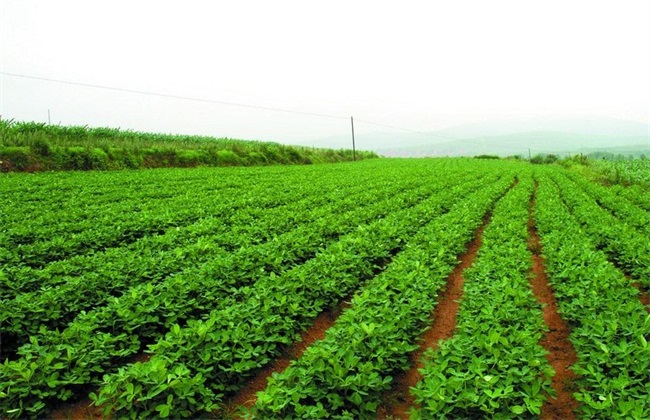
1. Irrigation principles
Do not use flood irrigation. Even during the flowering and pegging stage, when water demand is greatest, watering must always maintain soil breathability. Irrigation should always follow a curved pattern of less in the early stage, more in the middle stage, and less in the late stage. The pegging stage requires somewhat more irrigation. In fact, different peanut varieties have different water requirements. Water must not be excessive, as this affects flowering, reduces fertilization, and harms development.
2. Growth stages
At this time water consumption is not high, that is, from sowing to emergence, water consumption is very low, but the soil needs to be sufficiently moist and humidity kept high, so that growth and development remain good. However, when moisture content is too low, irrigation is needed. Generally, if you grab the soil and it forms a ball, then release it and it falls apart, it is time to irrigate. If you grab it and it forms a ball that does not crumble, you can skip irrigation.
3. Pegging stage
During the flowering stage, large numbers of pegs form, growth is relatively fast, stems and leaves grow vigorously, daily transpiration increases, and a large amount of water must be supplemented. When the pegs begin to penetrate the soil and pods form, even more water is needed. This is the period of greatest water consumption; use drip irrigation to supply water continuously and keep the soil moist at all times.
4. Irrigation methods
Open furrows in the field, one furrow every other row, then plant on raised ridges, then let water into the furrows until the soil in the nearby ridge rows is moist, then drain the water out. For sprinkler irrigation, you can connect a hose directly to a sprinkler head and spray evenly in sequence. For drip irrigation, directly use a soft hose with small holes of about 5 mm punched at 20 cm intervals, and lay it in the field row by row. These methods can be chosen according to water demand.
Peanut irrigation requires selecting a suitable irrigation method according to the growth stage and water demand in order to irrigate fully, but actual conditions should be analyzed on a case-by-case basis.