How to Propagate Shallots? A Detailed Guide to Common Propagation Methods
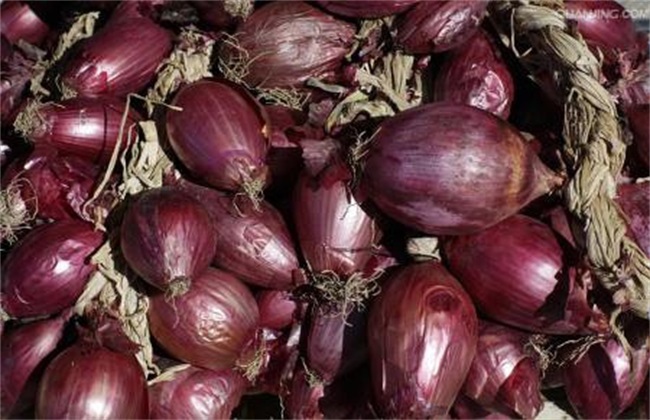
Shallots are a type of onion that looks like an onion on the outside, but can be divided into cloves inside, and each clove has no membrane protecting it. They are mainly grown in the northwest region, where cultivation is fairly widespread, but they can also be grown in other regions. To grow them, you first need to propagate and raise seedlings before you can plant them on a large scale. At present, shallot propagation mainly relies on division propagation, an asexual method. The following is a separate introduction to each aspect.
1. Seed Selection and Saving
First, during the previous crop's cultivation, before the aboveground part withers, select seeds when the bulbs begin to swell. Choose some robust seed plants in good condition, then tie red string on them as a marker. During management, they should be managed separately, with more meticulous and thorough care. After harvesting, collect these seed plants together for processing and storage. Just place them in a ventilated spot, because they can be planted again in September. For planting, choose large bulb cloves to plant.
2. Land Selection and Preparation
Choose flat land that is slightly higher than ordinary ground for planting. The soil should preferably not be heavy clay, nor should it be compacted. Under such conditions, apply farmyard manure to improve it, ideally turning it into sandy loam that retains water and fertilizer well. The planting beds should be set up according to specifications of 5 to 7 m long and 1 to 1.2 m wide. First plow the land, and you can plow it several times repeatedly, then break up all the soil into fine pieces, finally level the land, spray it with a chemical treatment, and plant after three days.
3. Planting
Before planting, the seed stems need to be sprayed with some chemicals to prevent diseases, such as 50% chlorothalonil or carbendazim diluted with water and sprayed on. Then separate the bulbs into individual cloves, and plant them with a spacing of 3 cm between plants and 4 cm between rows. However, you can also plant them freely; alliums can be planted a bit more densely. Directly insert the bulb cloves into the soil on the land. Generally, insert two-thirds of the bulb, leaving the growing point exposed. Be careful not to plant them upside down, as they will not sprout and will rot. Then press down the soil beside them to secure them and prevent them from tipping over.
4. Seedling Stage Management
After planting, water them, but there is no need to water every day, because the bulbs themselves contain a lot of moisture. Water about once every three days. Right after planting, there is no need to water. Then, after they sprout and emerge evenly, when about 80% of the bulbs have sprouted, you can water once more. At this point, they have basically moved past the stage of relying on the bulbs for nutrient and water supply. While watering, apply a light fertilizer solution once, mainly a compound fertilizer. After direct planting, there is no need to thin the seedlings, but any that have not emerged should be replanted promptly, to catch up with the growth stage of the others.
The main propagation method for shallots is asexual division propagation. The above mainly introduces the propagation process of shallots, hoping to provide some reference and help, so that it is of some help to your own planting. You are welcome to continue following other agricultural updates.