-

-
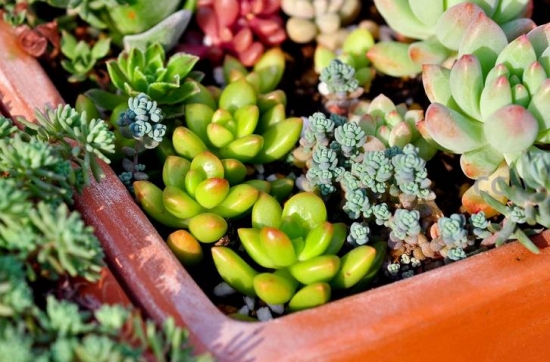
Four Methods of Succulent Propagation and Points to Note
The most commonly used propagation methods for succulents include sowing, cuttings, grafting, and division.
-
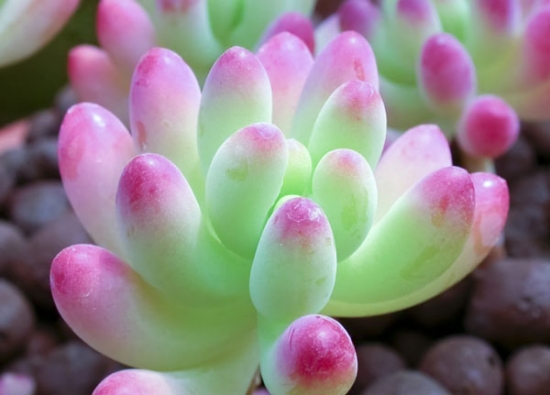
Succulent Root Pruning Techniques and Four Key Points for Care and Management
Good ventilation and sunlight are the keys to keeping succulents alive, but if you want to grow succulents that look beautifully gorgeous, you also need to understand these four key points.
-
Edible Mushroom Cultivation Methods: Four Key Points for Supplementing Nutrition
Four Key Points for Supplementing Nutrition in Edible Mushrooms
-
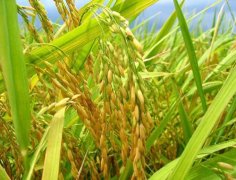
Four Key Points of Rice Seedling Cultivation Technology and Materials Needed for the Seedling Soil Formula
Rice is now our most important food, it is our staple food, so how much do you know about rice cultivation methods? Let's first take a look at the rice seedling cultivation methods below! Seedling cultivation methods 1. Seedbed soil Use one part wood shaving compost (each box weighs about 520 grams, 125 kg per hectare), add one part crushed rice husk (each box weighs about 150 grams, 36 kg per hectare), add one part soil (each box weighs about 800 grams, 192 kg per hectare), that is, a 1:1:1 volume ratio as the seedling cultivation material. The mixing method is carried out with a mixing mixer, or one part wood shaving compost and one part crushed rice husk are evenly spread on the upper layer of the soil pile, then mixed into the soil with a tractor, and finally screened with an electric soil crushing and soil sieving dual-purpose machine to obtain uniform seedbed soil. For covering soil, mix one part crushed rice husk with one part soil (that is, 1:1) for covering. The total soil amount including covering soil, calculated at 300 grams per box, is 264 kg per hectare. Compared with the current 432 kg of seedling soil mixed with rice husk and soil, this saves 168 kg per hectare (38.9%).
-
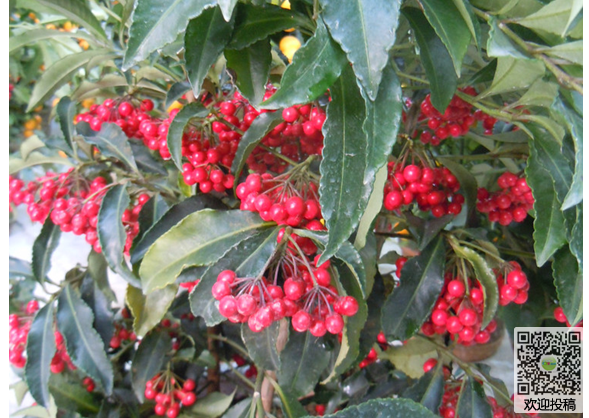
Detailed Guide to Four-Season Care for Ardisia crenata: Key Points for Spring, Summer, Autumn and Winter
Ardisia crenata is one of the commonly used Chinese herbal medicines. Its roots and leaves can be used to remove dampness, eliminate pain and relieve pain. It is used for rheumatism, indigestion, pharyngitis and irregular menstruation. It is edible, oily and ornamental. Below, the editor introduces the four-season care methods for Ardisia crenata. I hope everyone likes it
-
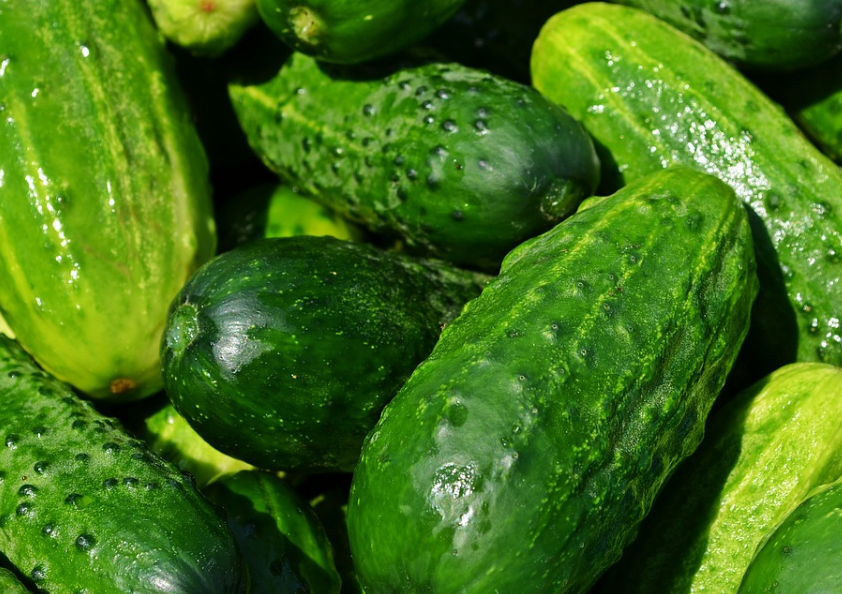
Four Key Points for High-Yield Cucumber Cultivation and How to Treat Yellowing Leaves
Cucumber is one of the main summer vegetables in all parts of China. It likes warmth and cannot tolerate cold, belongs to the Cucurbitaceae family, is monoecious (bearing both male and female flowers on the same plant), and its flowering and fruiting period is generally in summer. Cucumbers taste refreshing, sweet and crisp, and are loved by people of all ages. So, do you know what the four key points for high-yield cucumber cultivation are? How do you treat yellowing leaves?
-
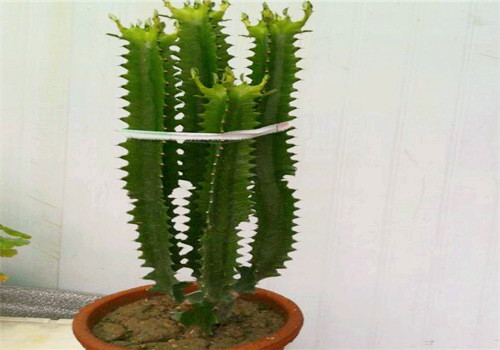
How to grow a dragon bone plant well? Master four key points of cultivation
When it comes to the dragon bone plant, many people may not recognize it, but if you mention dragon fruit, everyone is surely more familiar with it. Actually, dragon fruit grows from the dragon bone plant. Because its appearance resembles a dragon's bone, it is called the dragon bone plant. So do you know how to grow the dragon bone plant? How to grow the dragon bone plant
-
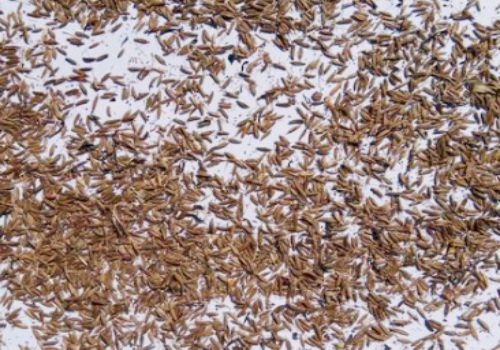
How to Grow Dandelions for High Yield? Detailed Explanation of Four Key Growing Points
Dandelion, also known as pugongcao and other names, is a plant used both as medicine and food, and because it has the effects of clearing heat, detoxifying, reducing swelling and dispersing nodules, it is loved by many people. This has also attracted many people to cultivate it artificially, but some growers do not achieve high dandelion yields.
-

The Language of Hyacinths and a Detailed Explanation of the Four Key Points of Cultivation
The Language of Hyacinths, the Four Key Points of Hyacinth Cultivation
条件筛选