How to grow a dragon bone plant well? Master four key points of cultivation
When it comes to the dragon bone plant, many people may not recognize it, but if you mention dragon fruit, everyone is surely more familiar with it. Actually, dragon fruit grows from the dragon bone plant. Because its appearance resembles a dragon's bone, it is called the dragon bone plant. So do you know how to grow the dragon bone plant?
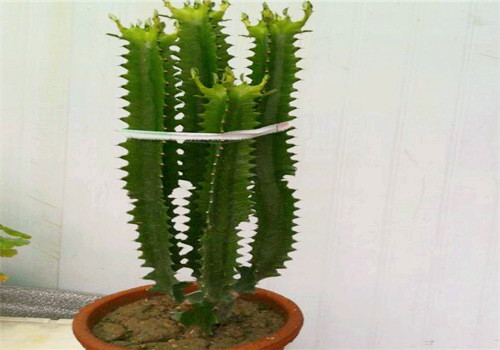
I. How to grow the dragon bone plant? Four key points teach you how to grow the dragon bone plant well!
Key point one: Loose soil
The dragon bone plant relatively prefers to grow in fertile, loose soil containing humus. So when cultivating it, we had best choose this kind of soil. You can choose to mix leaf mold and coarse sand at a 1:1 ratio, then add a small amount of chicken manure and also add microbial inoculant. If you do not have such good conditions, relatively soft soil will also do. Over time, the characteristics of the soil will change along with the growth of the dragon bone plant.
Key point two: Appropriate watering
The dragon bone plant is actually a plant that is relatively tolerant of drought and intolerant of moisture, so when watering the dragon bone plant, be careful not to water too much, so as to avoid root rot caused by overly moist soil. In spring, watering about once every half a month is enough. In summer, it can be watered once a day, but in winter the dragon bone plant enters a dormant period and stops growing. At this time, there is no need to water frequently; about once a month is enough.
Key point three: Sufficient light
The dragon bone plant is a plant tolerant of high temperatures, and its requirements for light are also relatively high. Apart from protection being necessary under extremely harsh sunlight, it can be grown in full sun at other times. But note that if it is placed indoors, try to place it by a wall near the light, and keep the temperature at 25°C-35°C.
Key point four: Fertilizing during the growing period
During the growth period, the dragon bone plant can be appropriately fertilized, which can ensure it replenishes nutrients and grows more vigorously. However, because the dragon bone plant itself has relatively sufficient nutrients, fertilization should also be moderate. Do not apply concentrated fertilizer, otherwise root rot easily occurs. Fertilizing once a month is enough. You can choose to use bone-meal fertilizer water or granular compound fertilizer.
II. What should be noted during the process of growing the dragon bone plant?
Because the white sap in the fleshy stems on the dragon bone plant is toxic, and its fleshy stems also have thorns, if touched by accident there is a risk of poisoning, so when growing the dragon bone plant you must be careful. Do not let the elderly and children touch the dragon bone plant casually, and be sure not to get it into the eyes, otherwise the consequences are relatively serious. If it accidentally gets on your hands, remember to wash your hands immediately, and do not get it into your mouth to avoid poisoning. Secondly, when growing the dragon bone plant, note that it should be repotted once every two years, and choosing a pot proportional to it is enough. This can let it grow better.
III. What to do if the dragon bone plant has root rot?
1. A large part of the reason for root rot in the dragon bone plant is too much water. At this time, you can pour out the excess water. It is recommended to replace its soil with new soil, then place the potted plant in a new place to air and dry.
2. If the light is unsuitable, whether from excessive exposure or failure to provide sufficient light, root rot can also occur. At this time, we just need to place it in an appropriate place. It can be placed where light can reach, and when the light is strong, appropriate shading can be provided.
3. Another cause of root rot in the dragon bone plant may be excessive or overly concentrated fertilization. At this time, if the roots have rotted, you can immediately cut off the rotted roots, then use burned grass ash to disinfect them. After placing them in a cool place for two to three days, add some new fine sand about 5 cm thick, water the plant a little, and leave it in a ventilated place at 25°C-30°C. Note that no fertilizer should be added. In about a month, it will roughly take root.
Summary: The above is the relevant introduction on how to grow the dragon bone plant. I hope it can help friends in need.