-
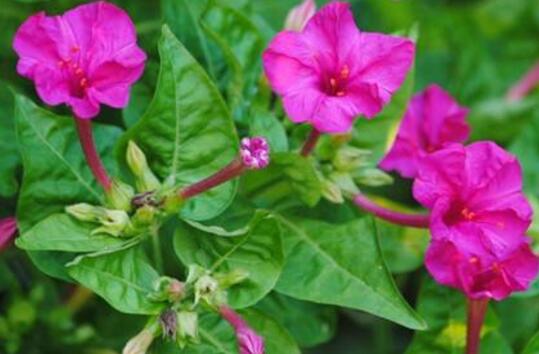
How to grow four o'clock flowers and key points to note: temperature is crucial
As everyone knows, four o'clock flowers (Mirabilis jalapa) have many uses and benefits: their seeds can clear acne and beautify the skin, their roots can clear heat and detoxify, and so on. But to bring these benefits into play, the plant must grow healthily. So how do you grow four o'clock flowers? Let's look at how to grow them and the key points to note.
-
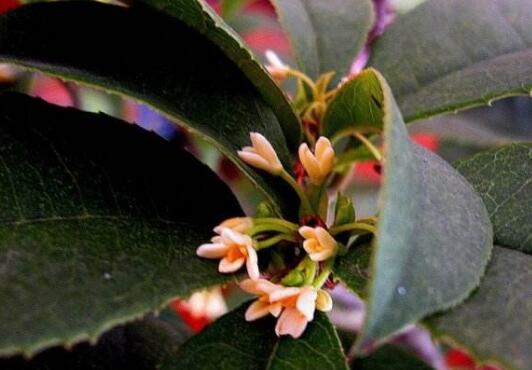
What to do when the leaves of the four-season osmanthus dry up and fall off? Pay attention to these points
Four-season begonia is a fairly common flowering plant in people's lives, with high ornamental value, but if you want it to be ornamental, then the care process requires extra care; if cared for improperly, it is very easy for some adverse effects to appear, such as yellowing leaves, drying up, and so on
-
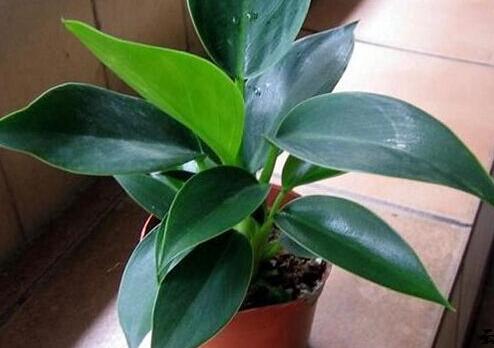
How to prune Philodendron 'Imperial Green'? Four techniques and three key points to ensure a beautiful plant shape
When growing Philodendron 'Imperial Green', besides doing a good job with fertilizing and watering, there is another step that cannot be overlooked, and that is pruning, because Philodendron 'Imperial Green' grows quickly, and if you neglect pruning, it is very easy for leggy growth, densely crossing branches and leaves, and other such phenomena to appear, resulting in a plant shape that is not beautiful enough
-
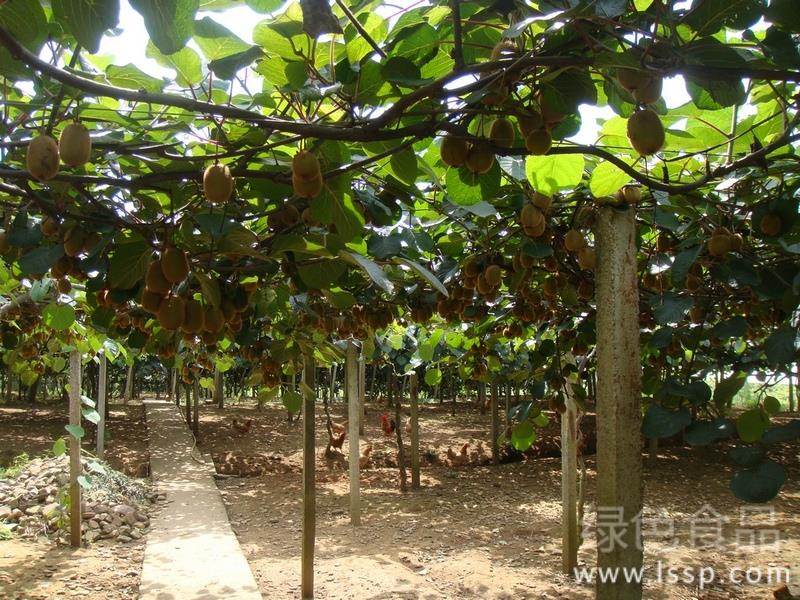
Four key points for summer kiwifruit management: pinching, pollination, fruit thinning, pest control
Pinching and pollination, fruit thinning and pest control: the four key points of summer kiwifruit management
-

Four key points for bonsai care in autumn, anyone who keeps bonsai at home should know
Autumn is an important period for the management of tree-stump bonsai, and soil, fertilizer and light should all be strengthened in a targeted way. Evergreen trees should also be pinched back to prompt the autumn branches to become woody as quickly as possible, creating conditions for overwintering. Conifers and deciduous trees form buds but do not sprout in autumn...
-
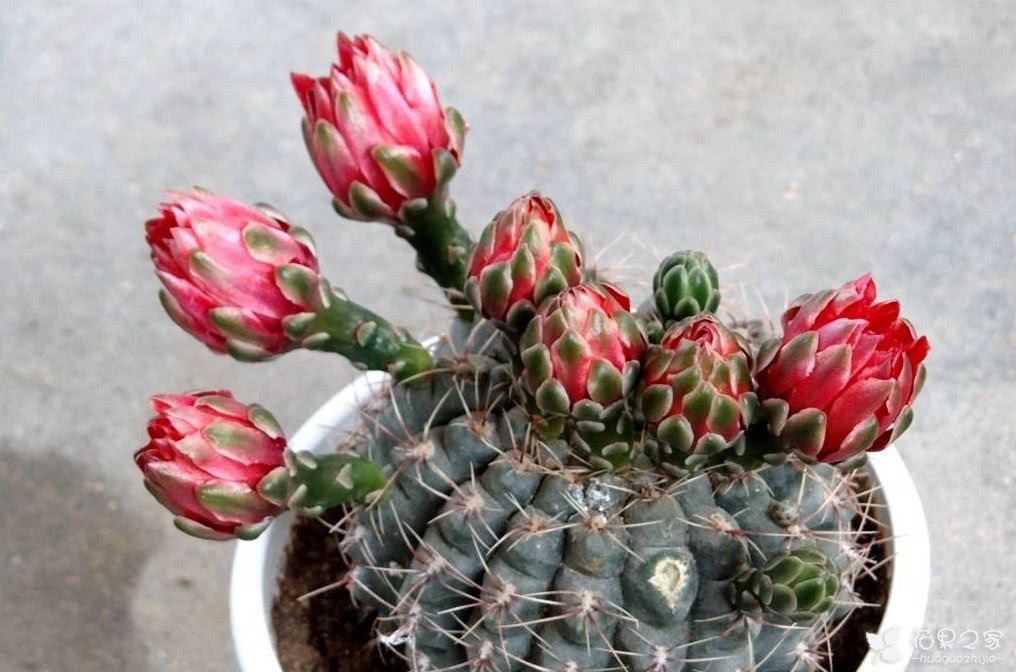
How to grow a cactus (Echinopsis) so it blooms? Master the four key points to encourage flowering
Cacti not only beautify the environment, they can also absorb polluting dust from the air and purify it, which is why so many people love them. The cacti we see at the flower market often have blooms, but the one you grow yourself hasn't flowered in years...
-
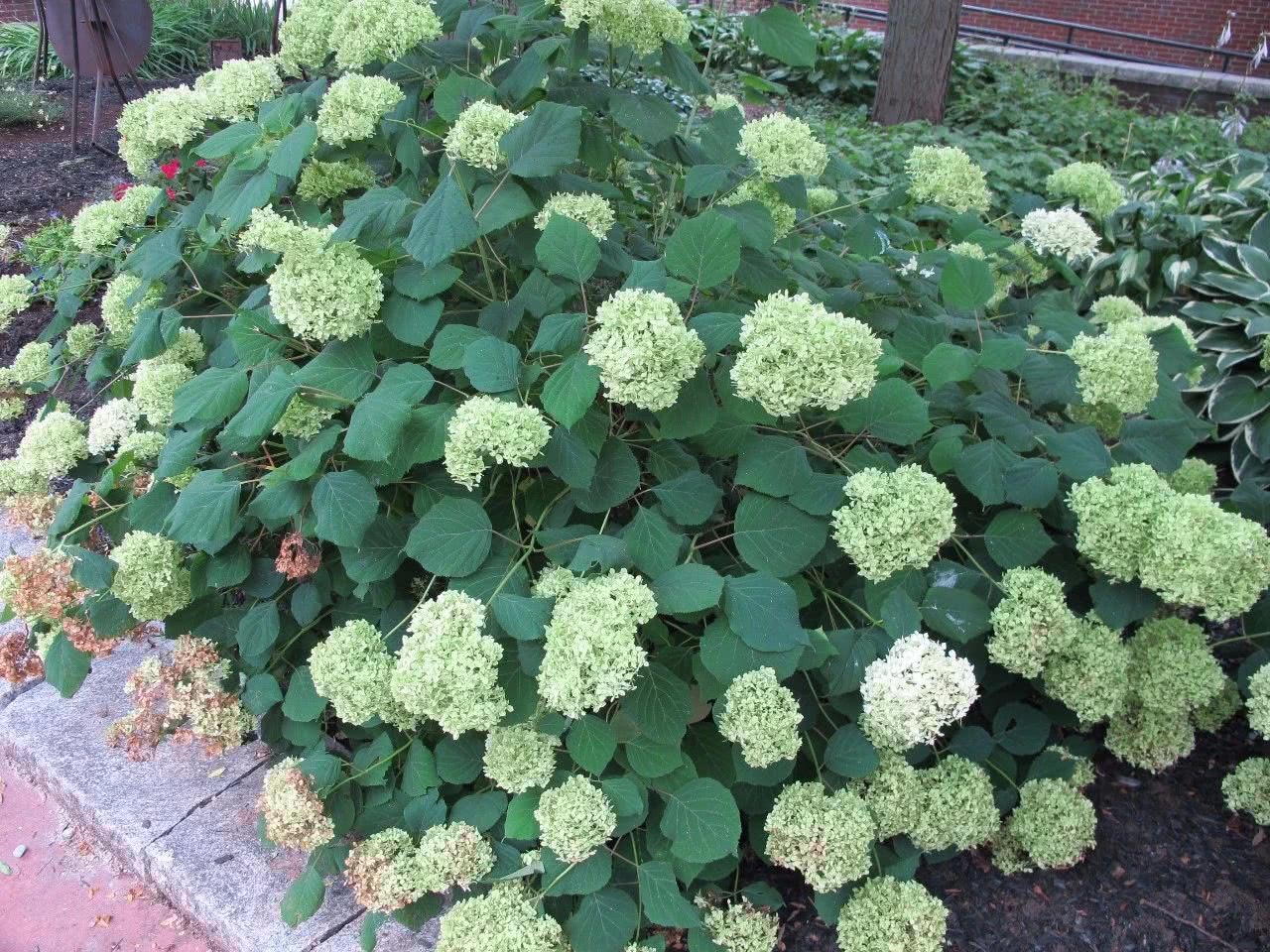
Hydrangeas not blooming after three or four years: it may be these points you have not done well
Summer is the season when hydrangeas bloom most beautifully, but some friends grow hydrangeas in pots and after 3 or 4 years still cannot get them to bloom. What is the reason for this? Hydrangeas can be planted in a shaded spot in the yard; they do not need much light...
-
A detailed guide to four-season spinach cultivation techniques: master the key points for growing year-round
1. Sowing time and varieties. Autumn spinach is the main crop in spinach production, generally sown from August to September, but sowing can also be advanced to July or delayed to early October; after sowing, it can be harvested in batches in 30-40 d (days). Variety selection requirements are not strict, but for early-autumn spinach it is best to choose early-maturing varieties that are more heat-tolerant and fast-growing, such as Litou spinach, Huabo...
-
Remember these four key points for high-yield spring bitter melon cultivation
Bitter melon fruit is rich in vitamin C, higher than tomatoes, and contains a glycoside that gives it a distinctive bitter taste, making it one of the popular health vegetables. Growing spring bitter melon means mild diseases, low costs, high yields, and good returns. The high-yield cultivation techniques for spring bitter melon mainly include the following four key points: select good varieties, raise seedlings at the right time. Spring planting...
-
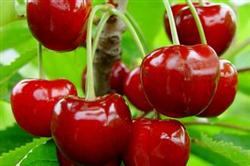
Four Key Points for Sweet Cherry Cultivation
Trial planting before expansion. Sweet cherries prefer warmth and tolerate neither cold, drought, waterlogging, nor strong winds. They are suited to regions with an annual average temperature of 10°C to 15°C. Practice has shown that when the annual average temperature is above 15°C, sweet cherries often produce many flowers but set few fruits. When introducing and developing sweet cherries, one should not only consider the local annual average temperature, ...
条件筛选