Succulent Root Pruning Techniques and Four Key Points for Care and Management
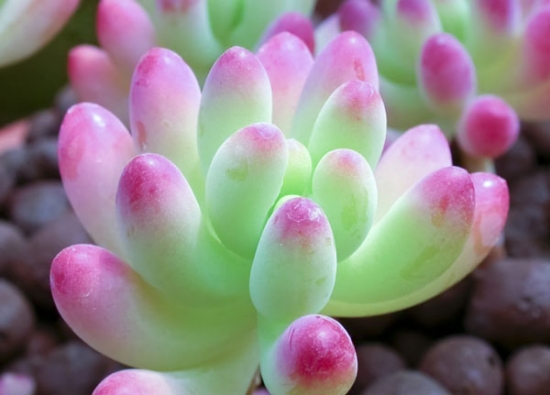
Succulent Care and Management
1. Preliminary Preparation
Before planting, please prepare the following first: leaf mold (peat soil), small crushed stones (for decorating the pot surface and keeping it clean), coal briquettes (granular soil, etc.).
Crush the coal briquettes, remove overly large chunks, sift out the fine powder, rinse away the fine powder with water, dry them in the sun, and then mix them with leaf mold (peat soil) for use, keeping the mix loose and breathable.
2. Planting
The key word for potting——“dry”
It is best that newly purchased succulents come without soil, which has several advantages: you can observe whether the roots are good or bad; prevent soil-borne pests and diseases from being introduced; provide your own growing medium; and it is convenient for transport, etc. It is best not to buy elaborate potted finished ornamental succulents, because not all planting media are correct, the pots are too expensive and inconvenient, and the plants are generally not in good condition either. Also do not let the shop owner pot them for you before taking them home, because the damaged roots of plants potted this way have not been dried, and planting them directly, combined with the jolting of transport, makes them very easy to rot and die.
After buying bare-root succulents, trim the roots (there are many opinions on this process; beginners should just trim a few diseased and weak roots), then place them in a cool, shady spot to dry (this process is extremely important; after several days, wounds on the plant surface and roots that cannot be seen with the naked eye will gradually heal), take out the prepared pot, soil, and small gardening trowel, plant them well, press gently to firm, spread a layer of crushed stones on the surface, and water or soak them (some people say do not rush to water; in fact, as long as they have dried well, watering immediately to encourage root growth is no problem. If you are not reassured, let them sit for several days before watering), and place them for one or two weeks, during which just do not let the sun dehydrate them; weak sunlight can help the plants recover to their natural state faster, and once they have taken root, place them in sunlight for normal care.
3. Key Word for Care——“sun”
There are many things to pay attention to in care, but the most important thing is that they must be able to get sunlight; healthy “succulents” are all grown by sun exposure. The most common reason beginners kill succulents is by placing them beside a computer in a dim study, giving it the fine-sounding excuse of “absorbing radiation,” but for succulents, ventilation is very important; it does not matter much if the succulents are a bit hungry, thirsty, hot, or cold, but the most important thing is that they must get sunlight.
4. Repotting
Opinions differ about repotting. Many people suggest repotting once every one or two years, because it renews the soil, trims the roots, and promotes growth, etc. Others believe you cannot repot too frequently, also because of the roots; they believe that each root trimming causes the plant to “suffer a great loss of vitality.”