How to Grow Dandelions for High Yield? Detailed Explanation of Four Key Growing Points
Dandelion, also known as pugongcao and other names, is a plant used both as medicine and food, and because it has the effects of clearing heat, detoxifying, reducing swelling and dispersing nodules, it is loved by many people. This has also attracted many people to cultivate it artificially, but some growers do not achieve high dandelion yields. So let me introduce the four key points for high-yield dandelion cultivation:
I. Key Point One: Harvesting Seeds
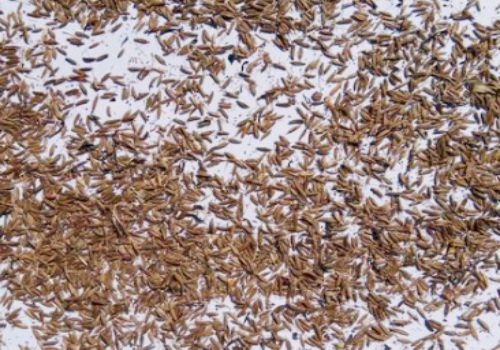
Dandelion generally flowers and sets seed in its second year. Wild plants flower from May to June, growing both as single plants and in colonies. The older the dandelion, the more flowers it produces, with a maximum of more than 20 flowers. After flowering, the seed maturation period is short, generally 13-15 days for the seeds to mature. Whether the seeds are mature is mainly judged by the flower head's outer husk changing from green to yellow, and the seeds in each flower head changing from white to brown; this is the seed maturation stage, and they can then be harvested. Once mature, the seeds quickly disperse with the wind along with the pappus, so you can harvest them just before the flower head splits open; this is the key to successful seed harvesting. After picking the flower heads, place them indoors to after-ripen for 1 day. Wait until the flower heads have fully opened, then dry them in the shade for 1-2 days. When the seeds are half-dry, rub off the downy tuft at the tip of the seeds with your hands, then dry the seeds in the sun. The thousand-seed weight of the large-leaf type dandelion is 2 grams, and that of the small-leaf variety is 1-1.2 grams.
II. Key Point Two: Land Preparation and Bed Making
Dandelion has strong adaptability, tolerating both drought and alkalinity, and prefers loose, fertile sandy loam with good drainage. When fertilizing, apply organic fertilizer per hectare, preferably horse manure, 30000-45000 kg, mixed with 225-300 kg of superphosphate, spread evenly over the ground, then deep plow 20 cm. After the ground is leveled and raked fine, make sowing beds 100 cm wide * 15 cm high * 10 m long, or make small ridges 30 cm high * 30 cm base width * 20 cm shoulder width.
III. Key Point Three: Sowing and Root Burying
Open small furrows 1 cm deep * 5 cm wide crosswise, sow the seeds evenly into the furrows, cover with fine soil and press with a wooden roller, with a row spacing of 15 cm. Along the ridges, open small furrows 1 cm deep * 5 cm wide; after sowing, cover with fine soil and press with a wooden roller. To bring the crop to market earlier and increase income, digging roots in the wild and burying them in a greenhouse for planting can achieve twice the result with half the effort. When in mid-to-late October the dandelion is hit by frost for the first time and the leaf color changes from green to red, promptly dig up dandelion roots in the wild, whole roots are best. Plant the roots at a row spacing of 15 cm * plant spacing of 5 cm, burying them to the original root surface position, so that the root top is at the ground surface, appearing as if exposed but not exposed, and press firm with your hand. Keep the greenhouse temperature at around 20°C, and the dandelion will grow normally. If you want dandelions to reach the market during the peak demand season, control the greenhouse temperature so that plant growth is restricted, and satisfactory results can be achieved.
In addition, to promote earlier emergence after sowing, warm water seed soaking can be used to accelerate germination. That is, place the seeds in 50-55°C warm water and stir until the water cools, then soak for another 8 hours and remove. Wrap the seeds in a wet cloth and place them in a spot at around 25°C, covering them with a wet cloth on top. Water once each morning and evening with 50°C warm water. After 3-4 days, when the seeds begin to sprout, they can be sown. The sowing rate per hectare is 11.25 kg.
IV. Key Point Four: Field Management
Half a month after dandelion emergence, carry out 1 loosening of the soil and weeding. For bed sowing, use a small pointed hoe to cultivate between the seedlings; for ridge sowing, use a pickaxe to cultivate in the furrows. After that, carry out 1 loosening and intertillage every 10 days. After the rows close, continue manual weeding. Dandelion plants have large leaves above ground, so management must fully consider that the plants need a certain amount of space to grow. Do not overcrowd or cling to too many seedlings, as this affects growth. Generally, 10 days after emergence, the seedlings can be thinned to a final stand, with a plant and row spacing of 5—10 cm. During the dandelion growing period, water frequently to keep the soil moist. After emergence, dandelions need a large amount of water, so maintaining moist soil is the key to dandelion growth.
Summary: The above is the related introduction to the four key points for high-yield dandelion cultivation. When planting, you can refer to the above four key points for cultivation. I hope it is helpful to friends in need!
How to Achieve High Yield in Dandelion Cultivation? High-Yield Cultivation Techniques for Dandelion
[Common Questions]How to achieve high yield in dandelion cultivation?
[Expert Answer]Dandelion is a perennial herbaceous plant of the Asteraceae family, rich in various healthy nutritional components such as taraxerol, taraxacin, choline, organic acids, and inulin, and has extremely high medicinal value. In recent years, it has become quite popular in the market. In order to improve the economic benefits of dandelion cultivation, achieving high-yield dandelion cultivation is particularly important. The high-yield cultivation techniques for dandelion are introduced as follows:
Image: Dandelion cultivation
I. Harvesting Seeds
Dandelion generally flowers and sets seed in its second year. Wild plants flower from May to June, growing both as single plants and in colonies. The older the dandelion, the more flowers it produces, with a maximum of more than 20 flowers. After flowering, the seed maturation period is short, generally 13—15 days for the seeds to mature. Whether the seeds are mature is mainly judged by the flower head's outer husk changing from green to yellow, and the seeds in each flower head changing from white to brown; this is the seed maturation stage, and they can then be harvested. Once mature, the seeds quickly disperse with the wind along with the pappus, so you can harvest them just before the flower head splits open; this is the key to successful seed harvesting.
After picking the flower heads, place them indoors to after-ripen for 1 day. Wait until the flower heads have fully opened, then dry them in the shade for 1-2 days. When the seeds are half-dry, rub off the downy tuft at the tip of the seeds with your hands, then dry the seeds in the sun. The thousand-seed weight of the large-leaf type dandelion is 2 grams, and that of the small-leaf variety is 1—1.2 grams.
II. Land Preparation and Bed Making
1. Site selection:Dandelion has strong adaptability, tolerating both drought and alkalinity, and prefers loose, fertile sandy loam with good drainage.
2. Fertilization:Apply organic fertilizer per hectare, preferably horse manure, 30000-45000 kg, mixed with 225-300 kg of superphosphate, spread evenly over the ground, then deep plow 20 cm.
3. Making beds and ridges:After the ground is leveled and raked fine, make sowing beds 100 cm wide, 15 cm high, and 10 m long, or make small ridges 30 cm high, 30 cm base width, and 20 cm shoulder width.
III. Sowing and Root Burying
1. Bed sowing:Open small furrows 1 cm deep and 5 cm wide crosswise, sow the seeds evenly into the furrows, cover with fine soil, and press with a wooden roller, with a row spacing of 15 cm.
2. Ridge sowing:Along the ridges, open small furrows 1 cm deep and 5 cm wide. After sowing, cover with fine soil and press with a wooden roller.
3. Root burying and planting:In order to bring the crop to market earlier and increase income, digging roots in the wild and burying them in a greenhouse for planting can achieve twice the result with half the effort. When in late autumn (mid-to-late October) the dandelion is hit by frost for the first time and the leaf color changes from green to red, promptly dig up dandelion roots in the wild; whole roots are best. Make beds in the greenhouse with the specifications described above. Plant the roots at a row spacing of 15 cm and plant spacing of 5 cm, burying them to the original root surface position, so that the root top is at the ground surface, appearing as if exposed but not exposed, and press firm with your hand. Keep the greenhouse temperature at around 20°C, and the dandelion will grow normally. If you want dandelions to reach the market during the peak demand season, control the greenhouse temperature so that plant growth is restricted, and satisfactory results can be achieved.
4. Promoting germination and seedlings:In order to promote earlier emergence after sowing, warm water seed soaking can be used to accelerate germination. That is, place the seeds in 50-55°C warm water, stir until the water cools, then soak for another 8 hours, remove, wrap the seeds in a wet cloth, and place them in a spot at around 25°C. Cover with a wet cloth on top, and water once each morning and evening with 50°C warm water. After 3—4 days, when the seeds begin to sprout, they can be sown. The sowing rate per hectare is 11.25 kg.
Image: Dandelion cultivation
IV. Field Management
1. Loosening soil and weeding:Half a month after dandelion emergence, carry out 1 loosening of the soil and weeding. For bed sowing, use a small pointed hoe to cultivate between the seedlings; for ridge sowing, use a pickaxe to cultivate in the furrows. After that, carry out 1 loosening and intertillage every 10 days. After the rows close, continue manual weeding.
2. Thinning to final stand:Dandelion plants have large leaves above ground, so management must fully consider that the plants need a certain amount of space to grow. Do not overcrowd or cling to too many seedlings, as this affects growth. Generally, 10 days after emergence, the seedlings can be thinned to a final stand, with a plant and row spacing of 5—10 cm.
3. Watering and fertilizing:During the dandelion growing period, water frequently to keep the soil moist. After emergence, dandelions need a large amount of water, so maintaining moist soil is the key to dandelion growth.
V. Harvesting
Dandelions sown in the same year cannot be harvested. After winter begins, spread organic fertilizer on the beds (ridges) at 2000 kg per 667 sq m, preferably decomposed horse manure. In this way, it both fertilizes and protects the roots for safe overwintering. Chemical fertilizer is not recommended; although applying chemical fertilizer makes young plants and leaves dark and shoot up rapidly, it loses the essence of a green plant and also loses the wild flavor style of dandelion. Generally, the yield per hectare can be 9000—10500 kg.
[Editor's Conclusion]In order to meet growing market demand and improve economic benefits, achieving high-yield dandelion cultivation is very important. The above has introduced the high-yield cultivation techniques for dandelion, and I hope it can be helpful to everyone!
How to Grow Dandelions? Dandelion Cultivation Techniques
Dandelion is a very beautiful plant and also has extremely high medicinal value. So how do you grow dandelions? Below is an introduction to dandelion cultivation techniques.
I. Harvesting Seeds
Dandelion generally flowers and sets seed in its second year. Wild plants flower from May to June, growing both as single plants and in colonies. The older the dandelion, the more flowers it produces, with a maximum of more than 20 flowers. After flowering, the seed maturation period is short, generally 13-15 days for the seeds to mature. Whether the seeds are mature is mainly judged by the flower head's outer husk changing from green to yellow, and the seeds in each flower head changing from white to brown; this is the seed maturation stage, and they can then be harvested. Once mature, the seeds quickly disperse with the wind along with the pappus, so you can harvest them just before the flower head splits open; this is the key to successful seed harvesting.
After picking the flower heads, place them indoors to after-ripen for 1 day. Wait until the flower heads have fully opened, then dry them in the shade for 1-2 days. When the seeds are half-dry, rub off the downy tuft at the tip of the seeds with your hands, then dry the seeds in the sun. The thousand-seed weight of the large-leaf type dandelion is 2 grams, and that of the small-leaf variety is 1-1.2 grams.
II. Land Preparation and Bed Making
1. Site selection: Dandelion has strong adaptability, tolerating both drought and alkalinity, and prefers loose, fertile sandy loam with good drainage.
2. Fertilization: Apply organic fertilizer per hectare, preferably horse manure, 30000-45000 kg, mixed with 225-300 kg of superphosphate, spread evenly over the ground, then deep plow 20 cm.
3. Making beds and ridges: After the ground is leveled and raked fine, make sowing beds 100 cm wide, 15 cm high, and 10 m long, or make small ridges 30 cm high, 30 cm base width, and 20 cm shoulder width.
III. Sowing and Root Burying
1. Bed sowing: Open small furrows 1 cm deep and 5 cm wide crosswise, sow the seeds evenly into the furrows, cover with fine soil, and press with a wooden roller, with a row spacing of 15 cm.
2. Ridge sowing: Along the ridges, open small furrows 1 cm deep and 5 cm wide. After sowing, cover with fine soil and press with a wooden roller.
3. Root burying and planting: In order to bring the crop to market earlier and increase income, digging roots in the wild and burying them in a greenhouse for planting can achieve twice the result with half the effort. When in late autumn (mid-to-late October) the dandelion is hit by frost for the first time and the leaf color changes from green to red, promptly dig up dandelion roots in the wild; whole roots are best. Make beds in the greenhouse with the specifications described above. Plant the roots at a row spacing of 15 cm and plant spacing of 5 cm, burying them to the original root surface position, so that the root top is at the ground surface, appearing as if exposed but not exposed, and press firm with your hand. Keep the greenhouse temperature at around 20°C, and the dandelion will grow normally. If you want dandelions to reach the market during the peak demand season, control the greenhouse temperature so that plant growth is restricted, and satisfactory results can be achieved.
4. Promoting germination and seedlings: In order to promote earlier emergence after sowing, warm water seed soaking can be used to accelerate germination. That is, place the seeds in 50-55°C warm water, stir until the water cools, then soak for another 8 hours, remove, wrap the seeds in a wet cloth, and place them in a spot at around 25°C. Cover with a wet cloth on top, and water once each morning and evening with 50°C warm water. After 3-4 days, when the seeds begin to sprout, they can be sown. The sowing rate per hectare is 11.25 kg.
IV. Field Management
1. Loosening soil and weeding: Half a month after dandelion emergence, carry out 1 loosening of the soil and weeding. For bed sowing, use a small pointed hoe to cultivate between the seedlings; for ridge sowing, use a pickaxe to cultivate in the furrows. After that, carry out 1 loosening and intertillage every 10 days. After the rows close, continue manual weeding.
2. Thinning to final stand: Dandelion plants have large leaves above ground, so management must fully consider that the plants need a certain amount of space to grow. Do not overcrowd or cling to too many seedlings, as this affects growth. Generally, 10 days after emergence, the seedlings can be thinned to a final stand, with a plant and row spacing of 5-10 cm.
3. Watering and fertilizing: During the dandelion growing period, water frequently to keep the soil moist. After emergence, dandelions need a large amount of water, so maintaining moist soil is the key to dandelion growth.
V. Harvesting
Dandelions sown in the same year cannot be harvested. After winter begins, spread organic fertilizer on the beds (ridges) at 2000 kg per 667 sq m, preferably decomposed horse manure. In this way, it both fertilizes and protects the roots for safe overwintering. Chemical fertilizer is not recommended; although applying chemical fertilizer makes young plants and leaves dark and shoot up rapidly, it loses the essence of a green plant and also loses the wild flavor style of dandelion. Generally, the yield per hectare can be 9000-10500 kg.
The above is an introduction to dandelion cultivation techniques. Friends who grow dandelions can refer to the above cultivation methods and, in combination with actual growing conditions, cultivate them reasonably.