-
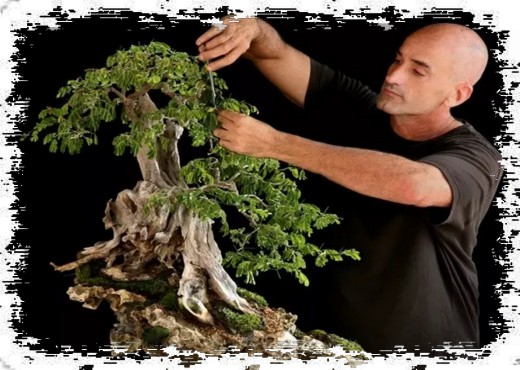
How to create bonsai with a profound artistic conception
Bonsai, like poetry, painting and garden art, originates from nature and from life; they simply take different forms of expression. They interpenetrate and learn from one another. Poetry and painting often draw their subjects from gardens and bonsai, while the creation of gardens and bonsai emphasizes being rich in poetic and pictorial charm. Therefore
-
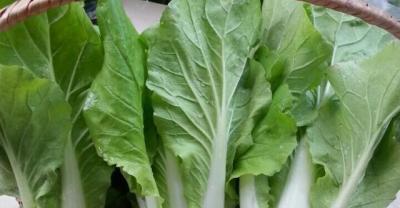
The love bean is planted deep in my heart, carrying profound longing
Some memories cannot be erased, and there is a kind of love deeply rooted in the depths of our hearts... I remember that after the Spring Festival three years ago, the children who worked and studied away from home...
-
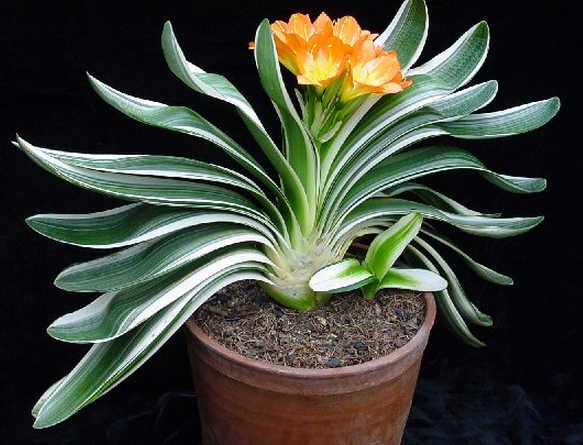
Grow Clivias Well by Building a Strong Foundation: Seedling Cultivation Methods for Clivias
When doing anything, you should lay a solid foundation, and the same goes for growing flowers. Take the clivia as an example: if you want it to bloom and look beautiful, you must put in some effort, and you should start cultivating it properly from the seedling stage.
-

Fine Management Techniques for Cotton at the Seedling Stage to Build a Solid Foundation for High Yield
Cotton seedling-stage management is crucial, as it directly determines whether the cotton can build a good framework for high yield and whether the reasonable transition from vegetative growth to reproductive growth can be properly adjusted. The principles of seedling-stage management are: first ensure a full stand, and on this basis cultivate strong seedlings and promote early seedling development. The key points of seedling-stage management are: check the seedlings promptly after sowing, and if rotten sprouts or rotten seeds are found, reseed in time. Thinning and final thinning: thinning can be done in two rounds. The first is after the seedlings emerge evenly, keeping strong seedlings and pulling out weak and diseased ones. The second is at the 1-2 true leaf stage, and final thinning is at the three-leaf stage, when the base of the stem has already become lignified and its ability to resist adverse environments has increased. Intertillage: through intertillage, soil temperature can be raised, water evaporation reduced, root growth promoted, strong seedlings cultivated, and early development encouraged. At the seedling stage, intertillage is generally carried out 3 times. The first is at the cotyledon stage, together with thinning. Early intertillage can raise the soil temperature around the seedling roots, promote early root development and increase absorptive capacity, so that true leaves emerge earlier and seedling stress resistance is enhanced. It can also break up soil compaction and help preserve soil moisture. The depth of this intertillage is 4-5 cm. At this time it is already June, the temperature is rising, the root system is already relatively strong, and aboveground growth is accelerating. Deep intertillage can disperse surface soil moisture, promote roots to go deeper, and control internode length, which is even more important in relatively fertile cotton fields. Fertilization: growth at the seedling stage is relatively slow, and topdressing should be based on seedling condition, applied early, lightly, or not at all. Irrigation and drainage: in single-crop cotton fields in northern cotton regions, if enough pre-sowing moisture irrigation has been applied, do not water at the seedling stage; do a good job of intertillage and moisture conservation. If watering is truly needed, then water lightly with a small amount, irrigating every other furrow, and after watering carry out intertillage to conserve moisture, improve aeration, and raise soil temperature. At the seedling stage, the suitable field capacity of the soil is 55%-70%. Disease and pest control: the main diseases and pests of cotton at this stage are cotton Fusarium and Verticillium wilt, cotton aphids, cotton bugs, cotton bollworms, cotton red spiders, and so on.
-
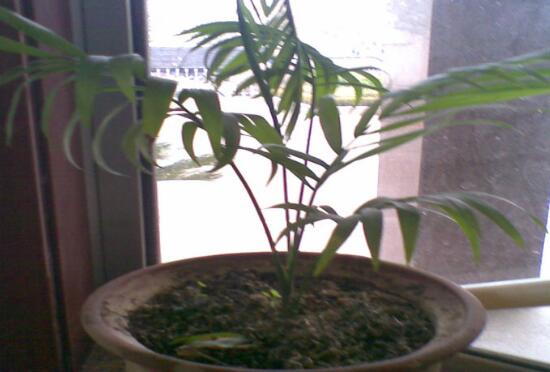
What to do when Podocarpus macrophyllus root rot occurs? Stop watering, remove from pot and change soil, and spray pesticide if pests or diseases are found.
Neither bamboo nor cypress, yet called bamboo-podocarpus, this is a beautiful foliage plant. It has an elegant form and verdant branches and leaves, and is highly ornamental when kept at home. However, during cultivation, due to improper care, Podocarpus macrophyllus often shows symptoms of root rot. So what should be done when Podocarpus macrophyllus root rot occurs?
-
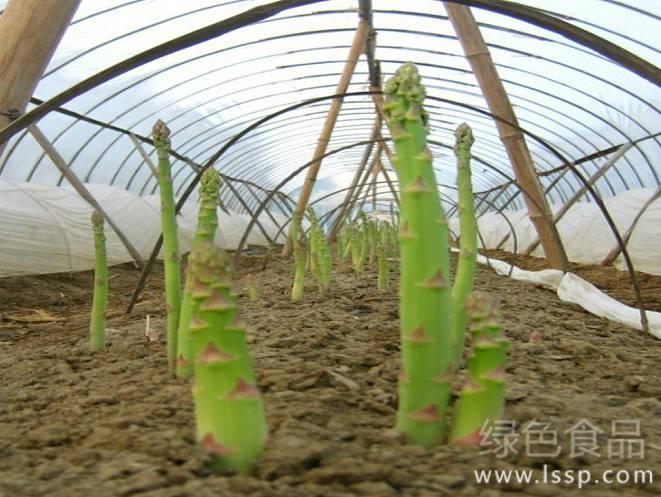
Winter field management techniques for asparagus to lay a solid foundation for high yields
Laying a solid foundation for high yields: winter field management techniques for asparagus
-
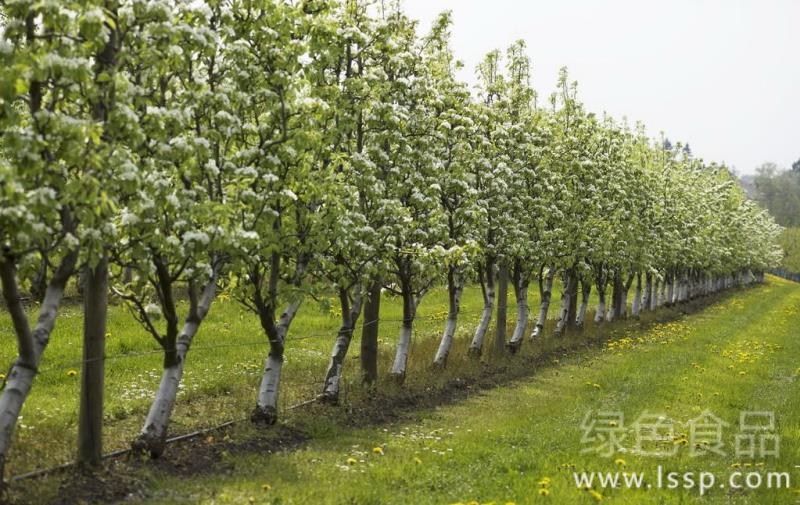
Pruning techniques for pear trees during dormancy to lay a foundation for high yields
Pruning techniques for pear trees during dormancy to lay a foundation for high yields
-
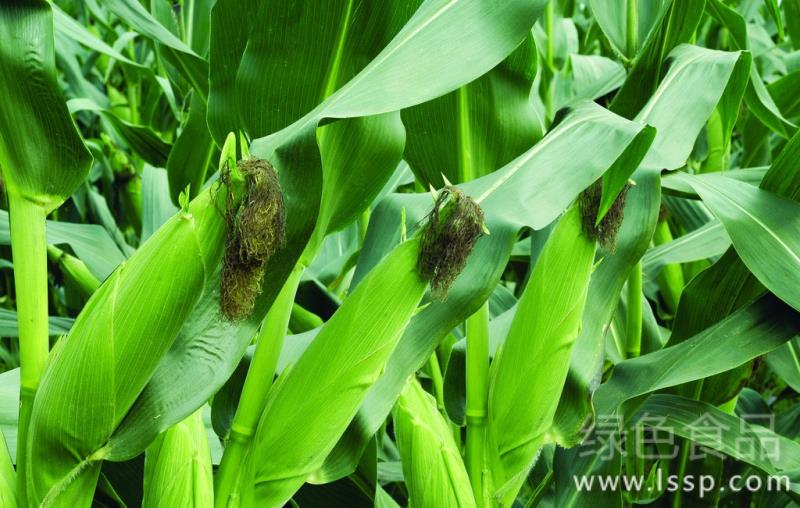
Four Measures for Spring Fresh-Eating Corn to Lay the Foundation for Economic Returns
The "Four Measures" lay the foundation for the economic returns of spring fresh-eating corn
-
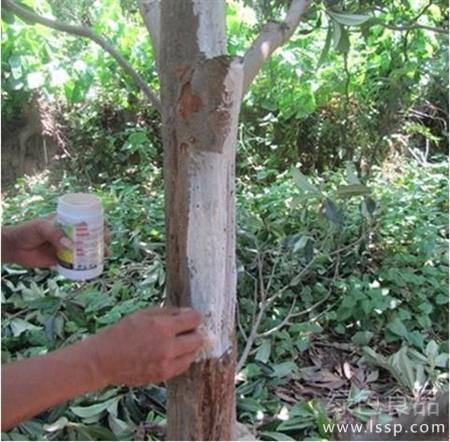
Key management points for loquat after fruit harvest to lay a solid foundation for a bumper crop next year
Key management points for loquat after fruit harvest to lay the foundation for a bumper crop next year
-
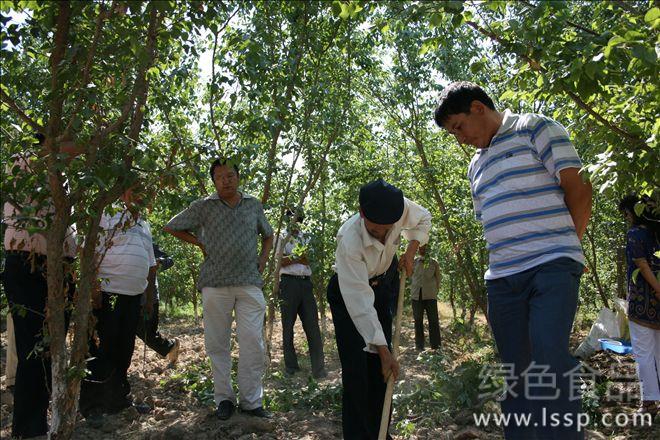
How to manage apricot trees after harvest? Master the key points to lay a good foundation for next year
Post-harvest management lays the foundation for next year: key points for managing apricot trees after harvest
条件筛选