Key management points for loquat after fruit harvest to lay a solid foundation for a bumper crop next year
This period coincides with the end of the loquat harvest. After loquat fruit harvest, the tree's nutrient reserves are heavily depleted and its resistance is poor, which affects the sprouting and growth of summer shoots. Cultivation management of loquat should be carried out promptly to help restore tree vigor and promote flower bud differentiation, laying the foundation for high-quality, high-yield loquat production the following year.
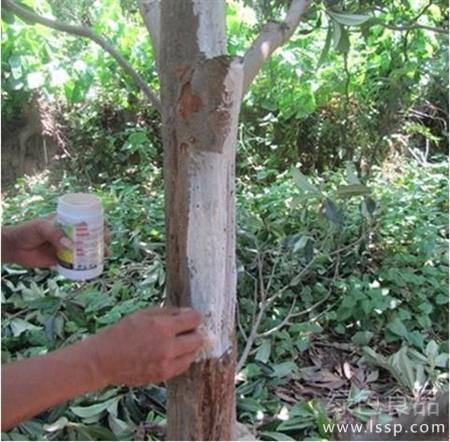
Post-harvest management of loquat
1. Apply heavy post-harvest fertilizer.Summer shoots are the main fruiting mother branches of loquat, and the quantity and quality of summer shoots directly affect the yield of loquat the following year. Summer shoots generally emerge in May-June, when the loquat tree urgently needs to restore its vigor after "giving birth," and the emergence of summer shoots and flower bud differentiation consume large amounts of nutrients, so heavy fertilization is required. It is generally applied 10-20 days after loquat fruit harvest, combining organic fertilizer with quick-acting fertilizer, with the application amount accounting for 50% of the annual total. The application rate should be determined according to the tree age, fruit load and vigor of the loquat tree. Taking a 15-year-old loquat tree with a per-tree yield of 15 kg as an example, the per-tree application rate is 30-50 kg of human manure and urine, 0.5 kg of urea, 0.5 kg of potash fertilizer, 1 kg of superphosphate and 4-5 kg of cake fertilizer, applied by the trench method, digging trenches 20-30 cm deep at the drip line of the canopy for deep application, and irrigating once with water after fertilization where conditions permit.
2. Timely foliar topdressing.The emergence of summer shoots causes another round of nutrient depletion in the loquat tree, resulting in "collapse," and foliar topdressing is needed to address this "collapse." A 0.3-0.5% urea solution or 10% human urine can be sprayed, or a 0.3% potassium dihydrogen phosphate solution, 0.2% potassium sulfate solution, 0.3-0.5% superphosphate extract or 10% plant ash extract can be sprayed to supplement the loquat tree's nutrition and restore its vigor.
3. Prune and thin buds early.After loquat fruit harvest, carry out comprehensive pruning promptly, generally completed within half a month after harvest. The main tasks are to cut off diseased and pest-infested branches, dead branches, overlapping branches and fruit stubs, to retract and shorten weak, aging branches and water sprouts, and to thin out excessively dense and slender weak branches inside the canopy, reducing nutrient consumption and improving light conditions. After summer shoots emerge, thin the buds promptly; for example, if 3-4 summer shoots emerge from the cut end of a fruit cluster, one bud should be removed, leaving 2-3 healthy buds to develop into summer shoots.
4. Ensure proper drainage and irrigation.During drought, insufficient water supply to the tree can affect the sprouting and growth of loquat summer shoots; drought can be countered by furrow irrigation, watering, mulching with straw and other methods. Summers are rainy, and orchards are prone to waterlogging, so drainage ditches should be cleared promptly to prevent water accumulation.
5. Intertillage and weeding.During loquat harvesting, human or mechanical trampling causes soil compaction, which is unfavorable for root growth, and the plum rain season that follows readily breeds weeds. Therefore, after fruit harvest, herbicides such as glyphosate can be used to control weeds in the loquat orchard, and intertillage and soil loosening should be carried out promptly, with an intertillage depth of 10-15 cm being appropriate, turning weeds and compost into the soil to improve soil fertility.
6. Strengthen pest and disease control.From after loquat fruit harvest to the period of tender shoot emergence, the tree is weak and has poor resistance, making it susceptible to pests and diseases. Common diseases include leaf spot, anthracnose and branch rot. Control methods: First, strengthen management and apply more organic fertilizer to promote robust growth of the loquat tree and improve disease resistance. Second, clear away diseased leaves to reduce the base of pathogenic bacteria. Third, chemical control. In the early stage of disease onset, spray 70% thiophanate-methyl wettable powder or 70% mancozeb wettable powder at 800-1000 times dilution for control; the main pests include aphids, peach fruit borers, mites, scarab beetles, loquat yellow tussock moths and others, which can be controlled by spraying Lorsban at 1000 times, Decis at 1000 times or 80% dichlorvos at 800-1000 times dilution; loquat orchards with scale insects should use Supracide at 600 times dilution for spray control.